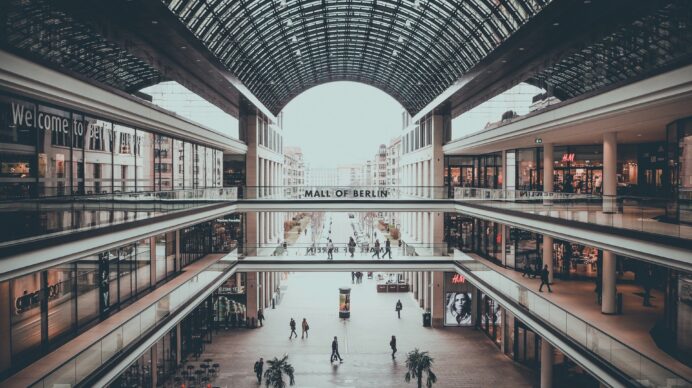
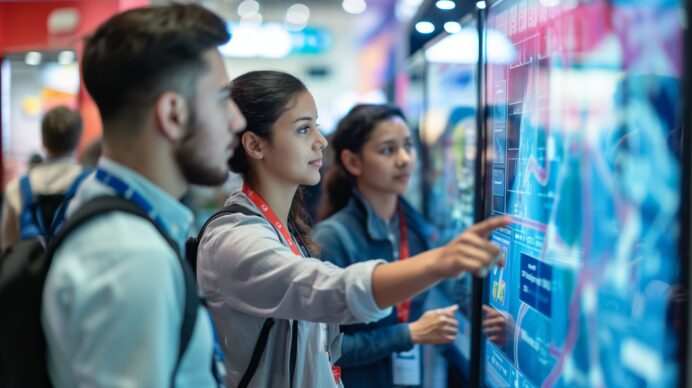
What’s the difference between experiential and event marketing – and what happens when you combine them?
From high-impact event spaces that drive footfall and leads, to immersive activations that create customer curiosity and long-term brand love, we bring both worlds together at Tecna.
It’s not always either/or. It’s about creating bold, unforgettable experiences that deliver in the moment and leave a lasting impression, and ultimately support your overall marketing goals.
In this blog, we’ll explore the differences, how they work together, and how to use the power of both to build stronger brand experiences.
What is event marketing?
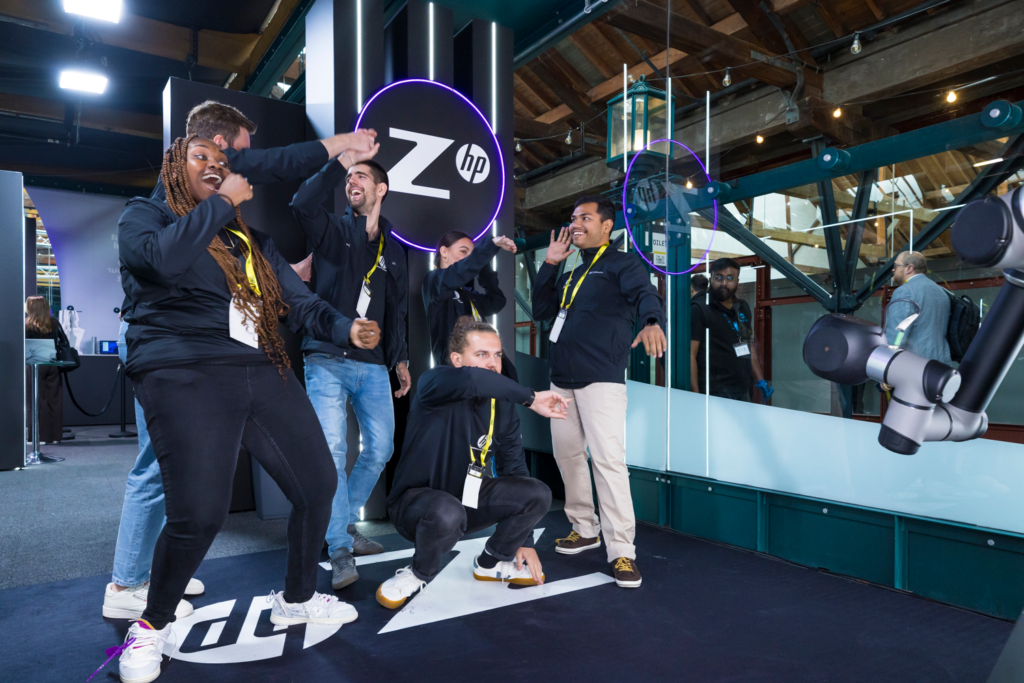
Event marketing is all about visibility. It’s your chance to get face-to-face with your target audience through live, in-person events like trade shows, product launches, conferences or expos.
The goal? To make your presence impossible to ignore. To educate and stand out from the noise of your competition. When it’s done well, event marketing puts your brand front and centre – with a clear message, structured delivery and the kind of presence that turns heads.
But on its own, it’s often more broadcast than an emotional connection. That’s where experiential marketing steps in, turning that one-way moment into something interactive and unforgettable.
What is experiential marketing?
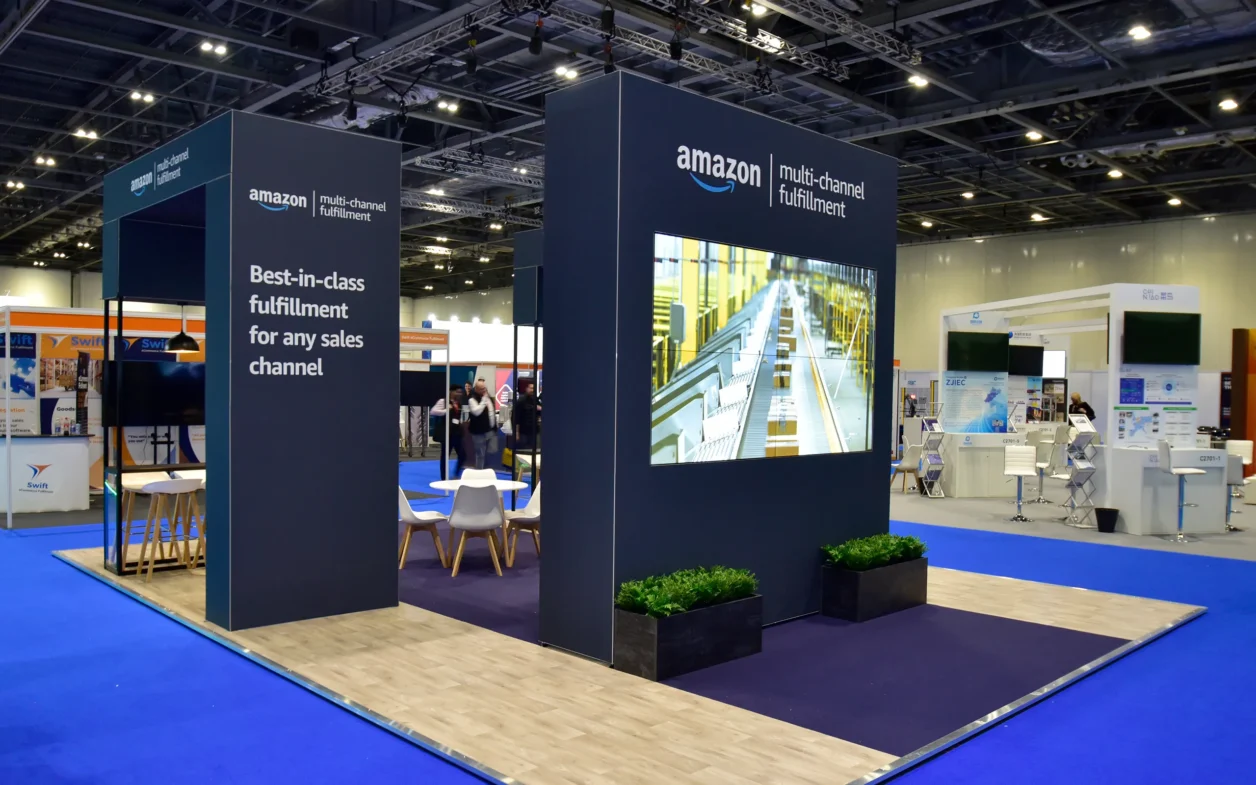
Experiential marketing is about creating a moment your audience steps into – and remembers. It transforms your message into something interactive, emotional and real. Where traditional marketing tells a story, experiential marketing invites people to live it.
Experiential marketing efforts focus on emotional engagement, encouraging your audience to become active participants rather than passive observers. Whether it’s a product trial in-store or an immersive pop-up space, the aim is to create lasting impressions, spark positive brand associations and build genuine customer loyalty.
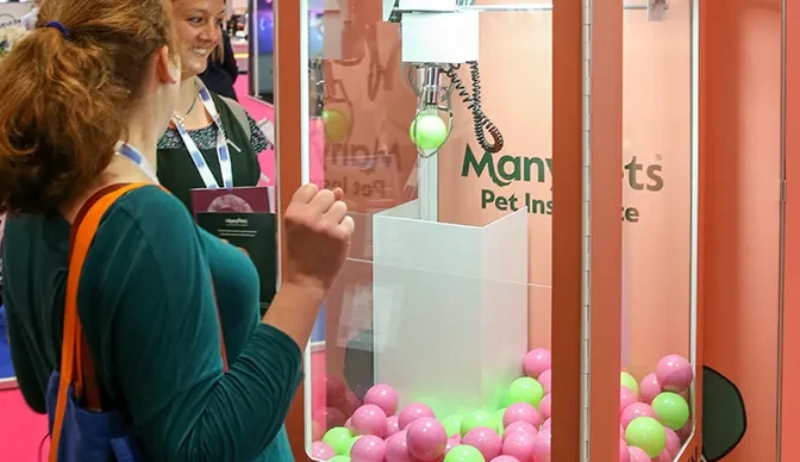
Event marketing vs. experiential marketing: key differences
Event and experiential marketing both put your brand centre stage when done well. So what exactly sets them apart and what are the key differences?
Audience interaction
Event marketing often positions your audience as observers – present, but passive. Experiential marketing flips that dynamic. It transforms attendees into active participants, drawing them into the story and handing them the reins. It’s about creating a space where people don’t just visit. They engage, talk about it and remember afterwards.
Goals
Where event marketing is built for short-term visibility – launching a product, lead generation, raising awareness – experiential campaigns are designed for emotional impact. They build loyalty, generate connections and embed your brand story in people’s memory and leaving a lasting impression.
Tactics
Event marketing tends to follow a set format, occurring at a pre-planned event like a trade show. Experiential marketing, on the other hand, can pop up anywhere, take any shape and catch people off guard in the best way. It’s built to surprise and disrupt, wherever your audience is.
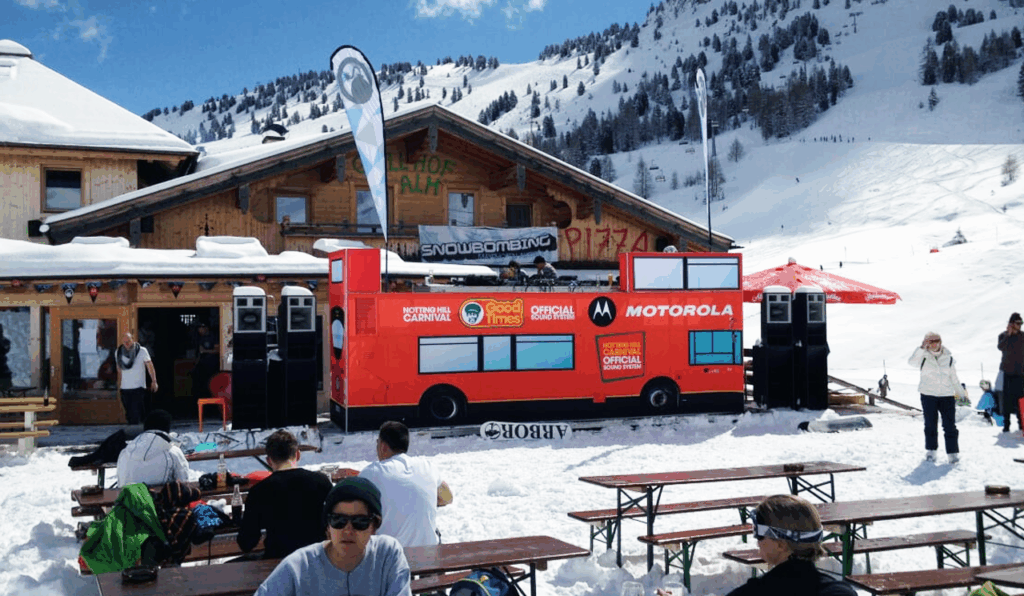
Can event marketing be considered a type of experiential marketing?
When an event becomes hands-on, immersive, or emotionally charged, it shifts into experiential marketing.
We see this blend in action all the time. Brands combining bold experiential activations with traditional events. Exhibition stands that become discovery zones. Learning spaces that invite touch, play and reaction. Events that are designed for customer engagement, not just attendance.
This is modern day marketing. It’s how you spark meaningful connections and drive long-term customer loyalty. And it’s exactly where Tecna thrives – and can support you in your goals.
Using event marketing and experiential marketing together
Event marketing brings the audience. Experiential marketing keeps them there, engaged and ready to connect.
Take sensory experiences – from scent diffusers to immersive lighting and sound – that help bring a brand to life in a way people feel. Or gamified elements like spin-the-wheel, mini golf, cash grabbers and digital scavenger hunts.
Then there are digital activations that take things even further. Some of our favourites to use at events are:
• Glamdroid®, which turns visitors into content creators. This robotic camera arm captures cinematic video clips in seconds, complete with custom branding and instant social sharing. It’s immersive, social, and seriously scroll-stopping, giving your live event another life as an online event.
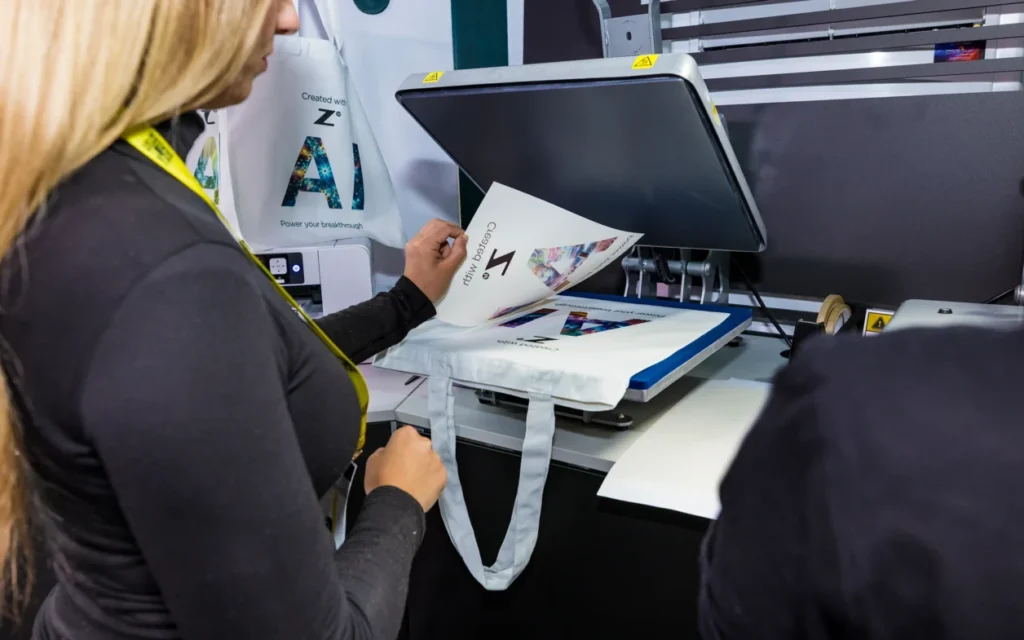
• AI Printing, which transforms branded giveaways into something entirely personal. Visitors can generate AI-designed visuals or customise artwork in real time, printed instantly onto T-shirts, totes, bottles, notepads and more. It’s a hands-on experience that combines creativity and technology, and turns every guest into a walking brand ambassador.
Real-world examples of event marketing
Let’s explore a few event marketing projects where bold design and the right environment came together to make an impact.
Make’s exhibition stand at the AI Summit London
Event marketing works best when the space reflects the spirit of the brand. For Make, that meant creating a vibrant, open environment that encouraged conversation and exploration.
Our team at Tecna delivered a high-impact space with informal high tables, product shelving, and a custom glass counter that showcased their colourful merchandise with style.
Strategic bolt-ons gave their space flexibility and purpose, while reusable graphics extended the value long after the show. Bold, adaptable, and ready for what’s next.

Sigma’s event stand at The Photography Show
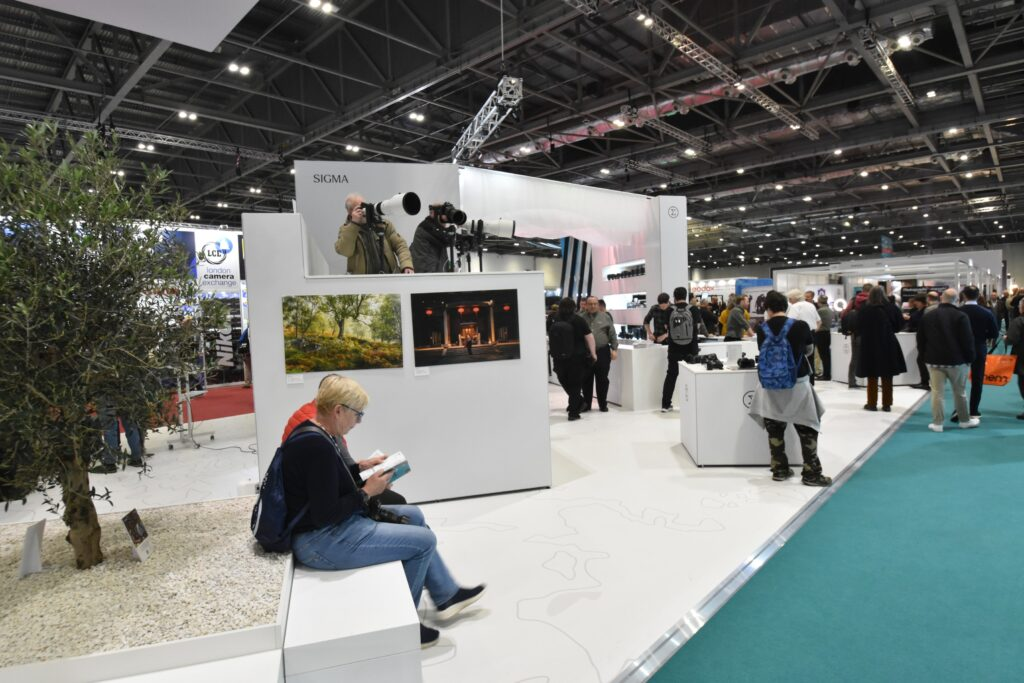
Event marketing can also be an opportunity to reintroduce a brand. For Sigma’s presence at The Photography Show, we helped them launch a new brand chapter – with an exhibition stand that felt more like a curated gallery.
Inspired by Japanese aesthetics, the space featured clean lines, tactile materials, and a dramatic overhead fabric installation lit to draw attention across the hall. From the raised photographer’s platform to the detailed Mt. Fuji floor print, every detail was designed for impact.
Real-world examples of experiential marketing
See how brands turn ideas into real-world moments that grab attention, spark emotion and stick.
HPE’s brand activation at the London AI Summit
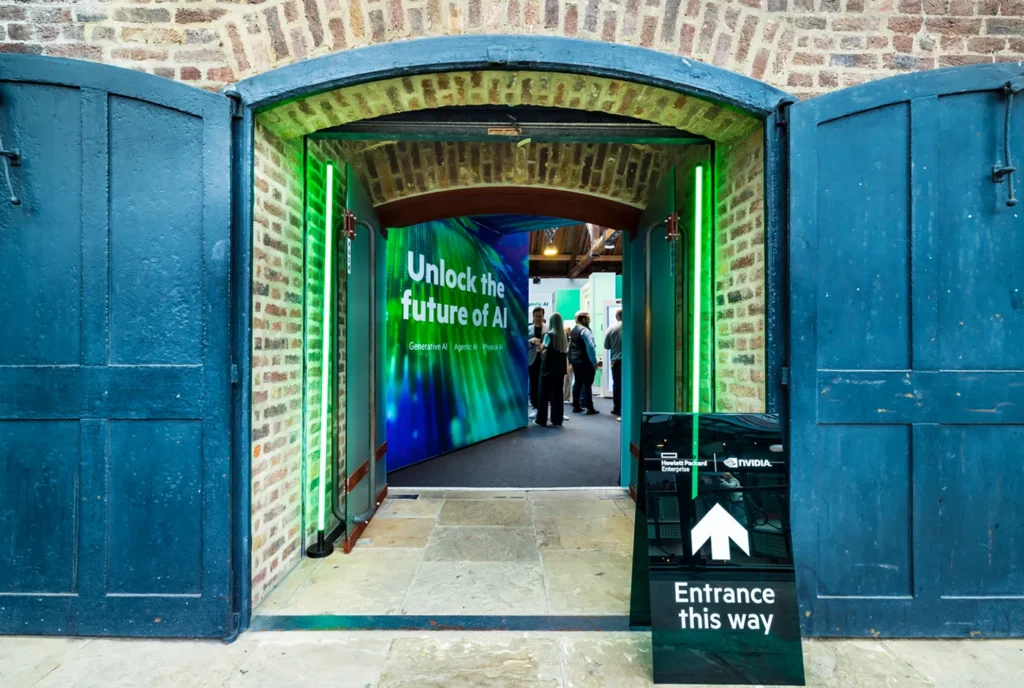
For HPE at the London AI Summit, we created a pavilion that pulled people in from the moment they arrived.
An AI-inspired tunnel sparked curiosity, leading into a series of interactive spaces – from Gen AI avatars and hands-on demos to a digital scavenger hunt. This wasn’t a space for passive browsing. It was built for exploration, discovery and engagement, where visitors became part of the experience.
Butternut Box’s experiential exhibition stand at Crufts
At Crufts, Butternut Box created a series of interactive moments designed to pull visitors into their world. We helped them deliver three stands packed with playful, hands-on activations that invited people to engage, explore and connect emotionally with the brand.
Visitors became part of the experience at the Howl of Fame, where they could print photos of their dogs and add them to a growing display wall. Over at the Bowl of Truth, dogs took centre stage in a live sniff test – comparing fresh Butternut meals with mystery fillers often listed in dog foods. And at the bandana station, guests received custom-printed accessories featuring their dog’s name, produced on the spot.
Experiential Marketing Example – Butternut Box at Crufts
How to measure success in experiential and event marketing campaigns
Measuring success starts with understanding what you’re trying to achieve and knowing how to track the right outcomes for each approach.
• For event marketing, success often comes down to tangible performance: lead capture, footfall, sales conversations, user-generated content and ROI. It’s about visibility, volume and direct return – measuring what happened and who engaged.
• For experiential marketing events, the impact runs deeper. Here, you’re tracking emotional connection, audience engagement, brand sentiment and how memorable the experience really was for your target audience. It’s about measuring how people felt, what they shared and how long they remembered you after walking away.
At Tecna, we don’t just execute campaigns, we help define what success looks like from the very start. We collaborate closely with clients to benchmark performance, set realistic, measurable goals and identify the strategies most likely to deliver impact.
Our unique viewpoint, shaped by experience across multiple industries, but with deep expertise in live events and experiences, allows us to provide insight that’s both broad and highly relevant. We use a mix of tools and tactics to track progress in real time, from attendee feedback and social engagement to post-event analytics, so you always know what’s working and where to optimise.
By combining strategic guidance, industry insight, and actionable metrics, Tecna ensures your campaigns are not only bold and memorable but also measurable and continuously improving.
Want to go deeper? Our blog on measuring brand activation explores practical ways to track experiential impact and refine future events.
Strategic events. Unforgettable experiences. Powered by Tecna.
Big ideas. Fast turnaround. Flawless delivery. That’s what we bring to every project, whether it’s an exhibition stand, a pop-up experience, or something completely unexpected.
We combine bold design thinking with precise execution, using modular systems that work anywhere your brand needs to make an impact. And we do it with energy, care and a team that’s genuinely great to work with.
If you’re ready to push boundaries and bring your brand to life, we’re ready to go.
Explore Our Brand Activation Services
Frequently asked questions
Curious about how it all works? Here are some quick-fire answers to help you get clear on event vs experiential marketing.
-
What are the goals of event marketing?
Event marketing strategies are designed to get your brand in front of the right audience. Whether it’s a product launch, a trade show or an educational event, the goals are usually clear: increase brand awareness, build brand visibility, or generate leads that fuel your pipeline.
At its core, event marketing creates opportunities for meaningful, face-to-face connection. It gives your team a platform to showcase expertise, share ideas, and position your brand exactly where it needs to be. When done well, it’s a powerful tool for lead generation and lasting market presence.
-
What are the goals of experiential marketing?
Experiential marketing focuses on creating real connection. The kind that drives brand loyalty and leaves people talking and powers your marketing strategies long after the moment ends through memorable experiences.
The goal isn’t just to show your brand, it’s to let people feel it. Through interactive experiences, immersive environments and emotional storytelling, experiential marketing campaigns are built to deliver memorable moments and strengthen brand affinity with your target audience.
When done right, experiential marketing solutions also spread your reach through sparking social media engagement and word-of-mouth exposure.
-
What is the difference between an event and an experience?
Events are typically structured, scheduled, and built around content. They’re great for visibility, access and exposure. But experiential marketing events go further. They invite participation, encourage emotion, and create opportunities for people to live the brand, not just hear about it.
Blending both as part of your overall marketing strategy gives your brand range and depth, reaching wide while connecting deep.