In a world where every marketing effort counts, learning how to measure brand activation is essential. You’ve put in the energy – now it’s time to track the impact. Not just for efficiencies for the future but for any exec report you may need to build out too.
At Tecna, we’ve spent over 20 years delivering powerful, insight-led brand activations. We know what works and how to prove it. In this guide, we’ll break down the key metrics and strategies to help you understand how to measure brand activation success with confidence.
From engagement to ROI, we’ll show you how to make your data work harder. Let’s dive in and turn your key performance indicators into knowledge.
The importance of measuring brand activation
Unlike traditional advertising, experiential brand activations are built on moments. Emotional responses and brand sentiment can be harder to quantify than clicks or impressions or more traditional advertising metrics, but they often reveal the most valuable insights into how your audience truly feels about your brand.
Brand activation and experiential marketing campaigns thrive on storytelling, live energy and real connection, where creativity seamlessly blends with customer experience. And that’s where the opportunity lies for wider brand loyalty if you get it right.
According to EventTrack:
• 72% of consumers feel more positive about brands that offer meaningful event experiences.
• 74% say these experiences make them more likely to buy.
When you take time to measure these moments, you unlock the power to enhance brand awareness, refine your marketing efforts and design even more effective future activations.
It’s about forging emotional connections and boosting positive feelings that turn into real results for any future experiential brand activations.
It’s about being bold – and knowing exactly where your boldness takes you.
Best practices for measuring brand activation
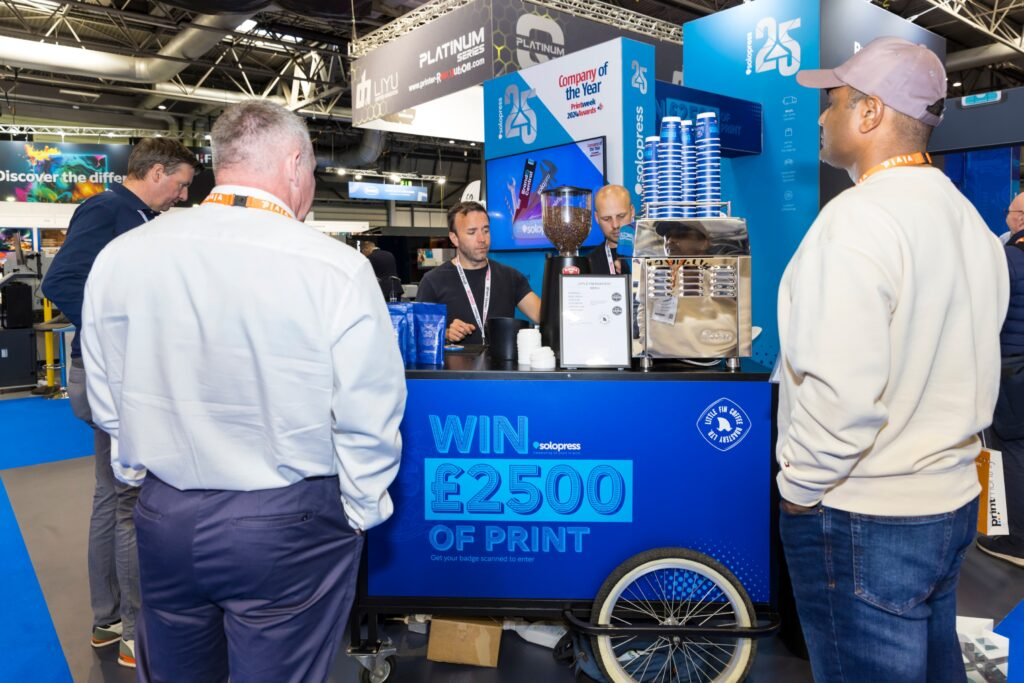
Measuring brand activation is a full-cycle process. It starts before the first guest arrives – and keeps delivering insight long after the lights go down.
To understand the full impact of your experiential campaigns, focus on three core pillars: before, during and after.
Before
Every successful brand activation begins with clear goals.
Before launch day, define exactly what success looks like. Set specific goals and KPIs aligned with your wider marketing objectives, whether that’s increasing brand awareness, generating qualified leads, or strengthening brand sentiment.
Now get your “before” picture. Gather baseline data of your key metrics like existing web traffic, social mentions and sentiment analysis. Review how your target audience already interacts with your brand. Track how your brand is perceived and what level of brand equity you’re starting from, before any experiential marketing begins.
Stuck on strategy? We’ve written a full guide to creating a brand activation strategy that delivers.
During
Now you’re live – this is where the energy kicks in. Make sure you’re taking notes whilst your activation is taking place.
If your activation is at an event, for instance, equip your staff to ask questions, observe reactions and hold real conversations. These small but intentional interactions reveal how people are connecting, emotionally and practically, with your experience.
You’ll discover which parts of your activation spark curiosity, hold attention, or leave people talking.
Tools for measuring brand activation
To grow from one success to the next, you also need experiential measurement tools to show you exactly what’s working and where to go bolder.
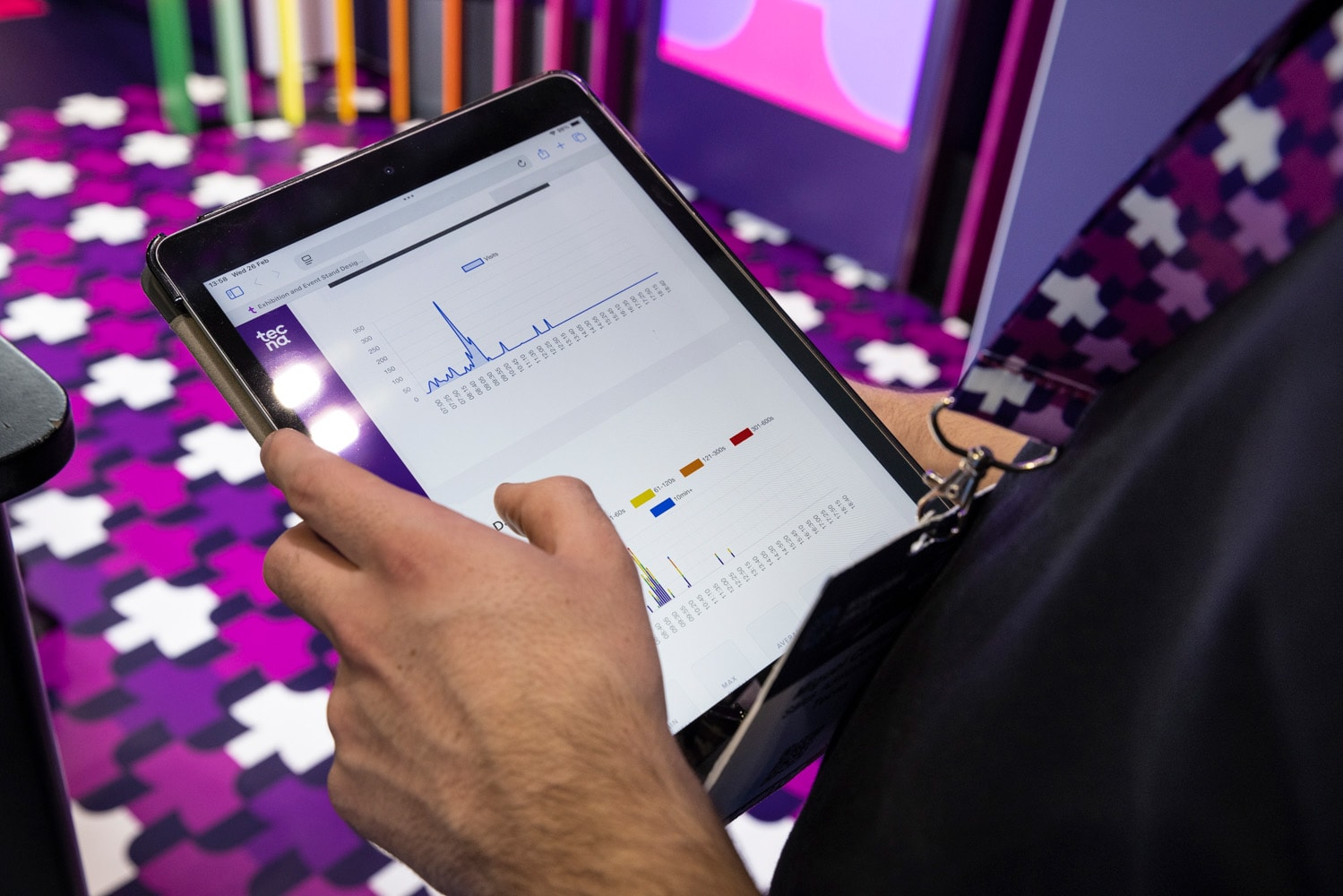
Real-time analytics allow you to track consumer behaviour as it happens at events like trade shows, conferences or pop-up experiences. At Tecna, our systems monitor visitor traffic, dwell time and engagement hotspots across your space, turning footfall into insight.
We use sensors and heat maps to reveal how people interact with your brand environment. Are they staying long enough? Are they drawn to a specific feature or skipping past key touchpoints?
This data helps you optimise layout, improve visitor flow and increase return on investment, all before the activation even ends. Combine this with lead capture, social media scores and sales data, and you’ve got a 360 view of performance.
After
The activation might have finished – but the insight is just beginning.
Use your post activation analysis to compare your “after” data with the “before” benchmarks you captured. Did your brand experiences drive more traffic, increase awareness, or shift perception? Were leads generated? Were those leads meaningful?
Follow up with attendees through email, surveys, or calls. Did they take action after the experience? Explore how your activation shaped their choices or brand perception days or weeks later.
By comparing predictions with actual customer behaviour, you gain a clearer view of brand impact and campaign performance.
Key metrics to measure brand activation success
The right key performance indicators turn great brand experiences into valuable data, helping you refine, scale and build on success.
Experiential brand measurement is more than counting clicks. It’s about drawing target audience insights from the way people respond, interact and remember. When you’re serious about measuring success, these metrics give your ideas structure and purpose.
Consumer engagement metrics
This is where you see how your audience interacted in real time.
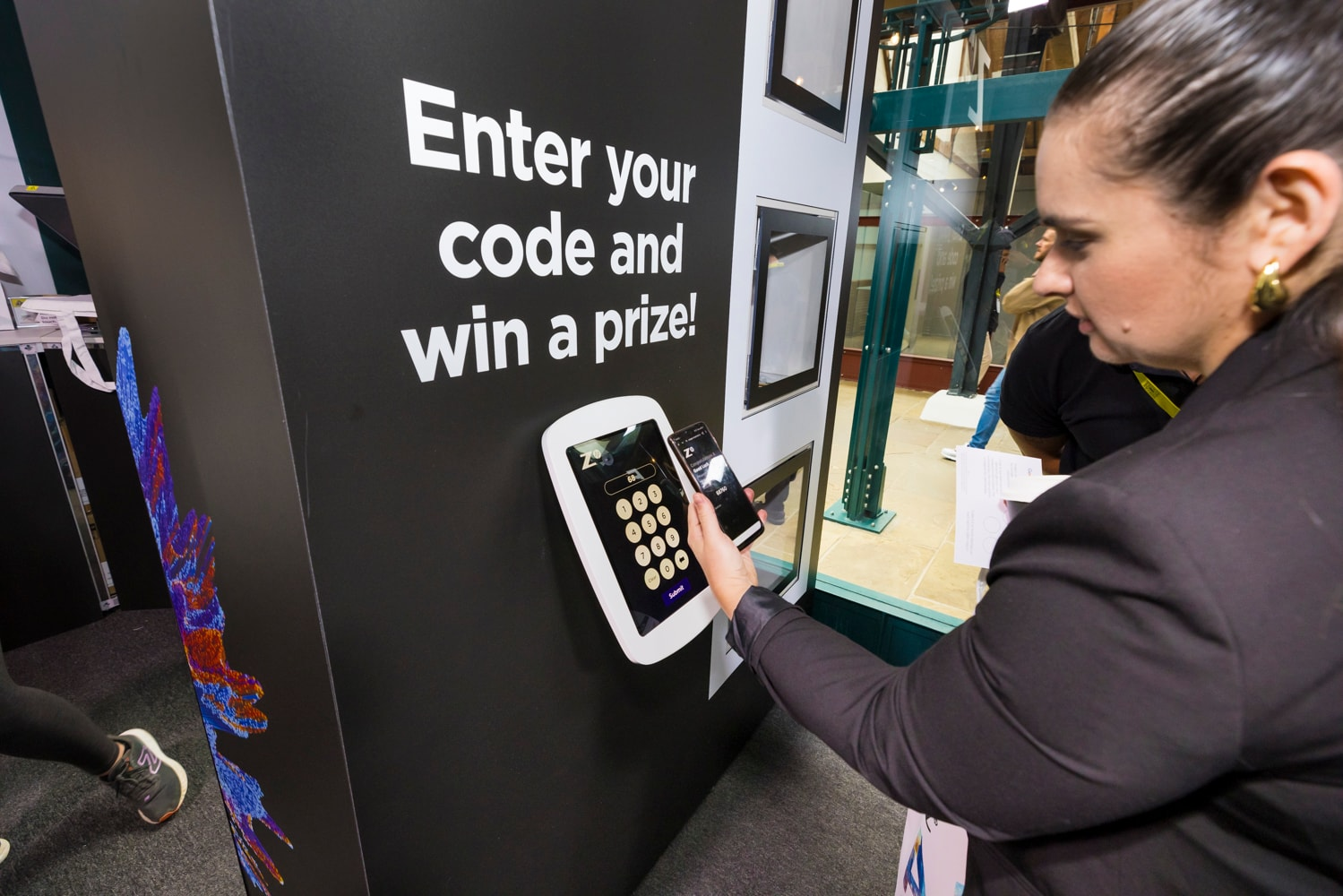
• Track interaction rates – Product demos, QR code scans, games played, or how many people explored your experiential activation.
• Don’t overlook dwell time – The longer people stay, the stronger the interest. Time spent signals attention, intent and emotional investment.
These are your “are we capturing interest?” signals. They show what pulled people in to your activation, and kept them there, crucial data for shaping future engagement.
Lead generation & conversion metrics
The best brand activations don’t just make people feel something. They inspire action.
• Measure email sign-ups, newsletter opt-ins, app downloads and completed lead forms. These signal genuine interest from potential customers and give you a direct way to continue the conversation.
• If your activation included digital touchpoints, like gated content or trackable landing pages, monitor those conversion rates specifically.
• Where direct sales are possible, measure sales volume and average transaction value.
Sentiment & feedback metrics
Some of the most powerful metrics live in how people feel.
• Use social listening tools to monitor brand sentiment. Are mentions positive? Are people excited? Are they sharing their experiences organically? These insights reveal whether you’ve delivered an effective brand activation – one that built connection, emotion and trust.
• Collect participant feedback via short surveys, interviews or real-time responses. Ask what stood out, how the experience made them feel and what they did after.
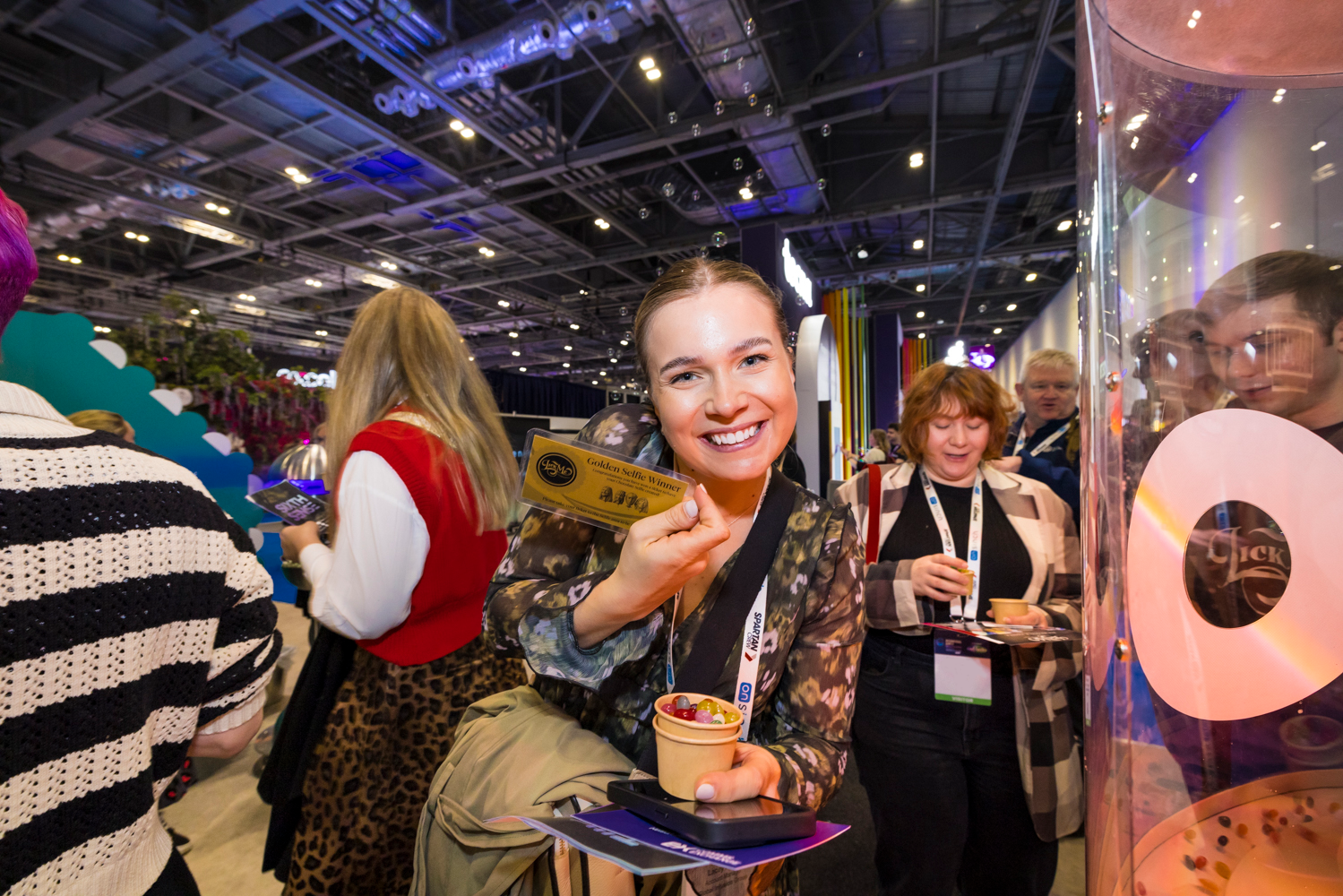
• Also track user-generated content – posts, photos, reels and reviews. It’s a strong indicator of customer loyalty and emotional investment in your brand.
Brand visibility and awareness
How far did your message travel? How much noise did your activation make?
• Look for spikes in website traffic, branded search volume and branded keyword lifts immediately before and after your activation.
• Track media mentions, earned PR and brand coverage in relevant publications or influencer channels. Don’t forget the power of traditional advertising as part of your marketing strategies.
• Social media metrics also play a huge role here. Review social media impressions, reach and engagement. Are you leveraging social media well to spread your brand message?
• And don’t forget influencer marketing. If creators or thought leaders were involved, track their reach and engagement levels too. Their audiences may be your next customers, and also can build a programme for future activations.
Sales impact & revenue attribution
A successful activation should do more than attract attention. It should drive sales, move leads through your funnel and contribute meaningfully to your bottom line. To understand the full commercial effect, you’ll need to connect activation outcomes to measurable revenue performance.
Start by looking at the quality of your leads, not just the quantity. This helps you gauge whether you’re attracting the right kind of attention.
• MQLs (Marketing Qualified Leads) – These are people who’ve engaged meaningfully with your activation and align with your target customer profile. They might have downloaded exclusive content, joined your mailing list, or spent time interacting at your stand. Identifying MQLs helps your marketing team understand where interest is being generated and how to keep the conversation going.
• SQLs (Sales Qualified Leads) – These are leads that have been vetted and are ready for a sales conversation. They may have requested pricing, booked a meeting, or returned for a follow-up. Spotting SQLs shows your activation is doing more than raising awareness, it’s sparking genuine buying intent.
Next, dig into cost and value to determine the efficiency of your spend.
• CAC (Customer Acquisition Cost) – This tells you how much it cost to convert a potential lead into a customer. It’s calculated by dividing your total activation spend by the number of new customers acquired. It’s a key metric for understanding whether your brand activation is sustainable and scalable.
• CLV (Customer Lifetime Value) – This estimates the total revenue you expect from a customer throughout their relationship with your brand. If your activation brings in high-value, long-term customers, your ROI doesn’t just look good – it compounds over time.
Then, measure your overall ROI to get a full view of cost versus revenue, and understand how your activation contributed to long-term brand equity, customer loyalty and sustainable growth.
Use frameworks that consider both short-term sales and long-term gains like brand loyalty, repeat engagement and increased brand equity. Not all wins are instant, but when you track conversions, lead progression and behaviour post-event, you build a clear picture of what your activation delivered.
Mistakes that undermine your brand activation metrics
One of the most common mistakes made when measuring brand activation is to measure once and call it a day. If you’re not measuring what happens weeks or even months later, you’ll miss the ripple effects. Track how your audience thinks, acts and engages long after the lights go down. That’s where the lasting value lives.
Don’t forget the human angle, either. Pair quantitative and qualitative data to get the full picture. Dwell time, scans and clicks are valuable – but so are honest opinions. If you skip feedback or fail to follow up, you’re leaving gold on the table.
Continuous improvement based on metrics
Measurement isn’t the finish line, it’s your springboard. Use the insights you’ve gathered to test, tweak and evolve. Run A/B tests on messaging, layouts, interactive elements or even formats – what grabs attention faster, or holds it longer?
Build these experiments into your strategy. Don’t wait for a major campaign to try something new. Small, continuous adjustments can lead to big breakthroughs.
Make your next brand activation unmissable with Team Tecna
Looking for innovative ideas that go beyond the expected? We never settle for boring at Tecna. Our team combines creative energy with technical know-how to design and build immersive activations that not only impress but perform.
But it doesn’t stop there. We’ll help you track the metrics that matter – from footfall and dwell time to engagement and ROI – so you know exactly what’s working.
Ready to make your brand impossible to ignore? Let’s bring your next activation to life.
Explore Our Brand Activation Services
Frequently asked questions
We’ve covered your most common questions on measuring brand activation below.
-
What are the KPIs for brand activation?
KPIs for brand activation typically include:
- Engagement metrics like footfall, dwell time and interaction rates
- Lead generation data such as email sign-ups or app downloads
- Conversion metrics, including direct sales or post-event actions
- Brand sentiment tracked through feedback, social listening, and testimonials
- Visibility markers like website traffic spikes, earned media, and social reach
- Customer insights through surveys
-
How do you measure brand activation efforts?
Measuring brand activation efforts starts with clear KPIs. From there, track audience engagement, sentiment and feedback as the experience unfolds. Then follow up post-event to see how it shaped behaviour. By leveraging data across the full journey, you gain powerful insight to drive overall success.