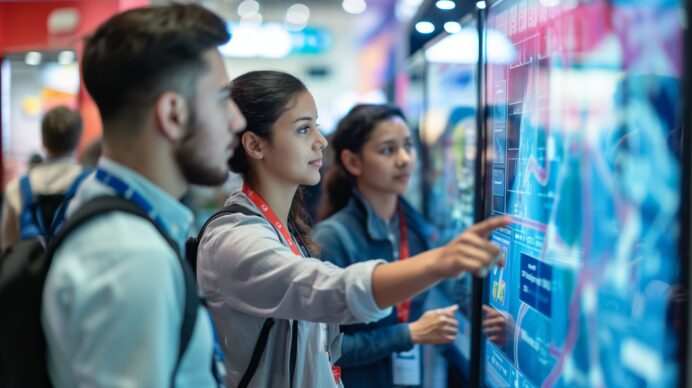
In 2025, the brands winning attention aren’t the loudest – they’re the most unforgettable. Experiential marketing is how you get there. Think bold activations, immersive events and hands-on moments that make your buyers feel something.
Ready to impress your audience? Let’s go through the key strategies we use at Tecna to bring the energy to B2B.
What is B2B experiential marketing?
This is a specific technique that utilises immersive experiences to build business relationships. It turns a one-way promotion between you and your potential customers into a high-impact moment.
Picture a logistics company transforming a trade show booth into a live supply chain – conveyor belts, scanners, real-time data on display. Or a SaaS brand hosting an escape room where teams solve puzzles using their software.
The more creative, the better.
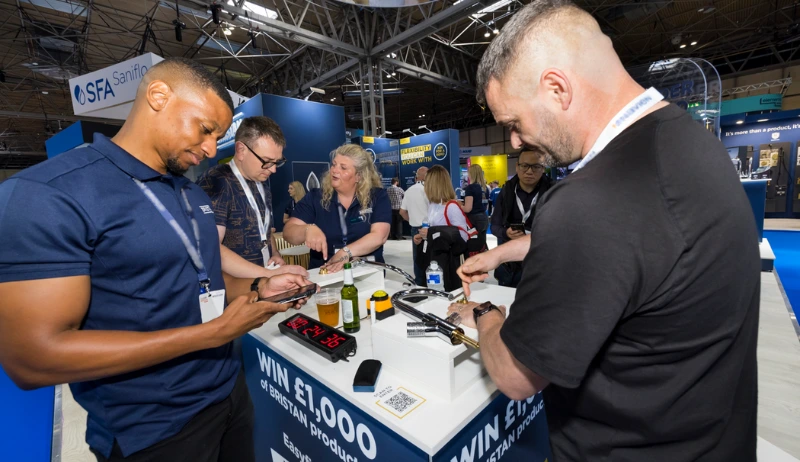
The B2C and B2B experiential marketing divide
In B2C, experiential marketing is designed to stop people in their tracks, generate emotion and drive purchases. But it’s a common misconception that it’s just for B2C.
In B2B, the format might shift, but the power of experience is just as strong. Here, it’s about building trust, credibility, and long-term partnerships. You’re demonstrating value. You’re helping decision-makers see and feel what you bring to the table, often in environments where influence counts.
That could look like:
• A live product demo at an industry trade show
• A hands-on workshop that solves a real client pain point
• A networking experience with a distinctive, branded twist
Why B2B experiential marketing strategy matters in 2025?
More B2B marketers than ever are putting their money where the experience is. In fact, over half of marketers in Marketing Week’s State of B2B Marketing report say immersive experiences and events are now their top priority for brand investment.
That’s a clear signal: experiential is how B2B brands are showing up, standing out and building real-world credibility.
What’s behind the shift?
• Buyer expectations are changing fast. Today’s B2B audiences don’t just want information. They’re looking for proof, connection and a reason to care.
• Trust is built face-to-face. In a digital-first world, real interactions stand out – and 80% of consumers say in-person events are the most trusted way to discover new products and services. That matters when your sales cycle spans months and involves multiple decision-makers.
• Experiential drives momentum. Great experiences don’t just capture attention. They spark conversations, drive follow-ups and create lasting brand recall. They build emotional connection and cultivate brand loyalty by showing, not telling, what your business stands for.
In short: if you want to move buyers and drive engagement in 2025, don’t just talk to them – invite them in.
Explore more in our blog on the Top 15 benefits of experiential marketing.
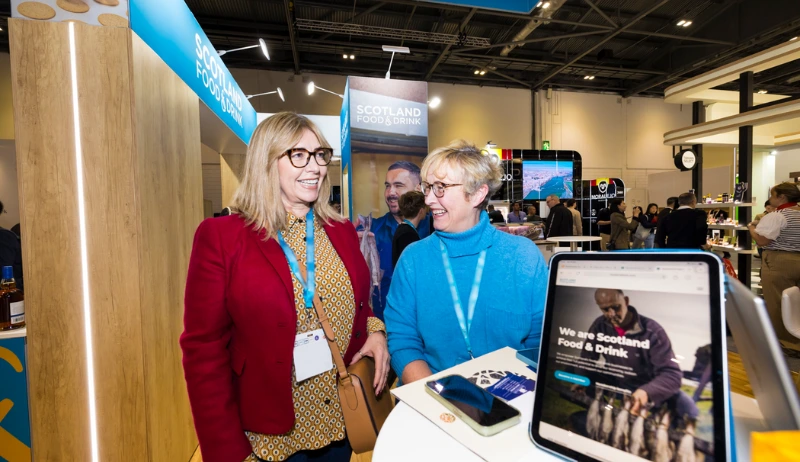
Key strategies for effective B2B experiential marketing
Here’s how we help brands go beyond the expected with experiential marketing.
1. Personalised experiences
The best experiential campaigns are designed to feel relevant. It’s about showing decision-makers what matters to them, without making them work for it. That could mean:
• Showing industry-specific data or use cases based on who they are. A fintech client sees ROI examples from financial services. A healthcare visitor sees outcomes for clinical operations.
• Printing a visitor’s actual company name on a free giveaway item live at an event. They walk away with a real-world example that’s all about them, not just a generic sample.
2. Lead with story
When your space reflects a clear narrative, your message lands faster, deeper, and with far more impact. That’s the power of story in experiential design.
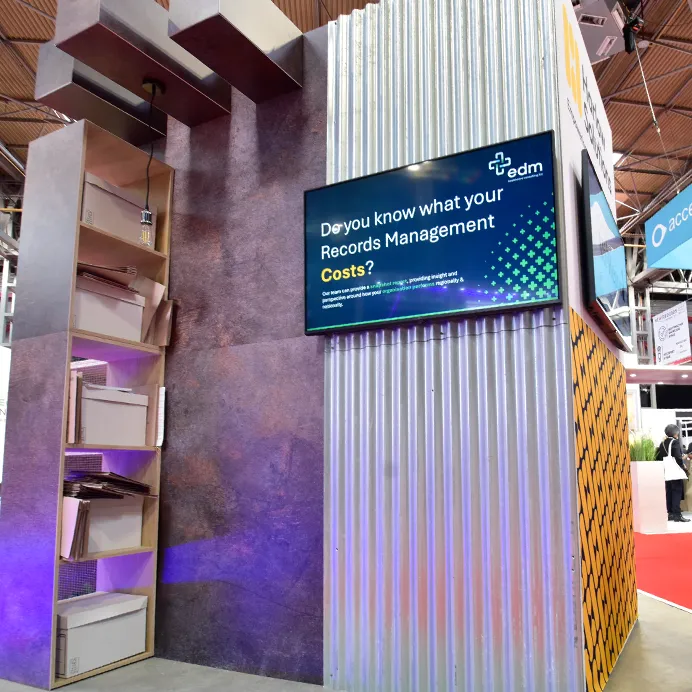
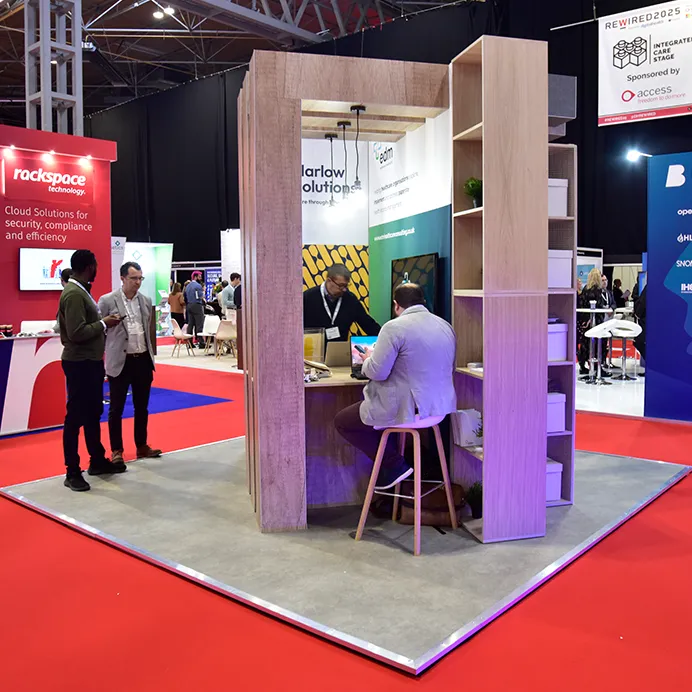
Take EDM Healthcare, for example. Their stand at Digital Health Rewired 2025 told a bold visual story – a split between two futures. One side, all grit and industrial texture, represented the mess and frustration of outdated systems. The other, sleek and calm, showed the clarity of digital transformation. Visitors didn’t need a slide deck, they felt the difference the moment they stepped in.
Every design choice reinforced the message and opened the door to real conversations.
3. Use the right technology
You don’t just want to tell people what you do, you want them to experience it. That’s where the right technology becomes an asset.
We’re talking technology that empowers your potential clients to dive in, explore, and take control. A touchscreen that lets buyers build their ideal solution. Augmented Reality that drops your product into their world through their phone camera. Virtual Reality that transports them into an immersive scenario – whether it’s a factory floor, a data centre, or a product environment they wouldn’t otherwise access.
This kind of interaction builds confidence. It invites curiosity. And it gives your team more time to do what they do best: have real, informed conversations.
4. Make it human
In a world of product sheets and pitch decks, human-centred experiences are the ones that break through.
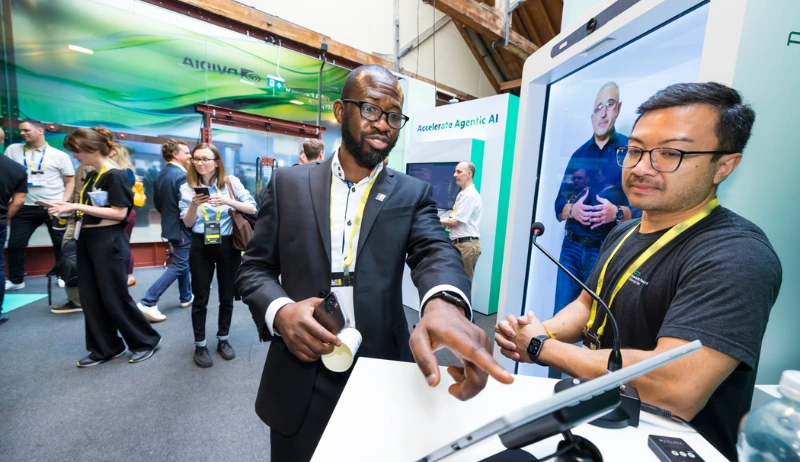
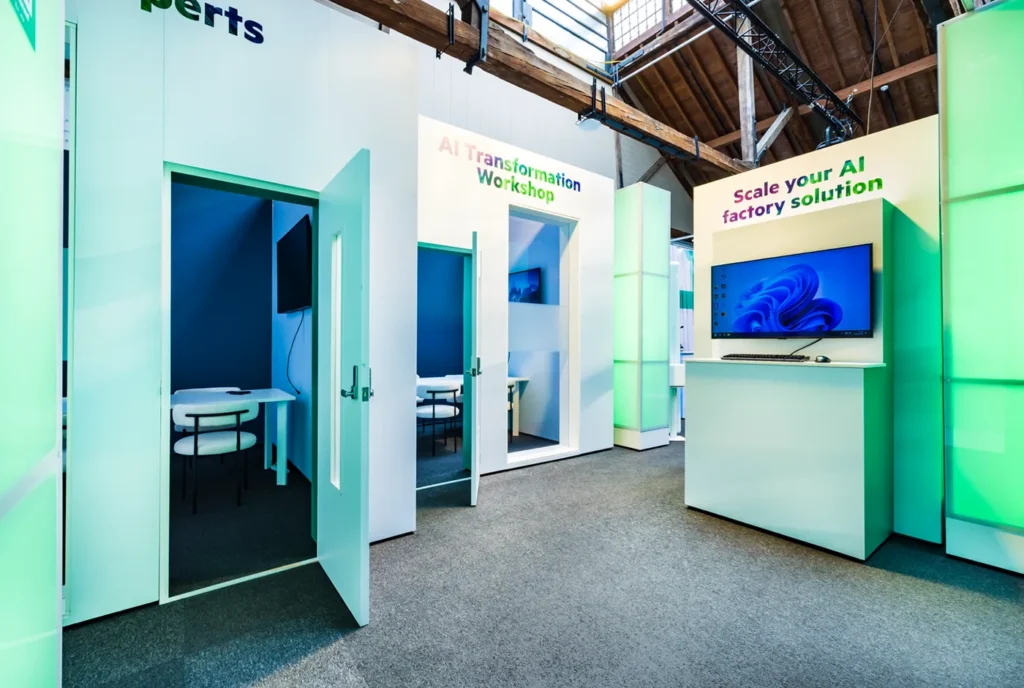
At the London AI Summit 2025, we built exactly that for HPE. From a Gen AI avatar that responded in real time to a digital scavenger hunt woven through four custom zones, every part of the space was designed to pull people in – and keep them engaged.
It was bold. It was strategic. And it worked because it respected something that often gets forgotten in B2B: people want to explore, engage, and experience something built with them in mind.
Where experiences come to life: high-impact formats for B2B brands?
Experiential marketing doesn’t just belong in exhibition halls – it can show up anywhere your audience does. From major summits to street-level activations, the right format helps you meet buyers in the moment.
Conferences and summits
High visibility. High pressure. Zero room to blend in.
Conferences and summits are packed with potential, but only if you go beyond the basics. What stops people in their tracks is an experience that feels alive: bold visuals, smart flow, hands-on interaction, and a story that’s clear before anyone speaks.
The goal? Don’t just fill a space. Own it.
Branded events
Want to control the message, the energy, and the entire environment? Build your own.
Branded experiential marketing events give companies space to go deep – to create immersive, high-impact moments built entirely around their values, voice, and goals. Think Airbnb’s Festival of Hosting. A celebration, a connection point, a full-brand experience designed just for their community of hosts.
Pop-up activations
Fast. Flexible. Impossible to ignore.
Pop-ups break the mould – they drop straight into the world of your audience and demand attention. Often used in B2C, but incredibly effective in B2B when done with purpose.
Take Slack’s travelling pop-up experience: interactive scenes, playful demos, selfie-ready spaces, and giveaways that pulled people in and made them stay. It wasn’t just fun, it was strategic. A product story disguised as a good time.
Measuring results in B2B experiential campaigns
Measuring results in experiential doesn’t stop at footfall. It’s about understanding why people engaged – and what that engagement led to. Which areas held attention? What sparked curiosity? What converted interest into action?
To answer those questions, we offer real-time, privacy-focused event analytics that turn live audience behaviour into valuable data. Designed for fast-paced, high-density environments, our solution lets you adapt and optimise on the fly.
Here’s how it works:
• Stand-mounted sensors, placed 2.5m or higher, track movement without facial recognition or personal data
• A live dashboard shows how visitors move through your space, in real time
• Insights are visual, intuitive, and actionable, with no data science degree required
What does that mean for your results?
• Up to 99.9% accuracy gives you trust in the numbers
• You can fine-tune performance while the experience is live
• And most importantly: it ties creative ambition to commercial outcomes
Let’s build the brand activation your brand deserves
You’re not here to blend in – and neither are we. At Tecna, we work with ambitious B2B brands to create bold, high-performing experiential campaigns that go far beyond the expected.
This is brand activation, reimagined. Strategic, creative, and built to move people.
From concept to install – design, logistics, storage, delivery, build and breakdown – we take care of the full journey. You stay focused on the message. We handle the momentum.
Every decision is made with purpose. Every detail is designed to perform. Because when the stakes are high, your experience should do more than look good – it should lead.
So if you’re ready to:
• Tell your story with clarity, energy, and ambition
• Break free from the same old formats and do something unforgettable
• Turn engagement into real, measurable outcomes
Then let’s make it happen.
Explore Our Brand Activation Services
Brand Activation on Tecna’s Exhibition Stand
Frequently asked questions
Curious about how experiential marketing works? We’ve answered some frequently asked questions below.
-
What is an example of experiential marketing?
Experiential marketing is about creating brand moments your target audience can physically step into and remember. A prime example is using sensory experiences – engaging touch, sound, scent, light, or motion to bring a message to life.
This might look like textured walls that invite interaction, scent diffusers that evoke emotion, soundscapes that build atmosphere, or lighting that shifts as people move through the space. Instead of explaining your story, you let people feel it, quite literally.
-
Is experiential marketing expensive?
It doesn’t have to be. Experiential marketing is about delivering value, and that scales to suit your business goals, budget, and ambition.
The key is choosing the right format, location, and build approach. A modular build, for example, gives you the flexibility to reuse components across events.
-
Why should stakeholders be involved early on in experiential marketing?
Because the most effective experiences start with alignment. When stakeholders are involved early, from sales to customer success to executive leadership, the activation becomes a shared tool to drive real business outcomes.
Sales can help shape the story. Customer success brings insight into real pain points. Marketing teams ensure cohesion. And with strong data and storytelling, you can get executive buy-in that lasts beyond one event.
Early involvement means clearer goals, smarter decisions, and stronger results, across the board.
-
What is the role of social media in experiential marketing?
Social media turns one moment into many. When experiences are designed for social sharing, they live far beyond the event, sparking conversations, boosting reach, and bringing your brand to life across several social platforms.