There is a quiet arms race happening on the UK exhibition circuit. Most marketing managers only notice it when they walk a show floor and realise their stand looks like it belongs to a different decade.
The businesses pulling ahead are not necessarily spending dramatically more. They are doing three things differently in their exhibition marketing strategy, and once you can see what those things are, the gap becomes a great deal easier to close.
The Gap Is Widening, and Its not down to Money
The instinctive explanation for a competitor’s impressive stand is budget: “They spent more, therefore they look better“. This is sometimes true, but is a less accurate explanation than most marketing managers assume.
The stands that consistently outperform on the exhibition floor share a set of strategic and operational characteristics that are more about approach than expenditure.
Businesses that have figured this out are compounding their advantage year on year, because they learn more from each show, apply those learnings faster, and arrive better prepared each time.
The gap between the best-performing exhibitors and the average is only growing wider. The changes that separate them are all available to any business willing to treat exhibiting as a discipline, rather than a logistics exercise.
Change 1: Stop Treating the Stand as the Deliverable
The most significant mindset change among high-performing exhibitors is a redefinition of what the exhibition project actually is.
For most businesses, the stand is the deliverable: brief a contractor, approve a design, show up on the day. For the businesses pulling ahead, the stand is infrastructure. The deliverable is a commercial outcome, and the stand one of several inputs that need to work together to achieve it.
This sounds like a subtle distinction but it changes almost every decision onwards.
When the stand is the deliverable, success is judged on whether the stand looks good and goes up on time. When the commercial outcome is the deliverable, every element of the exhibition programme (Think show selection, floor position, staff briefing, pre-show outreach, post-show follow-up, and more) is evaluated against its contribution to that outcome. Businesses operating in this second mode get more from the same investment because they are optimising for a different and more commercially relevant target.
The practical implication is a shift in how the brief is written. Instead of starting with square metreage and a design brief, the most sophisticated exhibitors start with a clearly articulated commercial problem:
• “We are entering a new market and need to establish credibility with procurement teams at mid-sized manufacturing businesses.“
• “We have 40 warm accounts that have been in pipeline for more than six months and we want to accelerate six of them to close.“
• “We are launching a new product line and need 200 relevant buyers to experience it in a single day.“
The stand design follows from the brief. The brief follows from the commercial objective.
Change 2: Investing Seriously in the Pre-Show Window
The six to eight weeks before a show opens are where a disproportionate amount of exhibition value is created or lost. This is the window where the performance gap between sophisticated and unsophisticated exhibitors is most visible.
The average exhibiting business uses this window for logistics like confirming stand details, organising travel, finalising graphics. The businesses pulling ahead use it as an active commercial campaign.
Specifically, they are doing four things in this window that their competitors are not. They are:
• Mapping the registered attendee list (where available) against their target account list and identifying the specific people they want to meet.
• Reaching out to those people personally, from a named sales contact, with a specific reason to visit the stand or a proposed meeting time.
• Creating show-specific contentthat gives their target audience a reason to engage before the show opens. Examples include a piece of research, a practical tool, or an invitation to an on-stand activation.
• Briefing their stand team with the names, roles, and context of the priority accounts they are hoping to see
This last point is vital, so that when those people arrive at the stand the conversation starts three steps ahead of where a cold interaction would begin.
This level of preparation sounds intensive, and it is. It is also the single highest-return investment available in an exhibition programme, because it transforms the economics of the whole event.
A stand that converts 30% of its conversations from pre-arranged meetings with qualified prospects, will dramatically outperform a stand relying entirely on cold floor footfall at identical cost.
Change 3: Build a Learning System Into Your Exhibition Marketing Strategy
The businesses consistently winning on the exhibition floor are not just performing better at individual shows. They are getting better faster than their competitors because they have built a system for learning from each event into their exhibition marketing strategy and applying those learnings to the next one.
This is less common than it sounds. Most businesses conduct a loose debrief after each show, agree that it went reasonably well or could have been better, and move on. The specific conditions that drove success or failure are rarely documented, rarely analysed, and (most importantly) rarely used to change anything concrete before the next event.
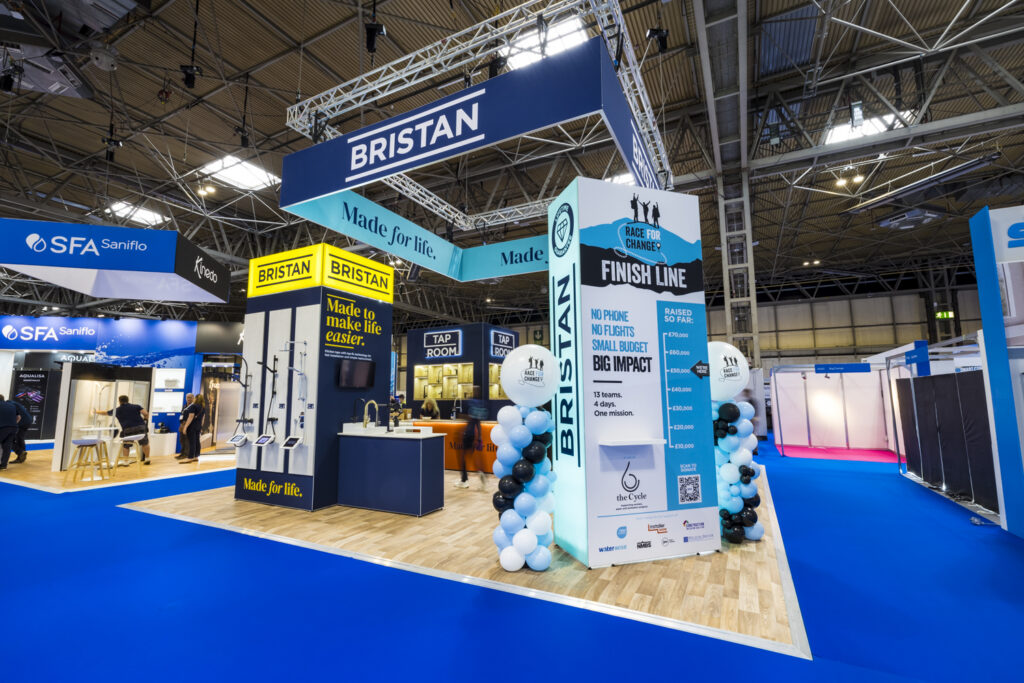
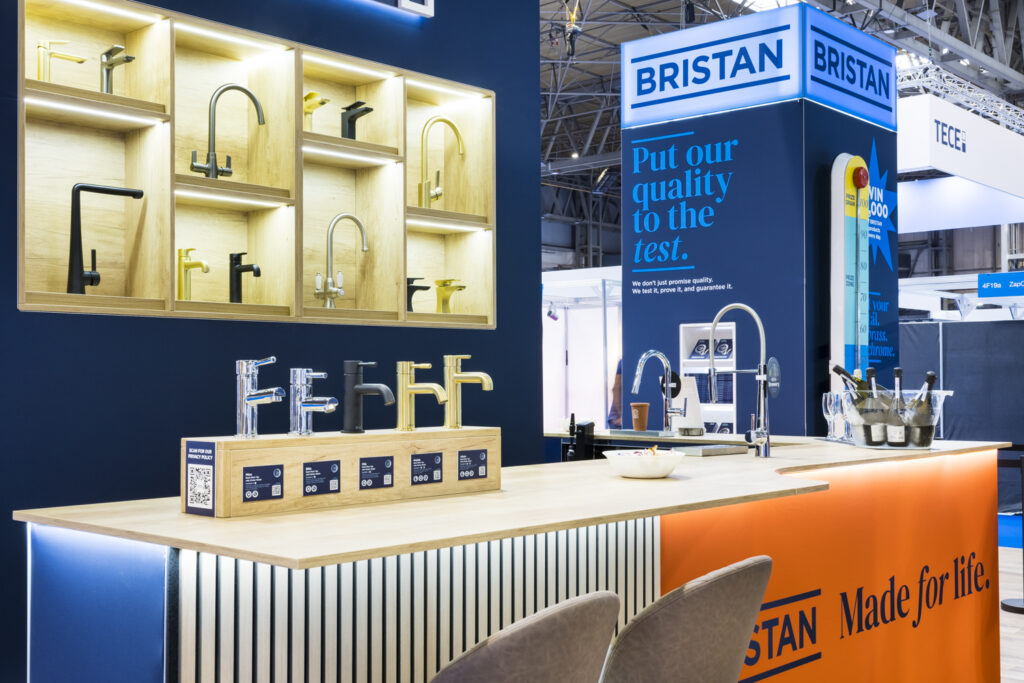
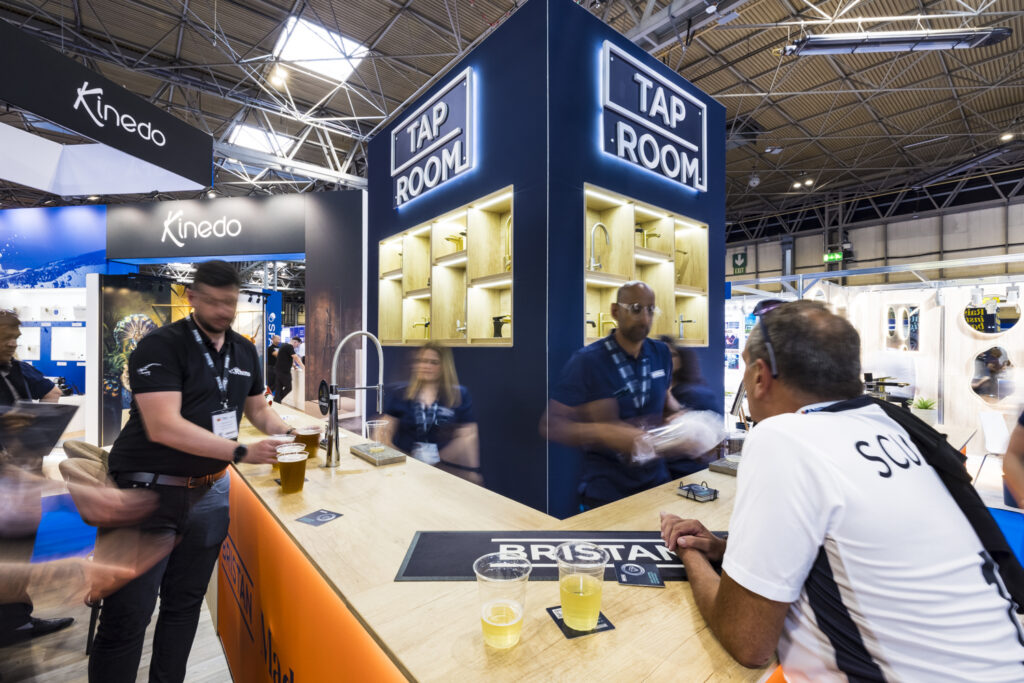
The learning system that separates the best exhibitors has three components:
1: A structured post-show debrief that captures not just outcomes but the conditions behind them: which conversations started on the stand were the most productive, what time of day, what drew those visitors in, what questions they were asking, what the team found it hard to answer.
2: A deliberate hypothesis for the next show: given what we learned, we are going to change these specific things and expect these specific improvements.
3: A measurement framework that allows the hypothesis to be tested. Over the course of two or three years, this compounding learning curve produces a capability gap that is very hard for a static competitor to close.
What to Do With This
The competitive gap in exhibition performance is not closed by spending more on a stand.
It is closed by operating in a fundamentally different way: treating exhibition as a commercial discipline with its own preparation process, learning cycle, and measurement framework. The businesses that have made this transition are pulling ahead, and the window to close the gap before it becomes structural is narrowing.
Tecna works with brands at every stage of this transition, from the first conversation about what an exhibition programme should actually be trying to achieve, through to the design and build of stands that are engineered to deliver specific commercial outcomes.
If you want to understand where your exhibition marketing strategy sits relative to what the best in your sector are doing, why not schedule a call with our team of experts today? Book a call with our team today.