Don’t treat your exhibition photography and videography as an after thought
A few staged photos. A shaky booth walkthrough. Maybe a highlight reel uploaded weeks later really doesn’t do justice to the amount of impact it can have to support your brand when you’re exhibiting. Exhibition photography and videography are vital aspects of your strategy, and and should be utilised as such.
To generate real post-event ROI we suggest approaching content when you’re exhibiting a little differently: the clips themselves are the marketing asset.
Your exhibition stand is not just a physical environment. It’s a live content studio that can feed your website, LinkedIn, paid campaigns, sales outreach, PR, recruitment, and future event promotion.
To get the most value from trade shows, plan your photography and videography before the event, don’t try to salvage content afterwards.
This guide breaks down how to plan exhibition photography and videography so that it makes an impact, we will run through:
• What content to capture
• How to brief your videographer or photographer
• The best interview and testimonial questions
• Real-time content ideas
• Short-form video strategies
• Common mistakes to avoid
• How to maximise ROI with your content after the show ends
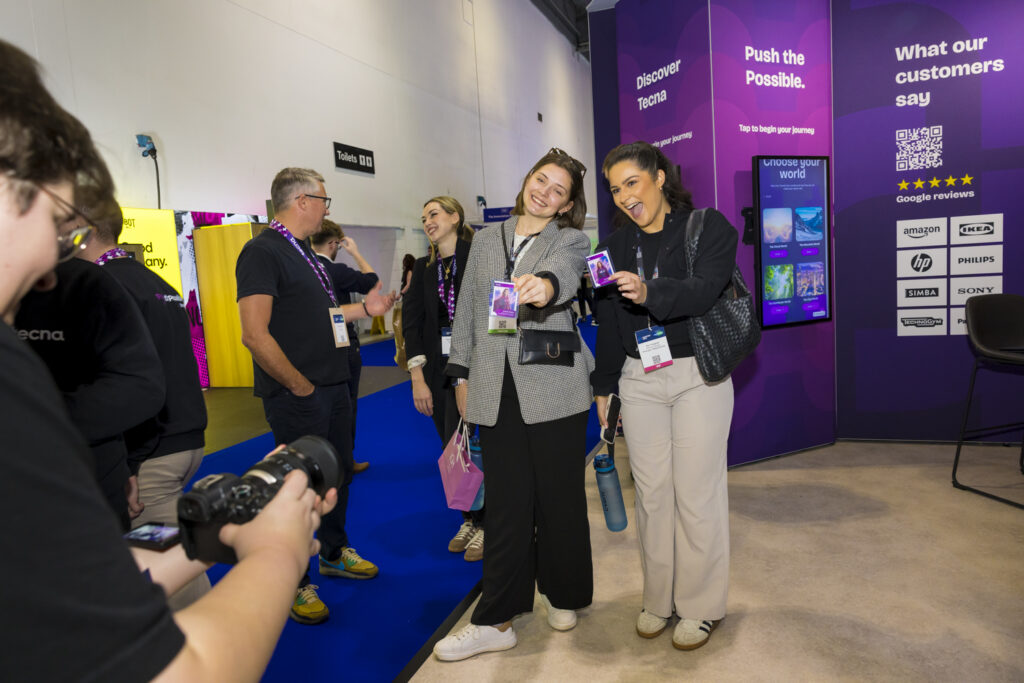
Why Exhibition Content Matters More Than Ever
Trade shows are expensive.
Between stand design, logistics, staffing, sponsorships, travel, and production costs, exhibitions are often one of the biggest line items in a B2B marketing budget.
Yet many businesses leave with very little usable content.
That’s a missed opportunity, as you’re naturally generating scenarios where you have:
• Customer interactions
• Product demonstrations
• Team culture moments
• Industry commentary
• Social proof
• Brand visibility
• Educational content
• Behind-the-scenes storytelling
A single event can produce months of marketing material when captured correctly. The advantage of using photography and videography at exhibitions is that it can significantly increase brand awareness and audience engagement, giving your business a competitive edge by providing high-impact assets for ongoing marketing.
Think Beyond the “Event Recap Video”
The traditional exhibition montage is becoming less valuable on its own.
Instead, prioritise:
• Short-form clips
• Interview snippets
• Vertical video
• Fast-turnaround edits
• Customer testimonials
• Educational soundbites
The goal is no longer simply documenting the event. The goal is creating content that covers a multitude of topics and experiences that you can use in different formats after the exhibition ends.
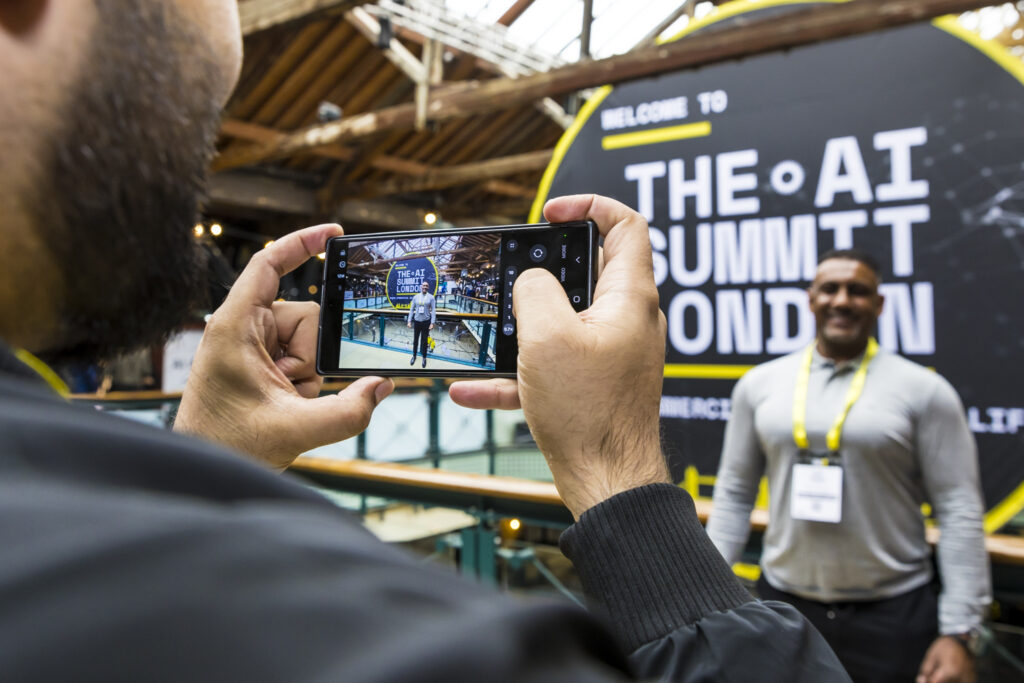
Start Planning Content Before the Event
Plan what you want at least a month in advance.
Professional videographers and photographers consistently stress the same thing: poor planning creates poor footage. They’re also booked up early, so don’t forget to reach out early enough to secure your preferred choice.
Create a Content Shot List
Before the show, define exactly what you need captured.
This might include:
Booth & Brand Footage
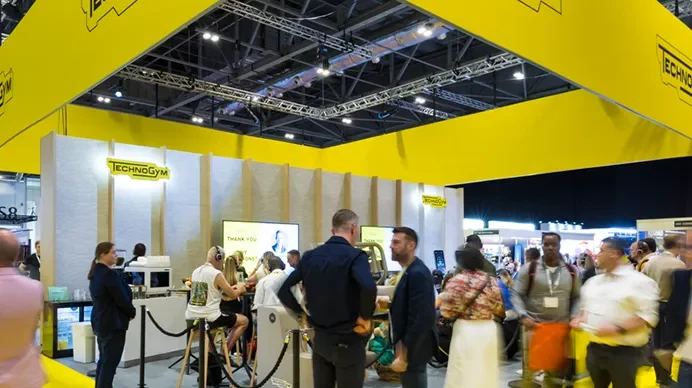
• Wide shots of the stand (empty and busy)
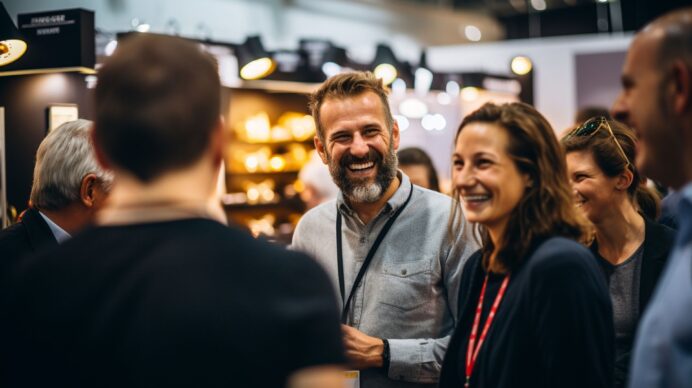
• Crowds and engagement (always people smiling)
• Product demos
• Team interactions (great opportunity for a team photo)
• Branded details
• Signage
• Atmosphere footage
Customer & Partner Content
• Testimonials
• Interviews
• Product reactions
• Networking moments
• Partner collaborations
Social Media Content
• Vertical video clips (for specific platforms)
• Fast reactions
• “Day in the life” moments
• Behind-the-scenes footage
• Team commentary (you may want to cover these yourself in-house but it is worth having them on your overarching list)
Sales & Marketing Assets
•Website hero footage/brand video content
• LinkedIn ads
• Recruitment content
• Product explainers
• Future exhibition promos
Without a clear shot list and planned outcomes, content teams often over-capture random footage but miss the moments that matter. When planning your shot list, focus on capturing human interaction to convey the atmosphere of the exhibition, use slower shutter speeds for dynamic images with motion blur of crowds, and remember that high-quality photography at exhibitions requires preparation, the right gear, and attention to detail.
The Most Valuable Content at Exhibitions: People Talking
The strongest-performing exhibition videography and photography is usually human-led.
Not cinematic stand shots. Not drone footage or generic montages.
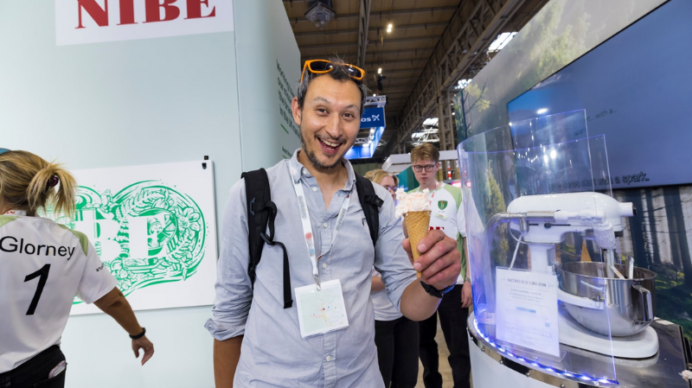
People connect with people. People engaging, laughing, having fun will always be your best performing image and they will be used again and again.
That’s also why interviews, testimonials, and conversational clips consistently outperform purely visual event edits.
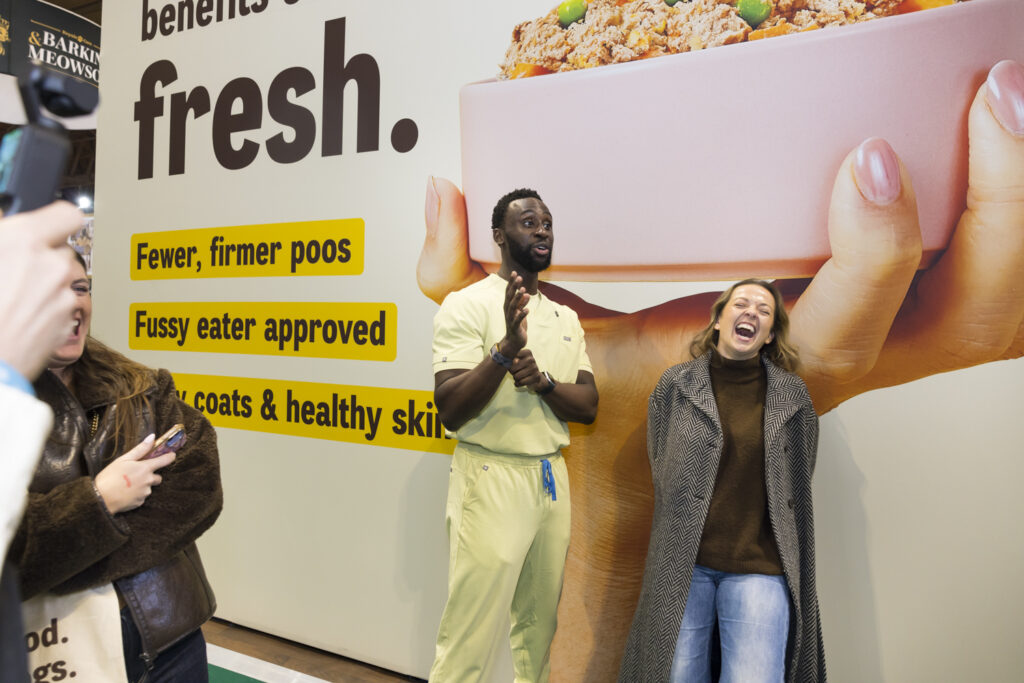
Prioritise Testimonials Early
One of the biggest mistakes exhibitors make is waiting until the final day to capture customer interviews or not asking in advance.
By then:
• Attendees are tired
• Schedules are chaotic
• Energy drops
• Key people have left
Instead:
• Identify ideal interviewees before the event
• Schedule filming windows
• Brief them in advance
• Keep interviews short and relaxed
Even 30-second clips can become highly effective marketing assets. Pro tip: ask everyone different questions to avoid getting the same answers.
The Best Exhibition Testimonial Questions
Experienced videographers often recommend asking short, conversational questions rather than scripted corporate prompts.
Why?
Because natural answers create stronger content.
Good Questions for Customers
Instead of:
• “Can you tell us about your experience with [your brand]?”
Try:
• “What problem were you trying to solve?”
• “What stood out to you today?”
• “What’s changing in your industry right now?”
• “Why did you stop by our stand?”
• “What surprised you most?”
• “What’s one thing businesses are getting wrong?”
• “What are you hoping to learn at this event?”
• “What’s been your favourite part of the show?”
Good Questions for Internal Teams
• “What conversations are you having most today?”
• “What trends are you hearing repeatedly?”
• “What’s exciting customers right now?”
• “What’s the biggest challenge attendees are talking about?”
Longer answers are fine as they can be clipped and edited to:
• “What makes this year’s event different?”
• Fit LinkedIn and social formats
• Hold attention better
• Create more editing flexibility
• Feel more authentic
You will also get multiple to choose from. For clear audio in noisy environments, use wireless lapel microphones during interviews and testimonials. They work a treat for us when we film at shows like International Confex and The AI Summit London
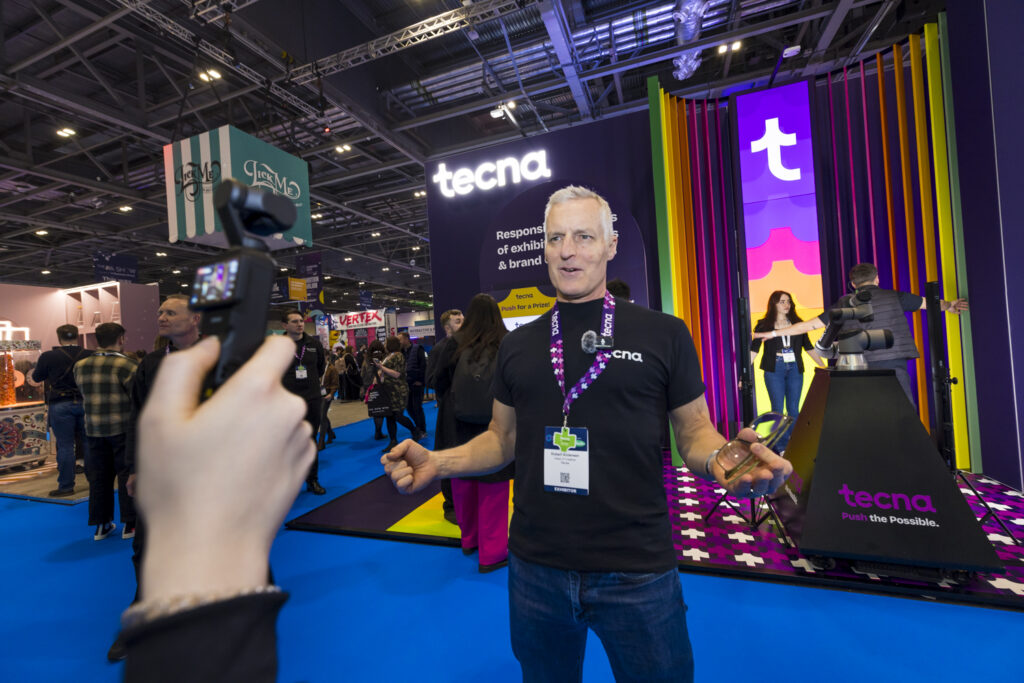
Real-Time Content Is Becoming Essential
Many brands still wait weeks to publish exhibition content after internal work, edits and then approvals.
That’s often too late.
The highest-performing event content is increasingly published during the event itself. Fast editing and delivery of content is essential for social media engagement, and using live content, such as live tweeting or posting images, is vital for maintaining high engagement levels and ensuring consistent event branding.
Why Real-Time Content Works
Exhibitions create temporary attention spikes.
Posting during the event helps you:
• Join live industry conversations
• Increase booth visibility
• Create FOMO
• Drive stand traffic
• Boost engagement while interest is highest
Real-Time Content Ideas
Quick Interview Clips
30-second industry opinions or reactions.
Team Updates
“Here’s what we’re hearing today…”
Product Demonstrations
Short, practical walkthroughs.
Booth Activity Clips
Show energy and attendance.
Behind-the-Scenes Content
Setup, prep, travel, networking.
Trend Commentary
Immediate takes on keynote announcements or industry discussions.
Don’t Ignore Vertical Video
Many exhibition teams still prioritise landscape video only.
That’s outdated.
Most exhibition content today is consumed on:
• LinkedIn mobile
• Instagram Reels
• TikTok
• YouTube Shorts
Your videographer should be capturing:
• Vertical-first footage
• Tight framing
• Mobile-friendly composition
• Fast-paced edits
• Subtitled clips
Professional event videographers increasingly shoot with short-form repurposing in mind from the start. Pro tip: don’t forget accessibility! Subtitles (accurate ones) are important for inclusivity.
Photography Still Matters, But It Needs Purpose
Photography should go beyond staged smiling shots.
The best exhibition photography and videography captures unstaged moments of:
• Interaction
• Emotion
• Energy
• Conversation
• Product engagement
• Authenticity
Allowing photography at exhibitions creates a unique and personalized experience for visitors, who frequently use photography to document their experiences and recall details later.
The Most Useful Event Photography Includes:
Wide Atmosphere Shots
Useful for websites and future event promotion.
Tight Interaction Shots
Great for LinkedIn and sales collateral.
Team Culture Images
Useful for recruitment and employer branding.
Product & Demo Photos
Support sales enablement and case studies.
Crowd Engagement
Provides social proof and credibility.
Common Exhibition Content Mistakes
Filming Everything Without Strategy
More footage does not equal better content. Intentional footage wins as you will know where and when you’re using it. Having a tonne of footage can feel overwhelming.
Overproduced Corporate Interviews
Natural conversation almost always performs better than scripted speeches.
Ignoring Audio Quality
Bad sound ruins otherwise strong footage.
Experienced videographers prioritise:
• Lapel microphones
• Controlled interview areas
• Noise management (a bit of atmosphere is great, but not if you can’t hear the speaker)
No Real-Time Editing Workflow
Without quick editing capability, brands miss the event momentum window. It doesn’t have to be perfect but it does have to be quick. Don’t task someone on the stand with this job without considering the time implication else you’ll end up with a low priority edit.
Forgetting Calls to Action
Content should guide viewers toward:
• Booking demos
• Visiting the stand
• Downloading resources
• Following the brand
• Starting conversations
Encourage attendees to share their photos on social media to expand your exhibition’s reach, and prompt users to comment on posts to foster community and gather feedback.
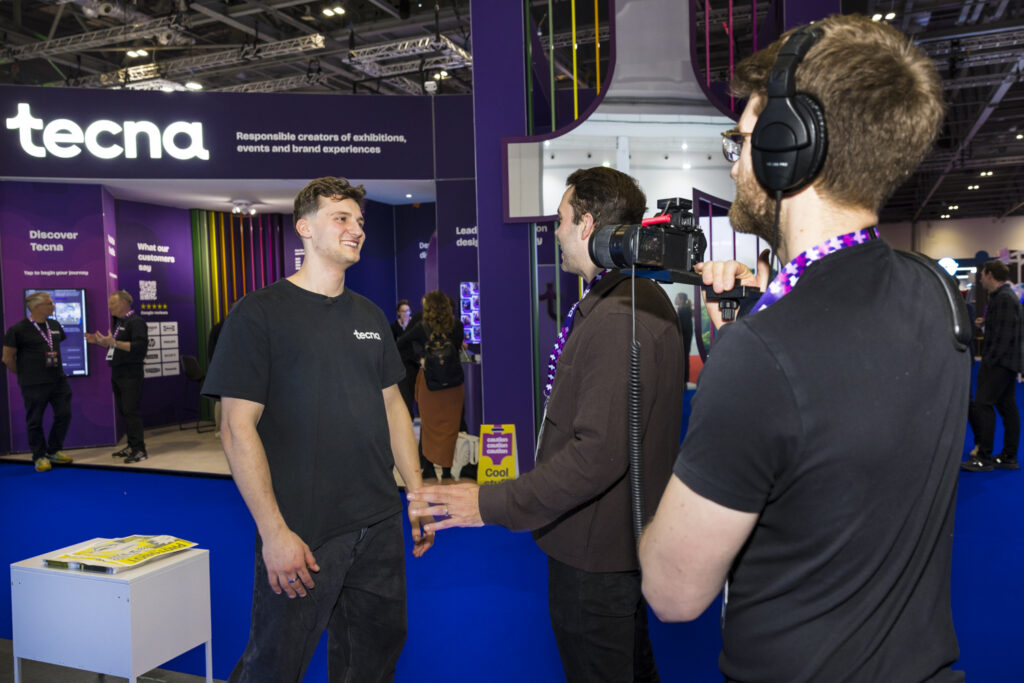
How to Brief Your Exhibition Videographer & Photographer
A strong creative brief should include:
Your Goals
Lead generation? Brand awareness? Recruitment? Social growth?
Content Formats Needed
• LinkedIn clips
• Reels
• Website banners
• Testimonial edits
• Photography
• Product demos
Be as specific as possible with sizing and quality requirements.
Priority People
Who must be filmed or interviewed? (Name, organisation and job title included to enable that information to be added into the edit)
Key Messages
What themes matter most? What are your key phrases or key point you want made?
Posting Plan
Will content go live during the event? If so, on what channels, what times are your peak times and do you have a posting plan to avoid overwhelming channels. Aim to optimise your content for each platform instead. Whose responsibility is it to post? Is there a sign off process? Does everyone have the correct permissions and access?
Deliverables
Clarify:
• Clip length
• Orientation
• Editing style
• Turnaround expectations
• Quantity of edits
• Examples
The clearer the brief, the stronger the output. Don’t forget to share your brand guidelines too!
High quality exhibition photography and videography needs a high quality location for shooting, that’s what Team Tecna can provide for your next show.
Get in touch today and learn how we can bring your brand to life, so you can focus on creating your compelling on-stand content.