Want your exhibition to run smoothly and deliver real results, without any last-minute stress?
In this walkthrough, we’ll map out the exhibition timeline step by step, so you know when to act and how to keep momentum high from brief to final build.
Everything here comes from real collaboration on real exhibitions. Since 2007, Tecna has partnered with brands across industries to plan and deliver hundreds of events, bringing teams, suppliers, and timelines together so performance guaranteed before the show doors open.
This is how we make it happen.
Understanding your exhibition goals and objectives
Before timelines or design, get clear on one thing: what does success look like for you at this exhibition? Your planned outcomes for success will give everything direction, from how the stand is designed to how your team engages on the day.
Start by deciding the primary outcome you’re aiming for. For instance:
• If brand awareness is the goal, the stand should prioritise visibility, storytelling and longevity. Think bold messaging, confident branding, moments that stop people mid-walk and pull them in and something to remember you by.
• If lead generation matters most, design for interaction. Clear engagement points, easy data capture, and a follow-up plan that’s ready to be deployed.
• If sales is the focus, the stand needs space for deeper conversations to promote cleaner and faster conversions. Product demos, comfortable meeting areas, and room to build real one-to-one connections without feeling rushed.
Once the goal is clear, set KPIs that match it. Leads captured. Meetings booked. Demos delivered. Conversations. These metrics give the exhibition direction and will help you work out what content to have on your stand, it will make success easy to measure once the show is over if you plan in advance.
The ultimate exhibition timeline: step-by-step breakdown
We’re breaking the exhibition timeline down stage by stage, showing you what to start early, which decisions have an effect on everything else, and how each step contributes toward a stronger show performance for your brand.
9–12 months before the exhibition
This phase sets the direction. Planning and strategy are pivotal so try not to skip ahead.
Selecting the right exhibition
Start with your audience. Who do you want to talk to and where are they, who do they listen to, and which events already have their attention? The right exhibition isn’t always the biggest, choose the one that puts your business in front of the right people, in the right environment, flashy names or large scale conferences can feel tempting but align where you go to who your ideal customer profile and ignore the hype.
Budget planning and internal approvals
Signing off your overall budget early changes everything. It will enable you to move faster and explore ideas properly, without second-guessing every decision or pulling things back at the last minute.
Look beyond the stand itself too. Factor in staff costs, travel, hotels, food and drinks, merch, plus transport and logistics for everything you’re bringing with you. Things like reliable WiFi often come with venue charges, so it’s worth checking on those early as well. if you need a large power supply or want to demo a lot of products speak to us early, there are often discounts before set dates and we can help you navigate the additional costs and work out exactly what you need.
Not sure what to allow for? Our guide to budgeting for an exhibition breaks down what to include and why.
Booking exhibition space
If you can book a year in advance, do it. Early bookings give you better stand locations, more layout options, and far more freedom when it comes to design. Where your stand sits affects how visible you are and how people move through the space. Being first at the entrance or an island stand will have pros and cons, consider the layout of the exhibition, think about footfall and high traffic areas and where people will naturally congregate to help you make your decision. It is also worth considering who is around you and contacting them to find out what they’re planning.
Choosing your space
You’ll also need to choose the type of stand you want:
• A space-only stand is an empty floor space. You start from scratch, which means full control over structure, layout, branding, and experience. You have freedom to arrange for a modular, bespoke or even hybrid stand.
• A shell scheme is a pre-built stand often provided by the organiser. It usually includes walls, basic lighting, and flooring. It’s a simpler option that works well for smaller stands, first-time exhibitors, or anyone wanting a straightforward setup.
Early supplier research
Now’s the time to decide how you want to work. You might manage multiple suppliers internally, or you might choose a fully project-managed approach. Exhibition partners like Tecna handle design, build, logistics, compliance and delivery together, keeping the whole project moving as one.
6–9 months before the exhibition
Right now, the show might feel a long way off, but timelines move fast.
Establishing your exhibition strategy
What do you want visitors to remember about your brand once they’ve walked away? Not everything! Pick one clear idea. Whether it’s innovation, a new product, your core message, your sustainability initiatives, that message shapes the stand, the experience, and how your team engages on the day. A clear strategy stops mixed messages and keeps the entire project focused.
Choosing the right type of stand
There are a few different stand types to choose from, and the right one depends on how often you exhibit, how flexible you want to be, and what you want the stand to do.
• A custom, bespoke stand is usually built specifically for one event. It can look impressive and highly tailored, but it’s usually designed for single use, which means higher costs, more waste, and limited flexibility for future shows.
• A modular stand combines the best of both worlds. It’s made from reusable components that can be reconfigured for different exhibitions. You get a high-quality, custom look with far more flexibility. You can rent or purchase the T3 system and you can also add bespoke elements to make the design feel fully tailored.
If you’re opting for a custom stand, you’ll need to allow more time as everything is built from scratch. Modular stands can still be fully customised, but the core structure is in stock and ready to go which is one reason why we use them at Tecna when the brief requires it.
Initial stand design ideas
Before anything is built, this stage is all about getting clear on how your stand should work.
A good exhibition stand partner will sit down with you, understand what you’re trying to achieve, and design a stand that supports those goals and hopefully inspires you with some new, fun, options too. That usually means talking through the key design elements below:
• Colour as one of your strongest tools. Using your brand colours confidently ensures the stand feels unmistakably you. From there, think about the mood you want to create. Brighter tones can feel open, energising, and welcoming. Deeper shades can bring focus or a premium feel when balanced with the right lighting. Your designer should work with you to explore your brand guidelines.
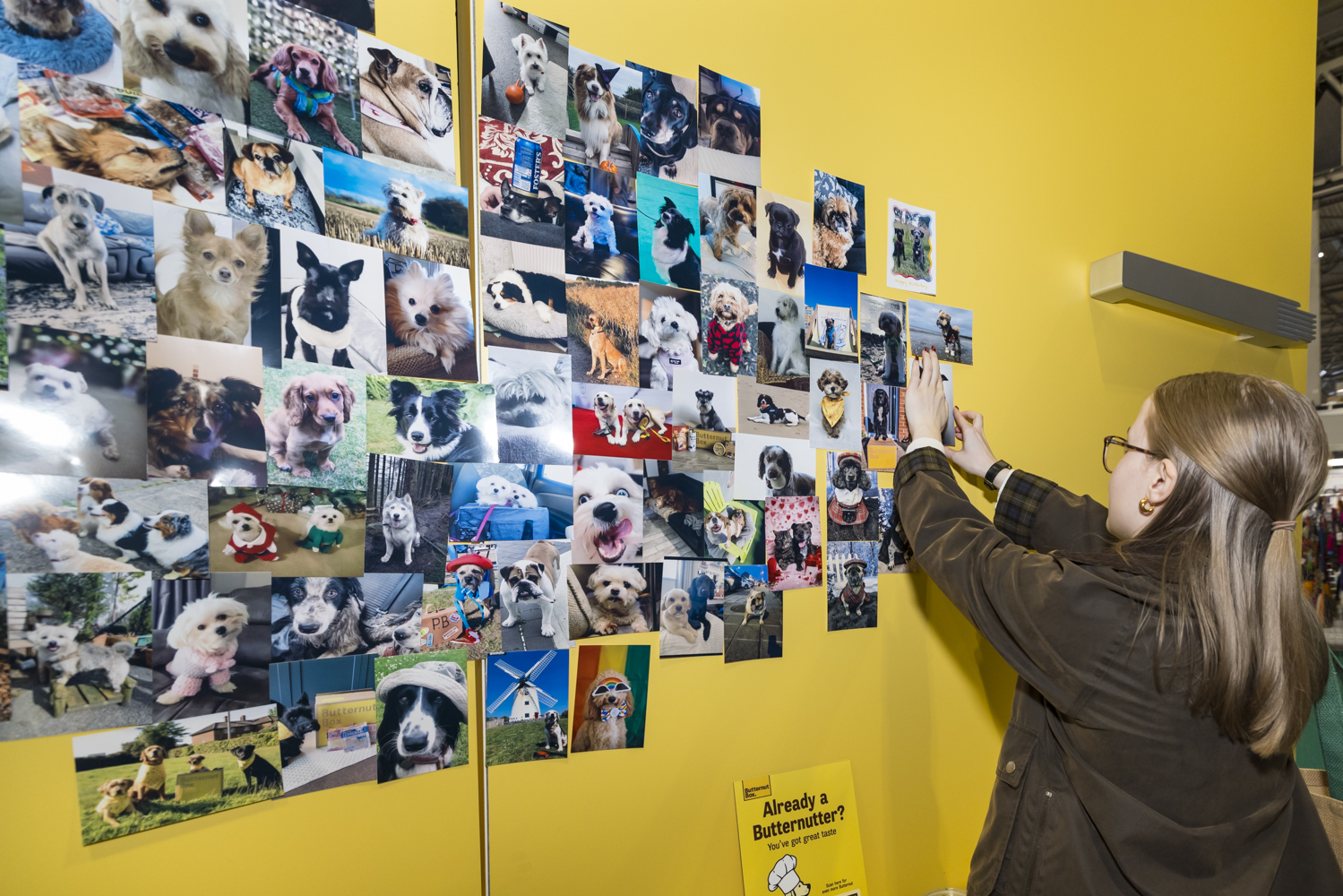
• Graphics should engage. When they’re done well, they reinforce your story and make it easier for visitors to understand your value in seconds. Butternut Box’s exhibition stand is a great example. Their graphics amplify their brand values around fresh dog food, communicate benefits quickly, and guide visitors toward their activation, the “Howl of Fame.”
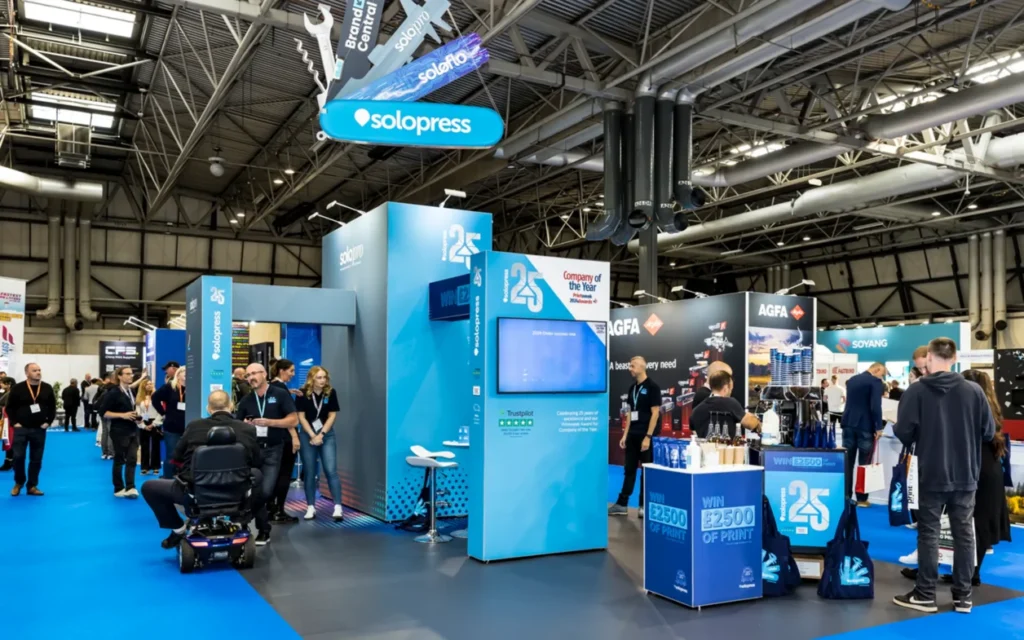
• Structure then brings everything together. Clear sightlines help visitors instinctively understand where to go, whilst defined zones create space for demos, conversations, and meetings without making the stand feel closed off. Solopress’s exhibition stand shows how this works, meeting areas are clearly set out, yet the stand remains open, welcoming, and easy to navigate.
Curious to see what’s possible? Dive into our guide on how to design an exhibition stand.
4–6 months before the exhibition
With six months to go, it’s time to get clear on the ideas you want to move forward with.
Submitting your exhibition brief
If you can, aim to have your exhibition brief ready at this point. A clear brief gives your partner a solid starting point: what you’re trying to achieve, what the stand needs to do, and any must-haves. It keeps everyone aligned and the project moving forward. The brief should include information about the show and the venue to ensure compliance to any pre-set guidelines.
Concept design and initial visuals
Once the brief is in, concept design begins. This is where you should start seeing early design visuals, sketches, layouts, and CAD concepts that bring the stand to life. These visuals explore structure, flow, and overall look and feel, helping you understand how the stand will work on the show floor before anything is built.
This stage is about sense-checking ideas early. What works. What needs refining. And how the stand will perform from every angle. Getting this right here gives the rest of the timeline a strong, stable foundation.
Start marketing and promotional planning
Now’s the time to shout about it. Starting marketing early gives your audience plenty of notice and builds anticipation before the event. Save-the-date emails, social posts, teasers, product announcements, and outreach to existing customers. The earlier you start, the more value you get from being there. It’s also great to book meetings in advance if you can and make sure you highlight any promotions you’re planning to drive awareness and interest.
Design on-stand marketing materials and giveaways
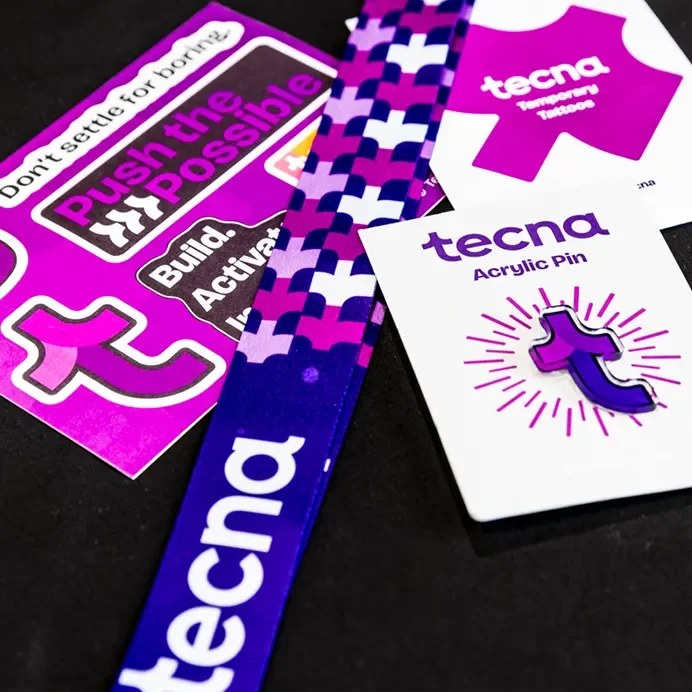
This is also when you start designing what people will interact with on your stand and take away afterwards. Brochures, flyers, product sheets, and giveaways should add real value, something useful, memorable, and genuinely aligned with your brand. This is your chance to go beyond the standard pens and stress balls and create materials that support your message and keep the conversation going long after attendees move on.
3–4 months before the exhibition
This is where the detailed work kicks in. Now that the team has set the big ideas, we need to plan how to make everything run smoothly on site.
Confirming exhibition stand design
At this point, the team signs off the full design, reviewing the layout, structure, graphics, lighting, and any interactive elements together to ensure the stand makes a big impact on the show floor. Once everything’s confirmed, the design is ready to move confidently into build, giving production a clear, accurate brief and keeping the rest of the timeline on track.
That said, this step doesn’t always have to happen months in advance. If timelines are tighter, design sign-off can happen much closer to the event – as long as everyone’s aligned and ready to move. The key is clarity, whether you’re working well ahead or turning things around fast.
Finalising logistics and health and safety details
Now’s the time to lock in the practical essentials. Power, lighting requirements, WiFi, access times, risk assessments, and venue rules and submissions all need to be confirmed. Getting these sorted early avoids a last-minute scramble and ensures the stand can be installed, operated, and dismantled without issues.
Ordering AV, lighting, graphics, and furniture
Once you sign off drawings, it’s go time. You prep screens, lighting, sound, printed graphics, furniture – all pieces that turn the design into a real, working stand.
At Tecna, we take care of this for you. We handle the ordering, coordinate suppliers, and make sure everything lines up with the build and install schedule. Getting this done early keeps costs in check and means everything turns up ready to plug in and perform on site. We also submit documents and venue compliance forms on your behalf, keeping ahead of the show deadlines.
2–3 months before the exhibition
Now the focus shifts to the people side of the exhibition.
Staff selection and training planning
Your stand team is an asset. Exhibitions are busy, fast-moving environments, and visitors take cues from the people on the stand. Staying visible, engaged, and approachable makes a huge difference, that means phones away where possible, open body language, and eye contact.
And if anyone feels unsure, that’s completely fine. Tecna provides training to help teams feel ready to engage, so everyone steps onto the stand feeling empowered and excited to get involved.
Travel and accommodation bookings
Once the team’s agreed, get travel and accommodation organised early. Aim for hotels close to the venue, plan how people and materials will get there, and share clear schedules so everyone knows what’s happening and when. Sorting this ahead of time keeps the team relaxed, prepared, and ready to perform.
Tecna will book and organise the transport of your stand, being mindful of the event timings. Bookings can be complex so it’s important to account for everything and book your loading time as early as possible.
Exhibition stand build training
If you’re using a modular stand, building it yourself can be very straightforward. Modular systems are designed to slot together easily, with no specialist tools required. With the right guidance, your team can feel confident putting the stand together and making small adjustments on site.
Of course, you always have the option of having your exhibition partner manage the build for you. But if you’re planning to self-build, it’s well worth getting proper training beforehand.
1–2 months before the exhibition
This is the stage where everything gets lined up and ready to move. The big decisions are done, now it’s about making sure delivery runs smoothly.
Confirming logistics, storage, and transport
Make sure to confirm how everything gets from A to B. Stand components, products, marketing materials, snacks, all of it needs a clear plan for storage, transport, and delivery to the venue.
Printing graphics and marketing materials
With designs signed off, graphics and printed materials can go to print. This includes stand graphics, signage, brochures, giveaways, and any on-stand messaging. Printing at this stage allows time for checks, reprints if needed, and a smooth handover into logistics.
1–2 weeks before the exhibition
One week to go? Is it time to panic yet? No, never!
Final checks
Now’s the time to run through the full checklist. Confirm logistics are booked, and delivery times are locked in with the venue. Make sure graphics, AV, furniture, and kit are all accounted for and heading to the right place. Ensure merch and perishable goods are being transported in the right way. Create the final rounds of content and ensure your on-site plan has been shared.
Staff briefings and schedules
Bring the team together and set everyone up for success. Share schedules, stand objectives, key messages, and who’s doing what on the day. Make sure everyone knows when they’re on the stand, when breaks happen, and how handovers work. A well-briefed team feels confident, focused, and ready to engage.
Contingency planning
Even the best plans need a backup. Think through the “just in case” moments – delayed deliveries or last-minute changes. Knowing who to contact and what to do keeps small issues from becoming distractions. With a simple contingency plan in place, the team can stay relaxed and keep momentum high no matter what comes up.
See your stand build in person or over video
With the right exhibition stand partner, you don’t have to wait until show day to see how your stand comes together. You should be able to check it out in advance (in person or remotely) so you know exactly what’s heading to the hall.
At Tecna, we prebuild all of our stands in our warehouse in advance of build day, we offer a walk-through in the showroom or video presentation. It’s your chance to see the build properly and sense-check the details. It’s a good time to ask about storage, reuse or how to keep your graphics looking good after the show.
The day of the exhibition
This is it. The doors are about to open, and everything you’ve planned comes together.
On-site installation and setup
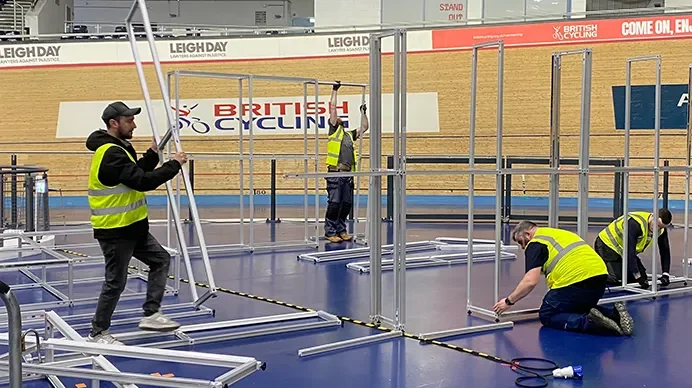
If you’re building your exhibition stand yourself, give yourself more time than you think you’ll need. Extra time lets you work calmly, make smart adjustments, and get everything looking exactly how you want it.
If you’ve got a partner managing the build, this is where you can really relax. They’ll handle the install, coordinate with the venue, and keep everything moving smoothly, leaving you free to focus on the bigger picture. However you do it, arriving on-time and allowing breathing room sets you up for a confident, stress-free start.
Final stand checks
Before visitors arrive, take a final look around. Check lighting levels, screens, sound, messaging, and demo areas. Make sure the stand is clean, stocked, and working as it should. These last checks are small, but they make a big difference to how confident the space feels once the show starts. Take photos when the stand is empty too.
Team walkthrough and readiness check
Bring the team together on the stand before doors open. Walk through the space, remind everyone of the goal, and run through the plan for the day. Who’s greeting visitors, where conversations happen, how leads are captured. This quick reset gets everyone aligned, focused, and ready to go. Make sure you have your daily activities and content planned out and ready to go.
Measuring exhibition success post-event
The exhibition doesn’t stop when the doors close. In fact, what you do next is where a lot of the value really kicks in. These three steps help you keep the energy going and make sure all that effort actually pays off.
• First up, don’t let leads vanish into a spreadsheet graveyard. Decide before the show how leads will be sorted, who’s responsible for them, and how they’ll be passed over to sales or account teams. When the handover’s clear, nothing gets missed.
• Then, move quickly. Timely follow-ups matter more than people realise. Whether it’s emails, calls, content or demos, reaching out while the conversation is still fresh makes a huge difference. The faster you act, the more natural and meaningful those next steps feel.
• Finally, go back to the goals you set before the show and measure against those. That might be leads generated, meetings booked, sales influenced, or brand engagement. Look at both the numbers and the insight behind them, aim to understand what worked, what drew people in, and where the stand performed best. This learning fuels the next exhibition and helps you push further every time.
Why planning your exhibition timeline early is critical?
When the timeline is set early, everything that follows gets sharper. Here’s why getting ahead makes such a difference.
Budget certainty and supplier availability
Planning early puts you back in control. Budgets stay clearer because choices are made before costs start creeping up. The right suppliers are available, lead times are realistic, and you’re not struggling to make things fit at the last minute.
Reduced stress and last-minute risks
Early timelines mean fewer fire drills. Big decisions are locked in sooner, designs get proper review time, and details like logistics, electrics, WiFi, access times and venue rules are checked before they turn into problems. Everything feels more manageable.
Better stand design outcomes
Great design needs breathing space. Early timelines give us the freedom to explore ideas, test layouts, refine experiences, and innovate with purpose.
That said, tight turnarounds don’t faze us at Tecna! We’re used to moving fast when needed and delivering under pressure without losing focus on detail, quality or impact. Early planning just gives you more freedom.
The 20-point exhibition checklist by Tecna
That last-minute panic? Gone. We created a 20-point exhibition checklist to keep everything clear and moving in the right direction.
It works just as well if you’re exhibiting for the first time as it does if you’ve done this before. First-timers get clarity and structure. Repeat exhibitors get a fast way to stay organised and spot gaps early.
Turn your next exhibition into a breakthrough moment with Tecna
Your exhibition should feel exciting, not exhausting.
At Tecna, we partner with you to dream bigger, think bolder, and build exhibition stands that don’t blend in. From bold ideas to logistics, build, breakdown, and everything in between, we handle the moving parts so you can stay focused on making an impact.
We challenge the ordinary. We push limits responsibly. And we design bespoke, functional, sustainable stands packed with ideas that stop people in their tracks and invite them in.
Ready to make your next exhibition impossible to ignore?
Build your exhibition stand with Tecna.
Frequently asked questions
Your biggest exhibition planning questions, answered.
-
What are the steps of an exhibition?
The steps of an exhibition follow a clear process: define the goal, plan the experience and marketing outcomes, design the stand, move into construction, deliver on site, and review performance afterwards. A strong process keeps everything moving forward and ensures each stage builds toward a stand that performs on the show floor.
-
What are the 5 P’s of event planning?
The five P’s of event planning are price, people, product, place, and promotion.
- Price sets the boundaries for every decision and keeps the plan realistic.
- People keeps the focus on who the event is really for and how they experience it.
- Product is the experience you deliver, from the stand and messaging to what attendees interact with on the day.
- Place defines how everything comes together through the venue, layout, and positioning.
- Promotion drives who turns up and how engaged they are before, during, and after the event.
-
How long does it take to plan an exhibition?
Planning an exhibition ideally takes six to twelve months, giving you time to design properly and prepare for attendees without rushing decisions. Shorter timelines are possible, but more time always means more control.
-
When should I book an exhibition stand builder?
You should book an exhibition stand partner six months before your event if possible. That gives enough time for design, planning, and coordination, and if you want full project management (especially alongside other events) bringing them in earlier allows smoother venue liaison and fewer last-minute changes.
-
Can you plan an exhibition stand in under three months?
Yes, you can plan an exhibition stand in under three months. That said, earlier exhibition planning gives you more creative freedom and a better chance of creating a lasting impression.
-
What time do you need to plan your own exhibition?
Planning your own exhibition usually works best with at least twelve months’ lead time, whether it’s part of a trade show or a standalone experience you need to arrange from scratch. That time gives you space to plan the layout and avoid last-minute compromises, and if you’re thinking about design early, our exhibition design guide is a solid place to start.