Brand activation is all about bringing your brand to life in a way that makes people feel something – and act on it.
But real impact doesn’t happen by accident. It takes bold thinking, creative precision, and, above all, a rock-solid brand activation strategy.
Backed by Team Tecna, this step-by-step guide to creating a brand activation strategy draws on years of hands-on experience helping hundreds of brands break through the noise. From household names to fearless startups, we’ve supported teams in transforming ideas into immersive experiences that connect, convert, and inspire.
Ready to unlock the full power of your brand? Here’s how to make it happen.
What is brand activation?
Brand activation is the art of bringing your brand to life through meaningful, two-way interactions with your audience. It’s not about broadcasting a message, it’s about creating moments that move people into action.
Whether it’s a live event, an immersive online experience, or a clever social campaign, brand activation often focuses on experiential marketing – sometimes called engagement marketing – to connect with your target audience in ways that feel personal, exciting and unforgettable.
It’s how you translate your brand’s values and brand identity into experiences. Experiences that get people talking, sharing and remembering who you are.
In a marketing world full of noise, brand activation cuts through. It invites your audience to take part, not just take notice you.
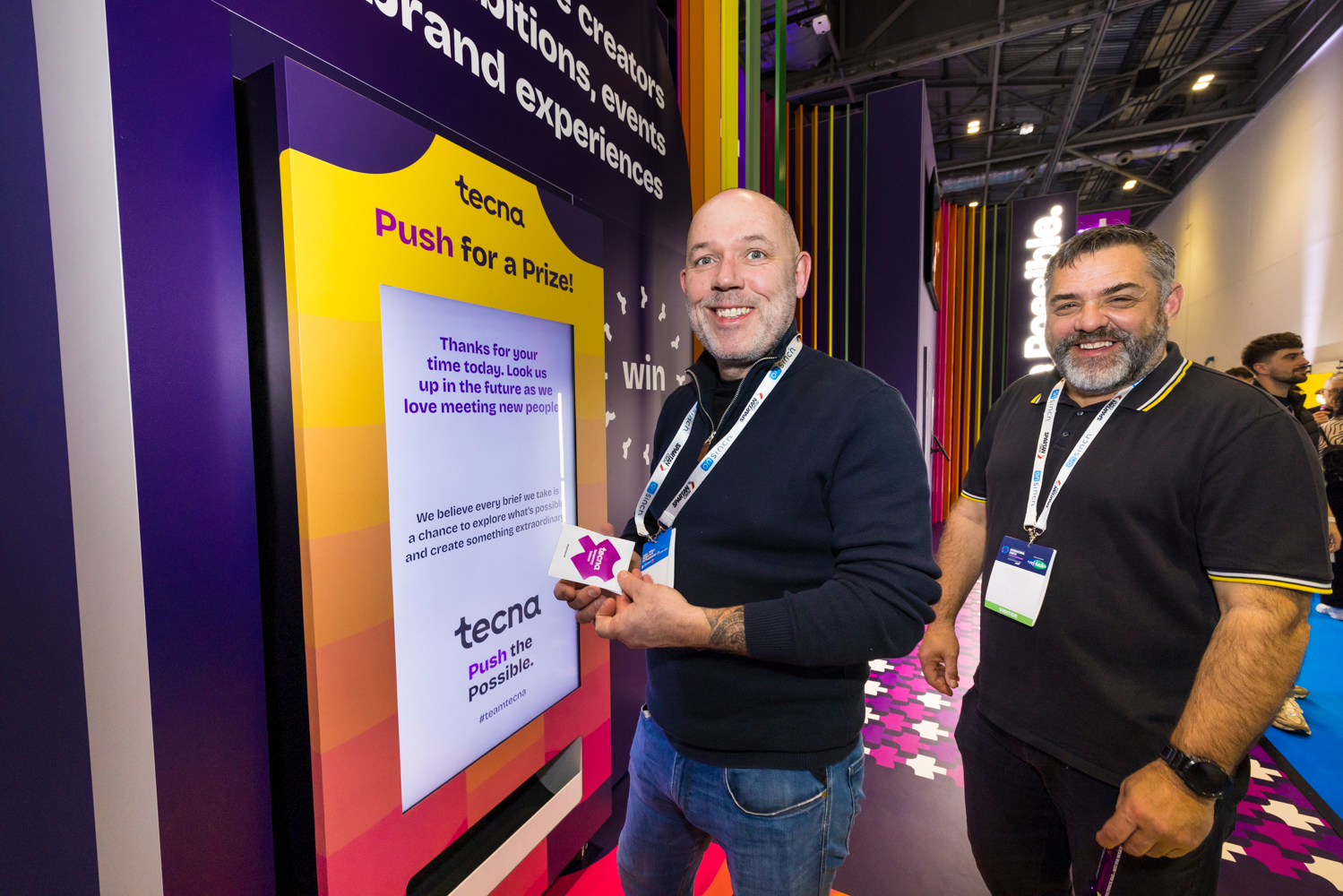
Brand activation strategy
A brand activation strategy is your step-by-step game plan for making those powerful experiences happen. It’s how you go from bold ideas to real impact. And it’s how you make sure your activation efforts don’t just grab attention as a one-off activity, but deliver results.
This type of marketing strategy is rooted in clear goals:
• Who is your target audience?
• What do you want to achieve?
• How can you align the experience with your brand identity and brand values?
The best brand activation strategies use these insights to map out where, when and how a brand should show up – and to create memorable experiences that leave a lasting impression.
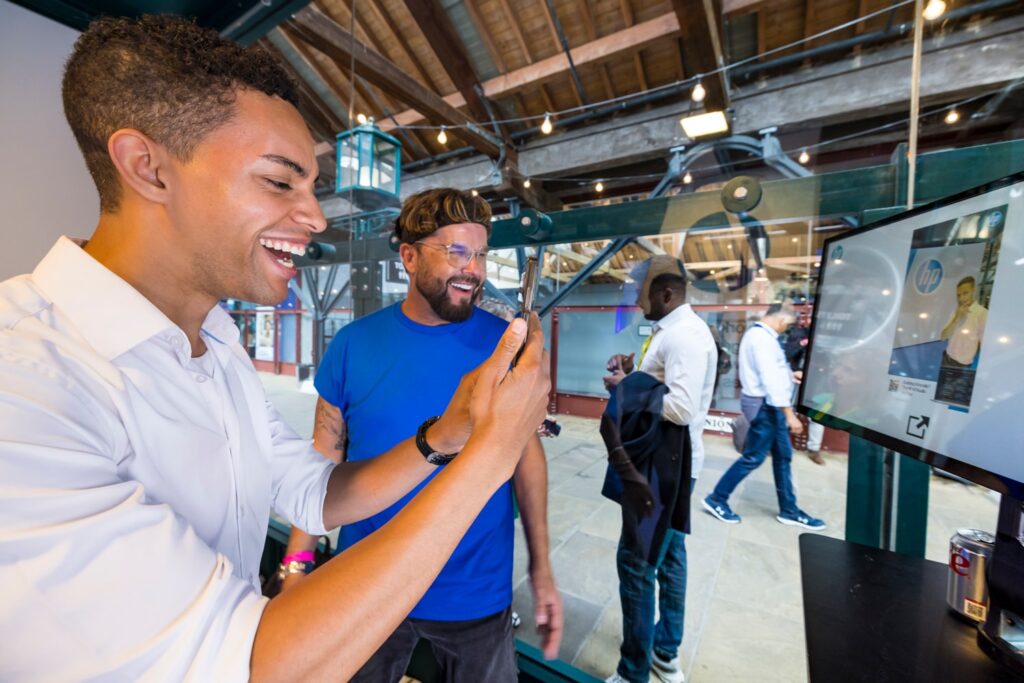
Why is brand activation important?
Let’s go into more detail on what makes brand activation campaigns worthwhile.
Creating an emotional connection and driving brand loyalty
People remember how you make them feel. Through meaningful, human-first interactions, brand activation efforts give your audience a chance to connect with your brand personality on a deeper level.
This is how you build brand loyalty that outlasts trends, seasons and competitors.
Building brand awareness in unforgettable ways
Great brand activations make your brand impossible to ignore. From immersive experiences to digital storytelling, these campaigns are designed to increase brand awareness by making people stop, engage and share.
You don’t just show up. You show up big time.
Turning engagement into real results
Here’s the game-changer: brand activation drives sales.
When done right, it creates the perfect bridge between experience and action. Whether that’s a product trial, a QR code scan, a signup or a purchase, brand activation gives your audience a reason to act in the moment.
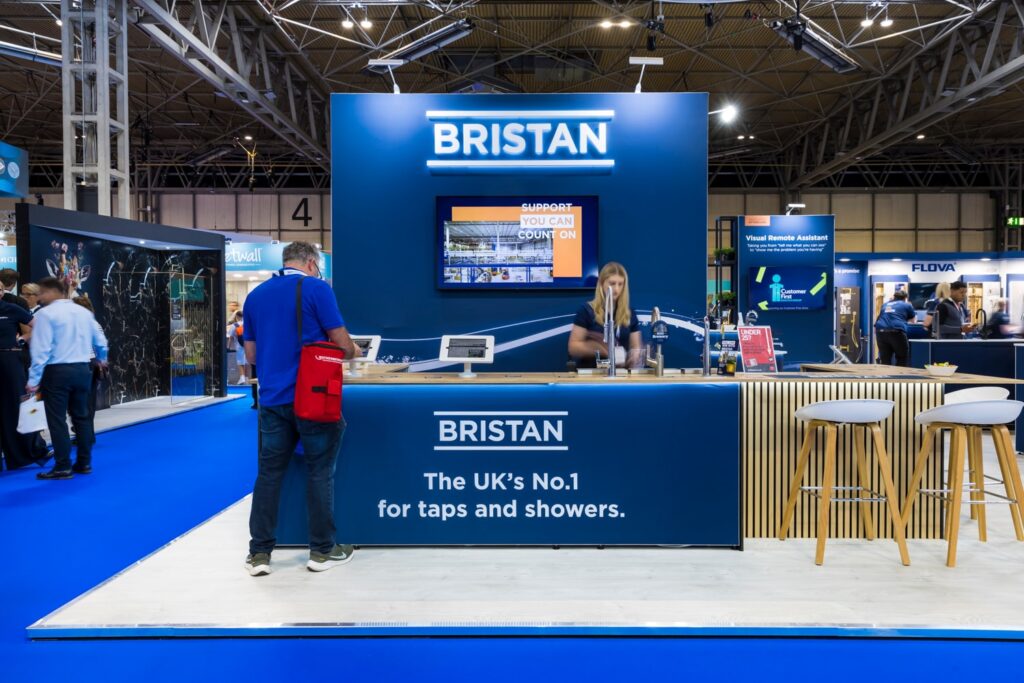
Types of brand activation
Here are some powerful ways to boost brand awareness, build brand affinity and create real engagement.
For a detailed look at each one, complete with real-life examples, head over to our blog on the types of brand activation.
• Event Marketing – Think large-scale activations: exhibitions, trade shows, conferences. These are prime opportunities to meet your business audience face-to-face, showcase your expertise and deliver a brand experience they won’t forget.
• Pop-Up Experiences – Short-term, high-impact and always memorable. Pop-ups are designed to generate buzz and turn everyday spaces into immersive brand playgrounds.
• In-Store Brand Activation – Elevate your retail presence with live demos, exclusive promotions or hands-on experiences. Engage shoppers at the exact moment of decision-making and leave a lasting impression.
• Digital Campaigns – Go beyond ads. Digital marketing campaigns can include interactive apps, VR or gamified experiences – anything that creates an emotional connection, and ideally shareability.
• Guerrilla Marketing – Guerrilla marketing uses the unexpected to draw attention. Whether it’s street art or a stunt in a high-footfall location, guerrilla tactics create serious word-of-mouth impact and virality.
Brand activation ideas
Let’s bring this to life. Here’s how you might match the different types of brand activations to real goals:
• Launching something new? Create a branded ‘first look’ product launch event that previews your product in a themed setting, like headphones in a silent disco booth.
• Looking to build trust with potential customers? Create a ‘test and win’ challenge where participants try your product and enter a competition by sharing feedback on social media.
• Need to capture leads? Use a digital spin-to-win game at a trade show to collect emails in exchange for branded prizes or discounts.
Step-by-step guide to creating a brand activation strategy
Building a strong brand isn’t about shouting louder; it’s about showing up smarter. That’s the power of a well-crafted brand activation plan.
This is your roadmap. A step-by-step guide to shaping experiences that move your audience to action. Ready to push the possible? Let’s dive in.
Step 1: Understand your brand inside and out
What’s your brand’s mission? What do you stand for? What makes your brand voice different from the rest of your industry?
If you don’t already have a brand playbook, create one that defines your vision and brand personality. This is your activation’s foundation. Everything from the visuals to the experience itself should reflect your brand voice and support your long-term positioning.
If you’re not sure where to start, think about it this way: if your audience meets your brand for the first time through this activation, what impression do you want to leave, how would someone describe your brand, what would it mean to them?
Step 2: Define your goals and KPIs
Every impactful activation starts with clear marketing objectives. Are you looking to increase brand awareness? Build a community? Drive engagement, sign-ups, or generate leads?
Without a clear goal, even the most creative activation can miss the mark. Your objectives give your activation purpose and direction.
Once you’ve defined your goal, break it into measurable parts. That means tracking key performance indicators (KPIs) such as:
• Social media engagement (likes, shares, mentions)
• Leads captured or emails collected
• Event footfall or dwell time
• Sales revenue
Step 3: Identify and understand your target audience
Remember, your audience isn’t just a demographic – it’s a living, breathing group of people with emotions, behaviours and expectations. Go deep and build detailed personas based on:
• Demographics: Age, location, job title, company size and industry
• Psychographics: Pain points, motivations and decision-making triggers
• Behaviour: Buying habits, interests and preferred channels
Use surveys, CRM data, LinkedIn, and tools like Google Analytics to get the full picture. When you truly understand your target audience, you can create activations that feel like they were designed just for them – because they were.
Step 4: Choose the right brand activation approach
Choosing the right brand activation approach means thinking strategically about how your audience wants to engage and ultimately driving brand awareness.
Start by revisiting your goals. Want to create buzz for a product launch? A pop-up experience or social media campaign might be your moment. Looking to build trust? In-store sampling or interactive demo zones can offer real value.
Not sure where to start? You don’t have to go it alone. Look for a brand activation partner who can help you shape the idea, design the experience, and deliver it flawlessly. Working with specialists like our team at Tecna can help you avoid guesswork and turn your concept into something special.
Step 5: Create engaging and memorable experiences
This is the heartbeat of your activation. Whether you’re planning a hands-on activation or a fully digital campaign, your aim is to create memorable connections that feel personal, playful, or powerful.
Some examples of ways you can inject life into your brand activation are:
• Gamified challenges – Think mini games or puzzles that explain your product while keeping the energy high. These work especially well on exhibition stands.
• Creative giveaways – Everyone loves to win. From QR-activated prize draws to themed gifts, giveaways spark curiosity and create reasons to engage.
• Multi-sensory design – Use soundscapes, textures and lighting to tell a story your audience can feel, touch, see and smell. A brand that surrounds you is a brand you remember.
• Live product demos – Show, don’t just tell. Let people get hands-on with your product, explore features and discover the value for themselves.
Step 6: Integrate social media strategically
Your social media platforms are a launchpad, an amplifier to your big idea and a memory bank for your activation. Don’t just hope for buzz, engineer it with a deep digital marketing campaign around it.
Before your campaign launches, prep your channels:
• Tease the activation to build anticipation
• Create a branded hashtag that’s easy to remember (and spell!)
• Encourage content creation with incentive-based prompts or social media contests
• Prep your team and your agencies to help support and share
During the activation, go live, post Stories, and engage in real-time. After? Reshare, celebrate and thank your brand advocates for being part of it.
Social media should never be an afterthought. It’s where your activation gains momentum and lives on long after the curtain drops, reaching more and more potential customers.
Step 7: Launch, monitor and optimise
You’ve planned it. You’ve built it. Now unleash it. But the work doesn’t end when the doors open. In fact, that’s when the data starts to roll in.
Use real-time dashboards to track KPIs, monitor social engagement and watch conversions happen. Spot what’s working, flag what’s not and stay agile – never be afraid to course correct if the data is telling you something needs to change.
Then, when the dust settles, it’s time to review, reflect and refine. What stories did the data tell? What will you do differently next time?
Need a clearer view of what to measure? Head to our guide on measuring brand activation – and turn insight into your competitive edge.
Real-world examples of brand activation strategies
Below are three in-depth brand activation examples that show how immersive experiences, clever concepts and strategic planning come together to achieve real impact in your marketing efforts.
Each activation reflects a deep understanding of the brand, audience, and purpose – key elements in any effective brand activation plan.
1. Royal College of Midwives
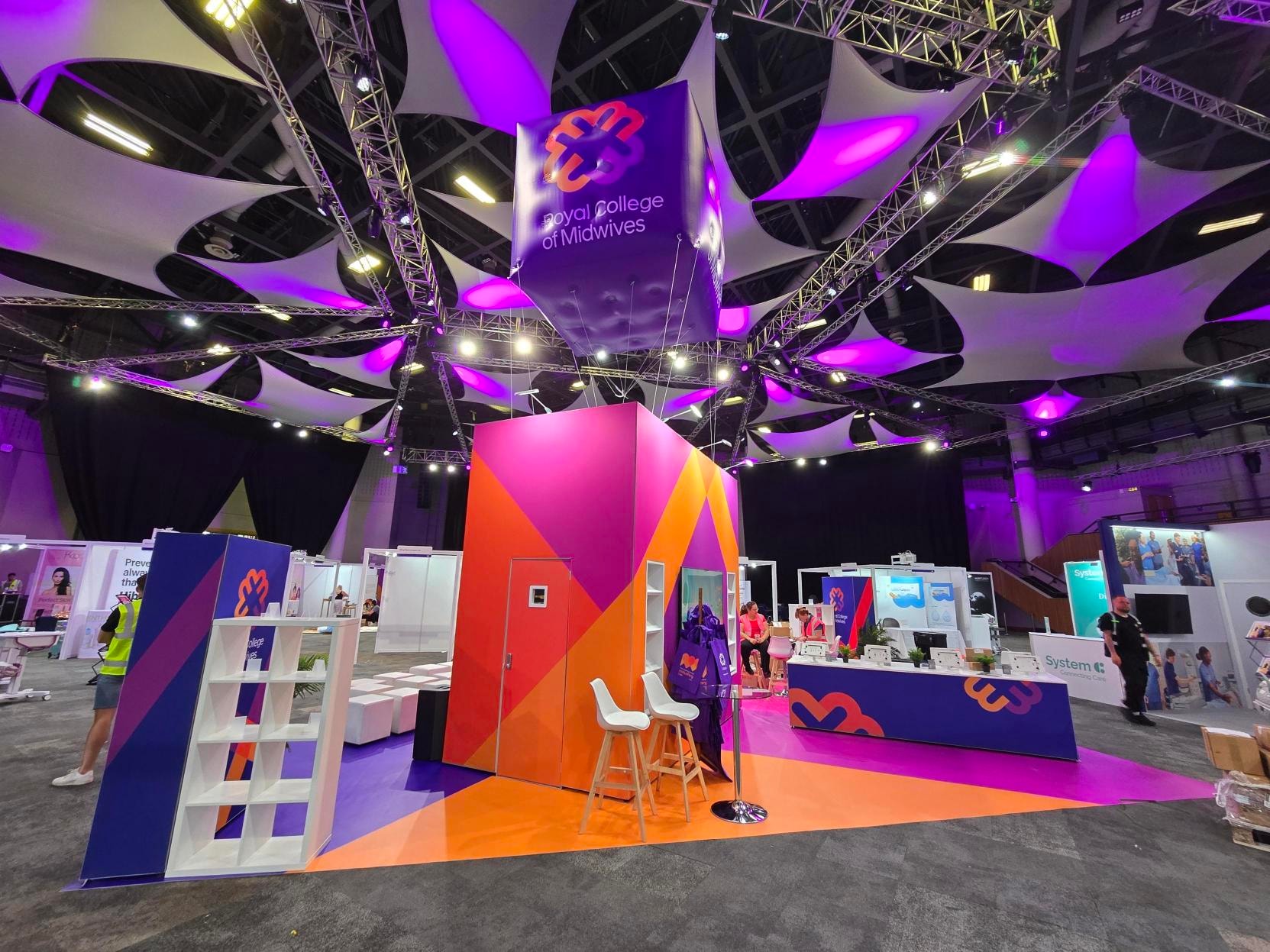
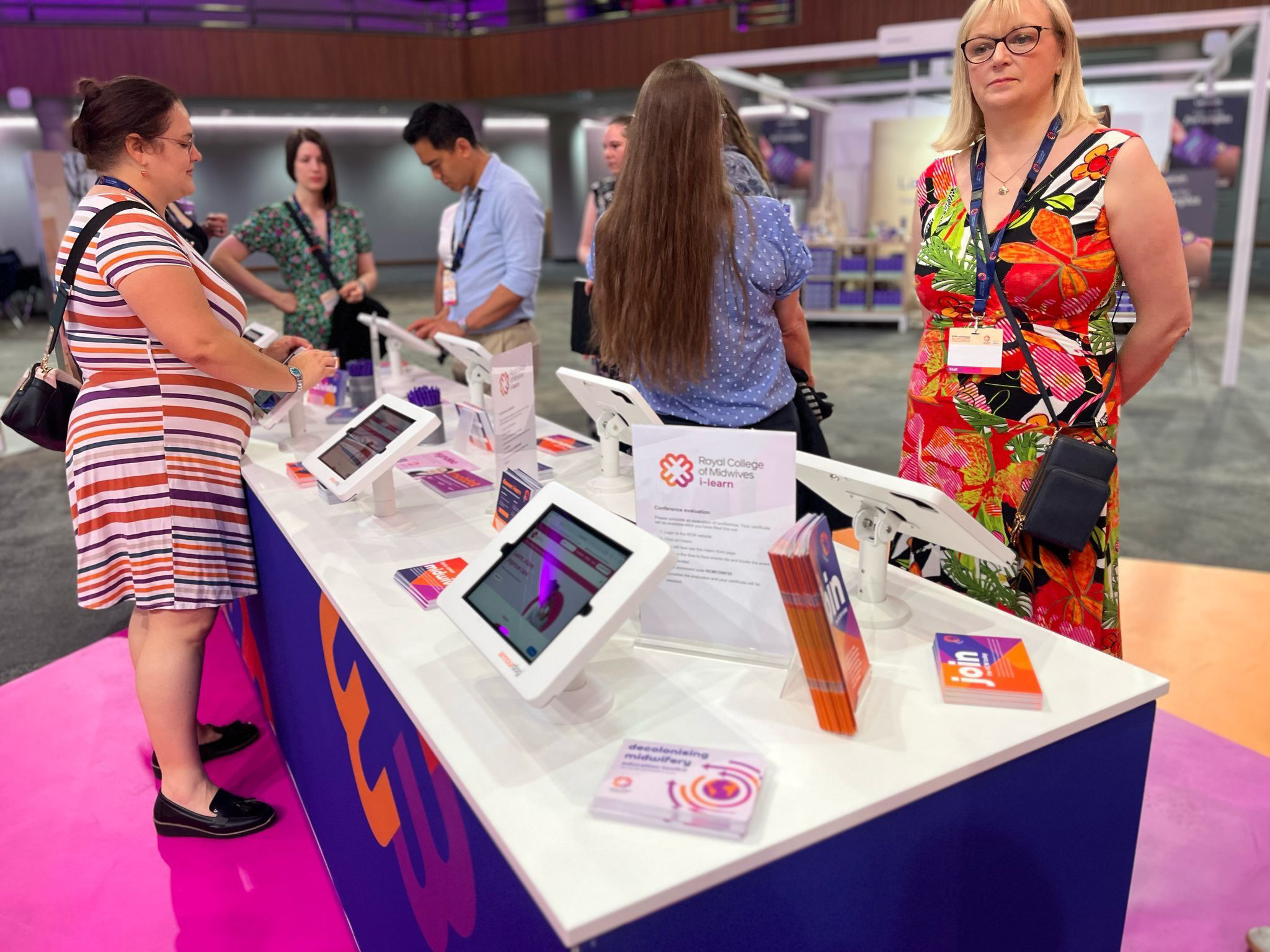
At the RCM Annual Conference, the Royal College of Midwives needed a brand stand that could do more than just look good. It had to be functional, welcoming and interactive – a true reflection of the organisation’s values and purpose.
Key brand activation features included:
• A multi-purpose space, which gave the brand a platform to share knowledge in a memorable, face-to-face format.
• A giant overhead balloon with rigged lighting to capture attention from across the venue and reinforce brand visibility through bold, elevated design.
• A networking area for hosting guests and VIP visitors, adding a touch of exclusivity and comfort to the environment.
• Interactive tablets, allowing attendees to explore digital resources at their own pace and bringing a tactile, self-guided layer to the experience.
2. Adidas
Adidas’ Jump Store is a standout pop-up activation that blended brand identity with playful competitiveness. The concept was simple: a custom-built wall with shelves stacked with free pairs of Adidas trainers, positioned 10 feet high. Visitors were invited to leap for a pair – if they could grab one, they kept it.
This activation hit multiple goals. It created a queue-worthy buzz, provided an opportunity for user-generated content, and embedded Adidas in the minds of a young audience as well as tap into their influencer marketing strategy by including them. It also incorporated gamification, a growing trend in experiential marketing, encouraging physical participation and friendly competition.
3. Contours
Contours, a pushchair brand, faced a unique problem: their end-users (babies) can’t review products. A challenge for the marketing strategy. So how do you prove your product’s comfort and quality in a crowded market?
Their solution was both creative and highly targeted – design adult-sized strollers and invite parents to test-drive them. By creating memorable experiences with a humorous twist on traditional product demos, Contours delivered a clear product message – comfort – without relying on technical specs or static displays. It also generated strong brand affinity, positioning Contours as not only thoughtful and practical but playful and confident in its offering.
Want to explore more brand activation examples? We’ve highlighted 5 standout brand activation examples to inspire your next activation.
Bring big ideas to life with Tecna’s brand activation services
You’ve got bold ambitions. We’ve got the team to make them happen.
Tecna’s brand activation services are built to flex handling strategy, design, build and delivery with precision and a whole lot of creativity. We don’t just help you show up. We help you make it count.
From strategy and design to build, tech and training, we’ve got the whole journey covered. Together, we’ll create moments your audience won’t just remember – they’ll act on.
Push the possible – partner with Team Tecna.
Explore Our Brand Activation Services
Frequently asked questions
Answers to your questions on creating a brand activation strategy.
-
What is an example of brand activation?
An example of brand activation would be a skincare brand launching a new product through pop-up events and influencer marketing.
They collaborate with wellness creators to host pop-up self-care lounges where followers can try products and capture branded content. The brand activation campaign blends digital reach with in-person touchpoints to create meaningful and engaging experiences that their target audience wanted to talk about – and share.
-
What are the KPIs for brand activation?
KPIs for brand activation will vary depending on your goals, but typically include lead generation volume, social media reach and engagement, event attendance, user-generated content and sales.
-
What is the objective of brand activation?
The goal of a successful brand activation strategy is to forge lasting emotional connections between your audience and your brand. It’s about delivering positive and memorable experiences while maintaining brand consistency across channels. Done well, it strengthens brand sentiment, drives action and turns awareness into advocacy.