In a world where people scroll, swipe and skip without a second thought, brands need more than visibility – they need immersion. A moment your audience can step into, interact with, and walk away remembering.
At Tecna, this is where we come alive. We’ve spent years teaming up with bold brands and brilliant agencies to build high-impact spaces that stop people in their tracks.
In this guide, we’re sharing the types of experiential & event marketing that work – and how we can bring them to life together.
10 standout experiential marketing strategies
Explore 10 powerful ways to turn your brand into an experience.
1. Brand activation
Brand activation is all about sparking a connection between your brand and your audience, bringing your brand to life in a way that drives action. The goal? To activate the brand in people’s minds through direct, memorable interaction and create brand loyalty.
It’s often used alongside experiential marketing, with experiences acting as the vehicle to deliver that activation.
Want to see just how far brand activation can go? We’ve mapped out the types that make real impact in our blog on the types of brand activation.
An example of brand activation: Tecna at Confex 2025
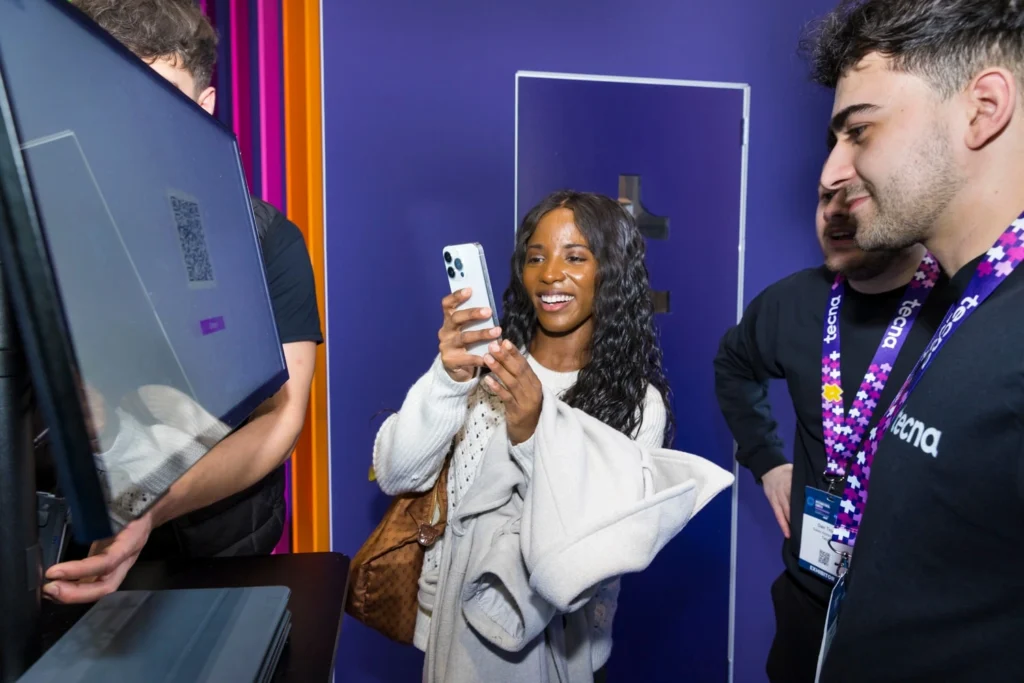
At Confex 2025 – our first major event post-rebrand – we set out to activate the Tecna brand in full force. Every element of our stand was designed to create brand engagement, energise, and turn visitors into active participants.
From a touchscreen Prize Vault and gamified vending machine to a show-stopping video booth, each activation created a moment worth talking about. But it wasn’t just about the tech. Our team brought the energy on the ground, building connections, encouraging interactions, and taking the experience even further.
2. Hosting events
When you’re the one hosting the event, whether it’s a trade show, product showcase, or brand festival, you’re not just creating a space. You’re setting the tone for the entire experience.
At Tecna, we design and deliver full event environments that work hard from the first impression to the final conversation. Every detail, every touchpoint, every flow of movement is carefully considered to create a space that performs.
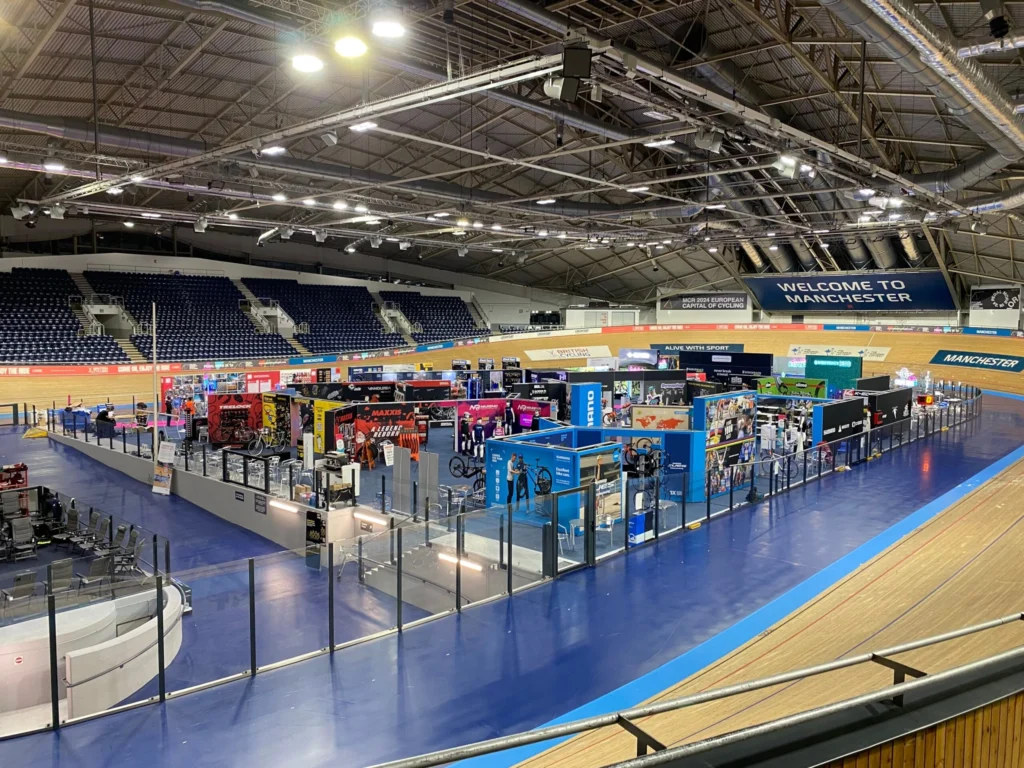
An example of hosting done right: iceBike 2025*
When cycling giant Madison wanted to level up their flagship event, they weren’t just after a trade show. They wanted energy, atmosphere, and retail-style engagement – and they needed it to travel. Two venues. One single kit. Zero compromise.
From dramatic neon lighting and immersive product displays to magnetic shoe demos and blackout rooms, we helped transform iceBike* into a full-scale brand experience.
Every activation was hands-on, high-impact, and built to perform across multiple locations, without losing a beat.
3. Product demonstrations
There’s nothing more powerful than putting your product directly into someone’s hands. Product demonstrations turn features into experiences – helping people see, feel, and understand the value for themselves.
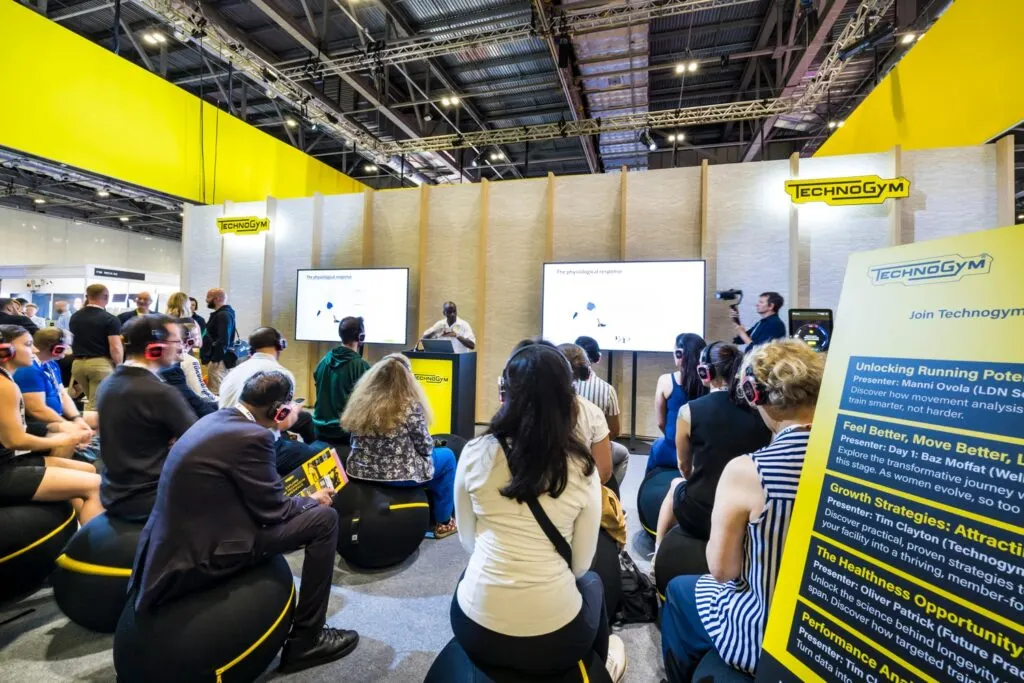
An example of hands-on impact: Technogym
To showcase their cutting-edge fitness equipment at major UK exhibitions, we helped Technogym create a space that moved with purpose. Video walls pulsed with energy and the layout invited interaction at every turn.
The result was a demo zone that felt more like a high-end gym than an exhibition stand – turning features into real, tangible experiences. Because when people can see it, try it, and feel it, they remember it.

4. Photo and video experiences
Photo and video activations create instant engagement by giving visitors something personal – and shareable. These experiences feel fun and spontaneous, but they serve a bigger purpose: they generate content, drive social reach, and turn your audience into active participants in your brand story.
Because the moment feels like theirs, they’re more likely to post it. And when they do, your brand gets the exposure.
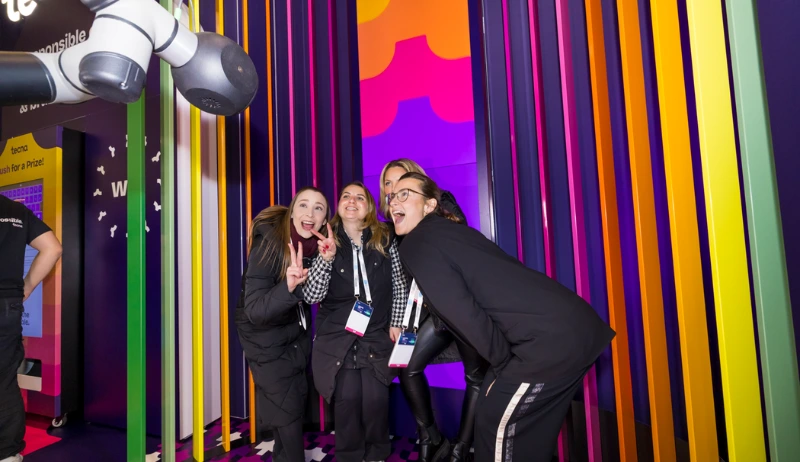
An example of visual engagement: Glamdroid®
The Glamdroid® is a robotic camera arm that captures cinematic, high-energy video content in seconds. With branded overlays, dynamic effects, and instant social sharing, it transforms a simple interaction into a piece of content people want to post.
It’s bold, immersive, and built for buzz – encouraging real-time visibility far beyond the event floor.
5. Attending exhibitions
Unlike traditional advertising, exhibitions give you the chance to create immersive experiences – spaces where people can walk in, interact, and connect with your brand in real time. Done right, these moments don’t just leave an impression, they boost brand awareness, generate leads, and spark real conversations.
That’s the mindset our team brings to every event build: combining bold creative thinking with modular, reusable systems that are practical to manage and built to perform.
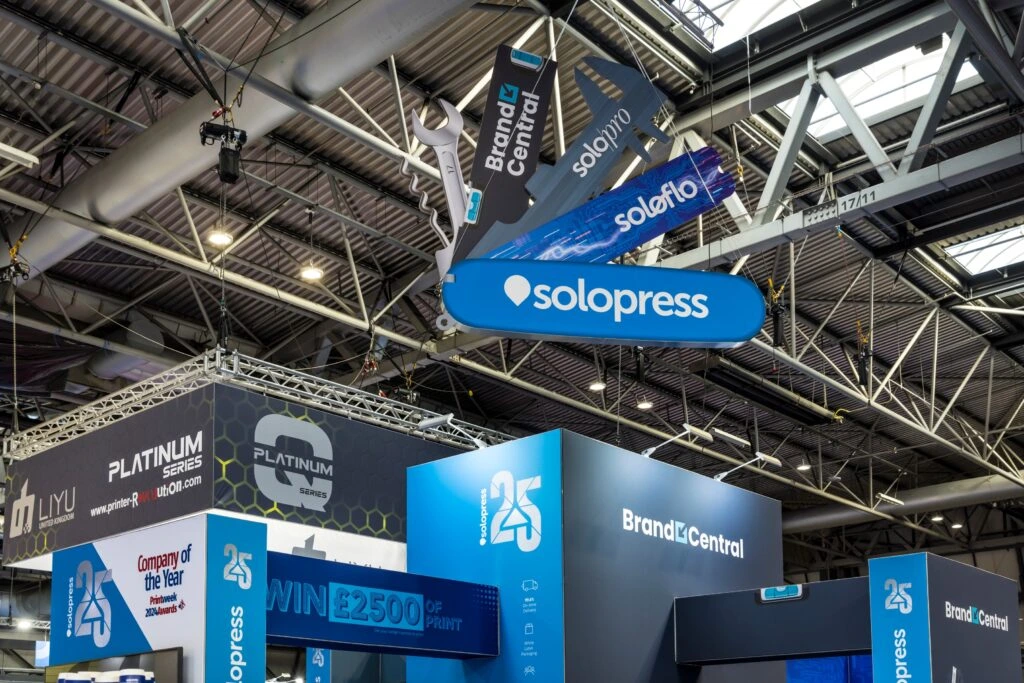
An example of event marketing with an experiential edge: Solopress at The Print Show
Solopress came to us with a clear goal for their upcoming event: more impact, bolder design, and a standout visitor experience. From the start, we focused on creating an open, flowing space.
But this wasn’t just a trade stand, it was a branded experience. Inspired by the Solopress identity, we transformed their signature multi-functional knife into a bold, 3D overhead centrepiece – and then brought it to life as a spinning, kinetic feature.
6. Product sampling and giveaways
Sampling is one of the simplest and most effective ways to create instant brand connection. By giving something away, you remove hesitation and build trust through experience instead of explanation.
And the impact doesn’t end at the event. A great sampling experience builds emotional resonance that brand loyalty long after the moment is over. People are far more likely to return to a brand they’ve already tested and felt good about, especially if that first impression was hands-on and memorable.
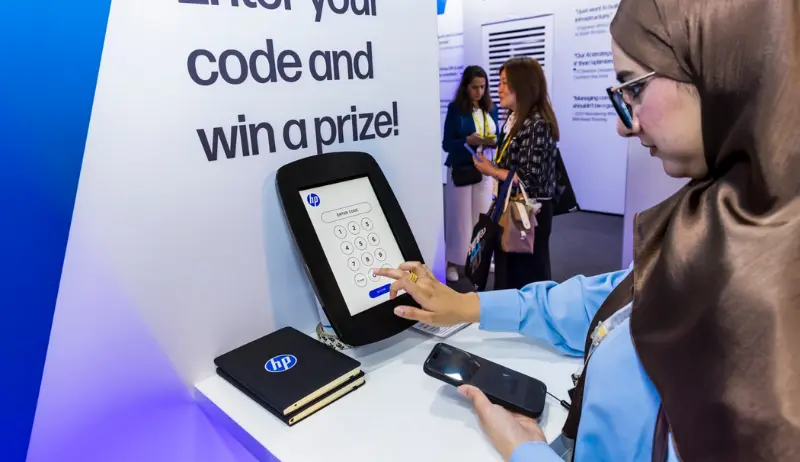
An example of smart sampling engagement: Prize Vault
The Prize Vault is a fast-paced, PIN-entry activation designed to give away prizes – physical products, branded items, or digital rewards. Visitors enter a code to see if they’ve won, creating a moment of anticipation that draws attention and keeps people coming back.
It’s more than a giveaway. It’s a way to connect, excite, and leave your audience walking away with something that keeps your brand front of mind.
7. Brand experience Pop-ups
Pop-ups are built on exclusivity, urgency and experience for your customer. They’re temporary by nature as part of an experiential campaign, and that’s exactly what makes them powerful. Whether it’s a limited-time retail space, a touring brand moment, or a one-off product drop, pop-ups create FOMO on the spot.
The best pop-ups don’t just sell something, they offer a feeling or an emotion to the buyer that leaves a mark. A chance to step into the brand for a moment, explore it, and take a piece of it with you. It’s a kind of energy that traditional marketing methods can’t replicate.

8. Gamification
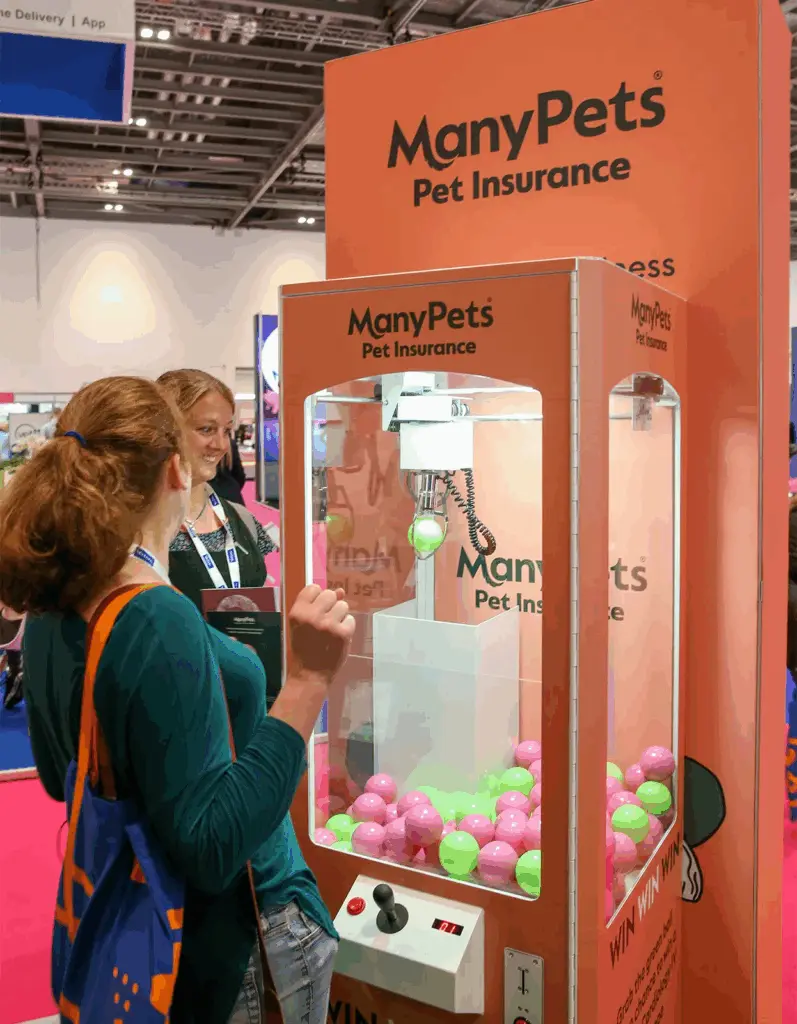
Games turn heads, and done right, they keep people coming back. Whether it’s a claw machine, a spin-to-win, or a full-on physical challenge, gamification taps into curiosity, competition and fun. It’s a brilliant way to deliver brand engagement in a genuine way.
An example of gamification in action: ManyPets
To turn up engagement at a recent event, ManyPets went all-in on play. From a branded grabber machine to a spin-the-wheel challenge, their stand was buzzing with activity – but the hero moment was something truly different. We worked with them to create a “Build Your Own Kennel” game using our modular framework. It was bold, brilliantly on-brand, and impossible to walk past without getting involved.
9. Digital experiences
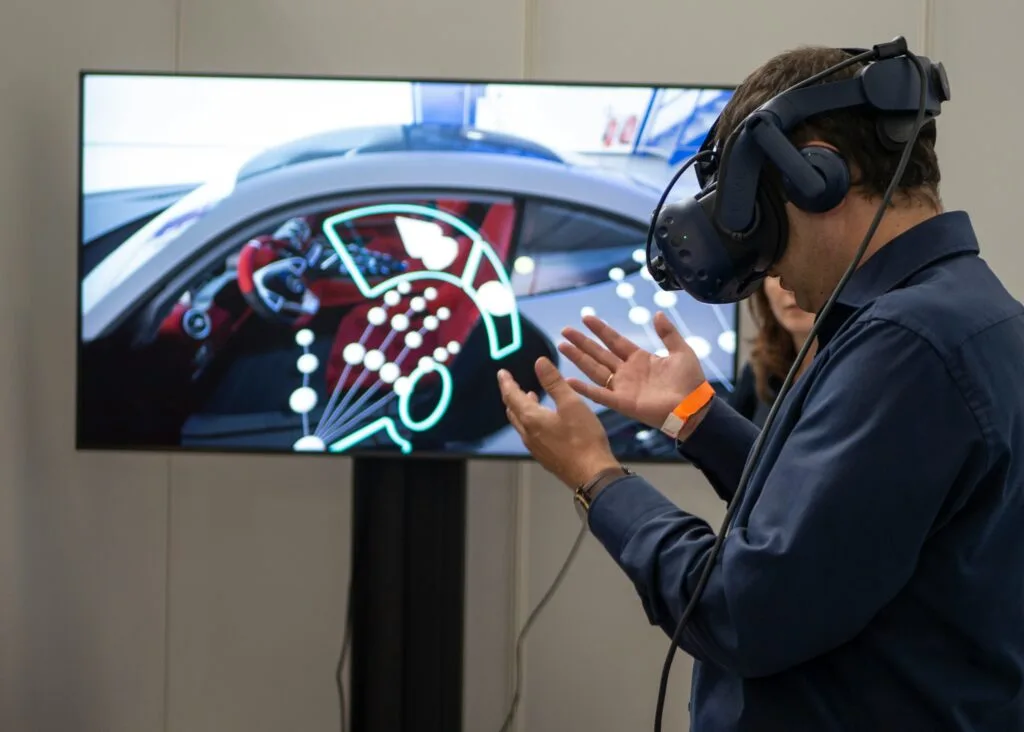
Tech doesn’t have to compete with physical experiences. It can elevate them. For instance:
• Augmented Reality adds digital elements to the real world – like virtual try-ons or filters.
• Virtual reality creates fully immersive environments your audience can step into through a headset or display.
• Screens, whether touch-enabled, automated, or synced to motion sensors, turn static spaces into dynamic storytelling platforms.
These activations are especially powerful when you want to stand out, explain something complex, or give people a peek at what’s coming next.
10. Sensory & tactile experiences
Want to make your brand unforgettable? Let people feel it.
Sensory experiences turn good environments into great ones. We’re not just talking about eye-catching graphics. We’re talking about full-sensory immersion that hits all the right notes – sight, sound, scent, and touch.
• Sight grabs attention fast. Bold structures, custom lighting, and sharp detailing set the tone instantly.
• Scent creates emotional recall. From fresh coffee to ocean air, we use subtle fragrance to shape mood and spark memory.
• Sound sets the pace. Ambient soundscapes and branded audio add energy, atmosphere, and rhythm.
• Touch makes it real. Textured finishes and hands-on features invite interaction, spark curiosity, and deepen connection.

Best practices for experiential marketing success
You’ve got the vision, now it’s about making sure the experience lands. A winning experiential marketing strategy doesn’t just look good on paper. It connects, performs, and creates momentum for your future campaigns.
Here are four principles we build by at Tecna:
Know your target audience deeply
Who are they? What lights them up? What haven’t they seen yet? The most successful experiential marketing campaigns speak directly to your audience’s mindset, needs and expectations – and go one step further by surprising them. The better you know your existing and potential customers, the better your brand can show up for them.
Build with purpose and flexibility
Every element in your space should earn its place, whether it’s guiding footfall, starting conversations, or sparking curiosity. Modular, reusable systems let you stay agile across locations and formats, without losing the detail that makes it feel bespoke.
Ensure brand consistency across every touchpoint
From your visuals and messaging to tone and interaction, every detail should feel unmistakably you. When your brand is cohesive across the entire experience – from first glance to final follow-up – you build trust, amplify your brand values, and strengthen recognition where it matters most.
Embrace data capture and metrics
Integrate tracking from the start – capture leads, dwell time, engagement, and social activity. The insights don’t just prove ROI, they help you optimise your next move. For instance, if you want to build customer loyalty, you can use surveys to measure satisfaction, emotional connection, and recall after the event, then refine your experiential marketing strategy around what truly resonates.
Curious what a bold experiential strategy looks like in action? Explore 15 experiential marketing examples where ambitious brands made waves.
Why Tecna? Bringing brand experiences to life
We create immersive environments that excite, perform, and leave a lasting impression.
Tight timelines? Big visions? We’re all in – solving fast, adapting smart, and building spaces people want to be in.
Here’s how we make it happen:
• Custom modular builds that flex with you
Our modular systems are built for speed, scale and style. Tailored to your brief, and designed to adapt as your vision evolves.
• Sustainable, reconfigurable materials that work harder
Smart design shouldn’t cost the planet. We use reconfigurable, reusable systems that look premium, feel solid, and cut down on waste.
• End-to-end partnership, not just project management
From first idea to final install, we’re in it with you. We think ahead, solve fast, and make the whole process smooth, efficient and genuinely fun.
• Trusted by bold brands and brilliant agencies
We work with teams who think big, move fast and expect results. They choose Tecna not just for the build, but for the partnership, energy and care we bring to every step.
Activate Your Brand with Tecna
Frequently asked questions
Curious about how experiential marketing really works? We’ve answered some common questions below to help you get the most from your next activation.
-
What is the difference between experiential marketing and event marketing?
Event marketing is all about the where – specific in-person events like trade shows, festivals, or launch parties. Experiential marketing is about the how – a bigger-picture approach that includes interactive experiences.
While traditional marketing tools talk at your audience, experiential marketing efforts invite them in – which is why it’s also referred to as ‘engagement marketing’. It’s immersive, emotional, and built to make real-world impact.
-
How do I measure the success of an experiential marketing campaign?
The best experiential marketing events deliver results you can see and feel. We’re talking footfall, dwell time, lead capture, social shares, customer feedback, and ROI. These experiences aren’t just about a great moment on the day. They’re about long-term brand impact, turning curiosity into conversation and one-time visitors into loyal customers.
At Tecna, we bake in data capture from the start – so every innovative experiential campaign is grounded in performance.