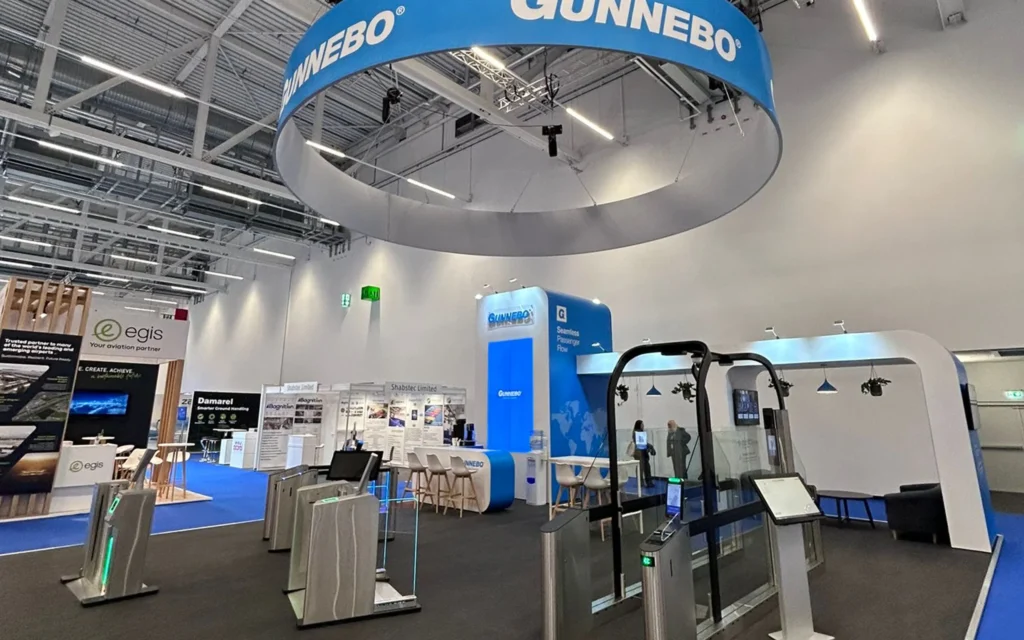
Sustainable exhibition stands reuse the structure instead of throwing it away. They use independently certified materials, and back every claim with measured, audited evidence rather than a marketing line.
The biggest saving comes from reuse. A modular stand that returns to the show floor across several events avoids the repeated build-and-bin cycle of a single-use custom stand.
Tecna became the first UK exhibition stand builder to achieve ESSA’s Tier 5 Sustainability Accreditation, the highest level of sustainability recognition in the industry. That matters because it means a client’s ESG team can go and check the evidence behind every claim in this guide, rather than take our word for it.
What makes an exhibition stand sustainable
A genuinely sustainable exhibition stand brings together three things. All have to be true at once, not one chosen because it sounds good in a pitch:
1. The design has to support reuse rather than a single appearance.
2. The materials need independent certification rather than a simple eco-friendly label.
3. Someone outside the company building it has to check the measurement.
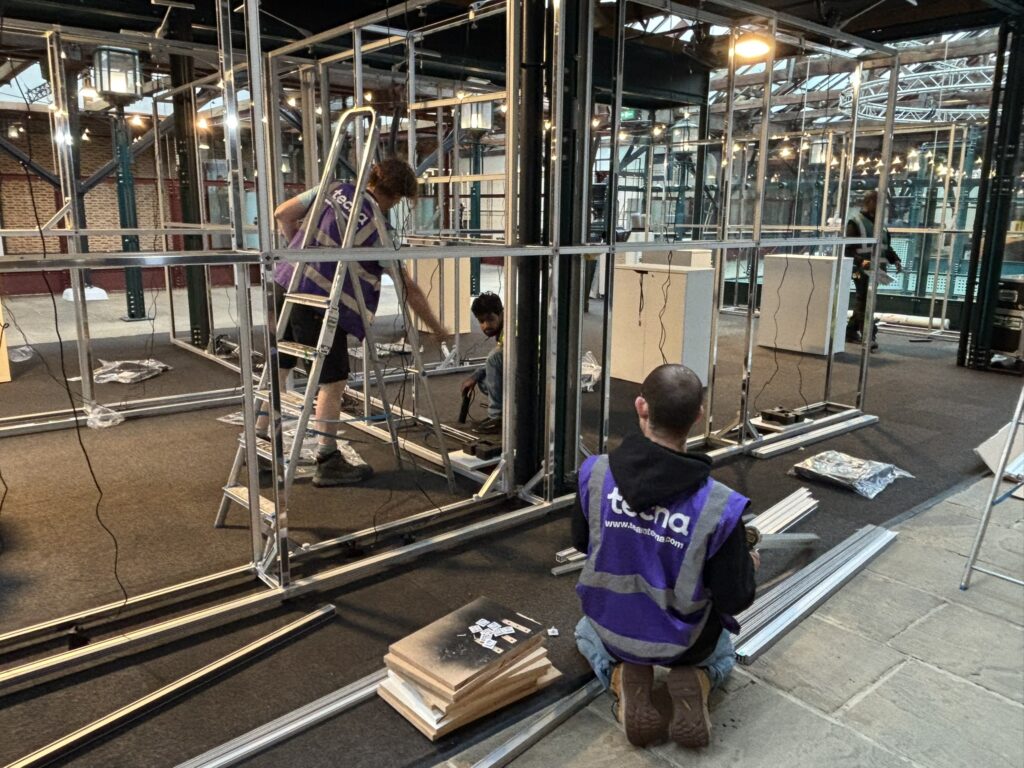
Drop any one of these three and the claim becomes marketing rather than evidence.
Sustainability should also enhance the design rather than restrict it. A high-impact stand and a low-impact stand are not in competition. The most effective sustainable exhibition stands look exactly as bold and considered as any custom build, with the environmental discipline sitting in the engineering rather than showing up as a compromise on the show floor.
Tecna’s sustainability credentials, and what they actually require
Anyone can describe a stand as sustainable. Far fewer suppliers can point to an outside body that has actually checked the claim. This is exactly the gap the right accreditation closes.
Tecna holds four accreditations, and each one means something specific rather than functioning as a badge.:
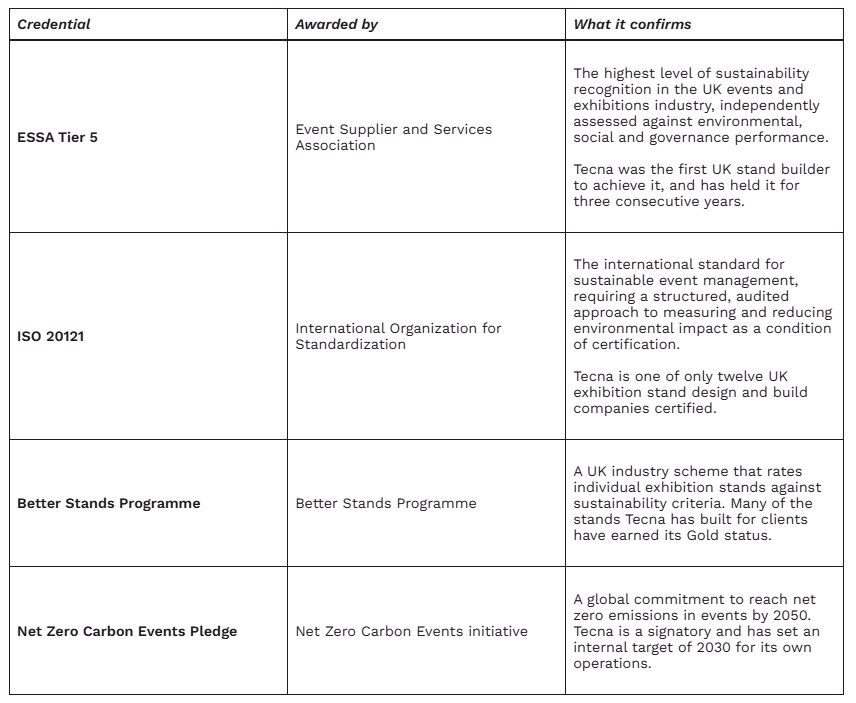
ESSA’s Tier 5 Sustainability Accreditation requires measurable evidence of performance across environmental, social and governance factors before ESSA grants it. It isn’t a self-assessment a company writes about itself.
Tecna became the first UK exhibition stand builder to achieve it, and has now held the accreditation for three consecutive years. When ESSA confirmed the third consecutive year, James Longley, Tecna’s Managing Director, summed up the aim as “More impact. Less waste” rather than treating sustainability as an add-on to the design process.

↑ Tecna’s IOSO 20121 certification and ESSA Tier 5 Sustainability Accreditation, held for three consecutive years.
ISO 20121 sits alongside it as a different kind of evidence again. It certifies the management system behind every project rather than rating an individual stand. This is why it matters that Tecna is one of only twelve UK companies to hold it.
Materials that cut environmental impact
Material choice is where sustainability becomes concrete rather than aspirational, and the specifics matter more than the general claim. Recyclable aluminium framing, FSC-certified timber, recycled plastics, closed-loop carpets and sustainable vinyl each carry a defined, independently certifiable standard. That standard is the difference between a material you can prove is lower impact and one simply called green.
Even timber offcuts have a planned destination instead of ending up as waste. Surplus goes to biomass energy rather than landfill. Flooring built on a cradle-to-cradle model returns to source after a show. This then gets recycled into entirely different products instead of going to landfill.


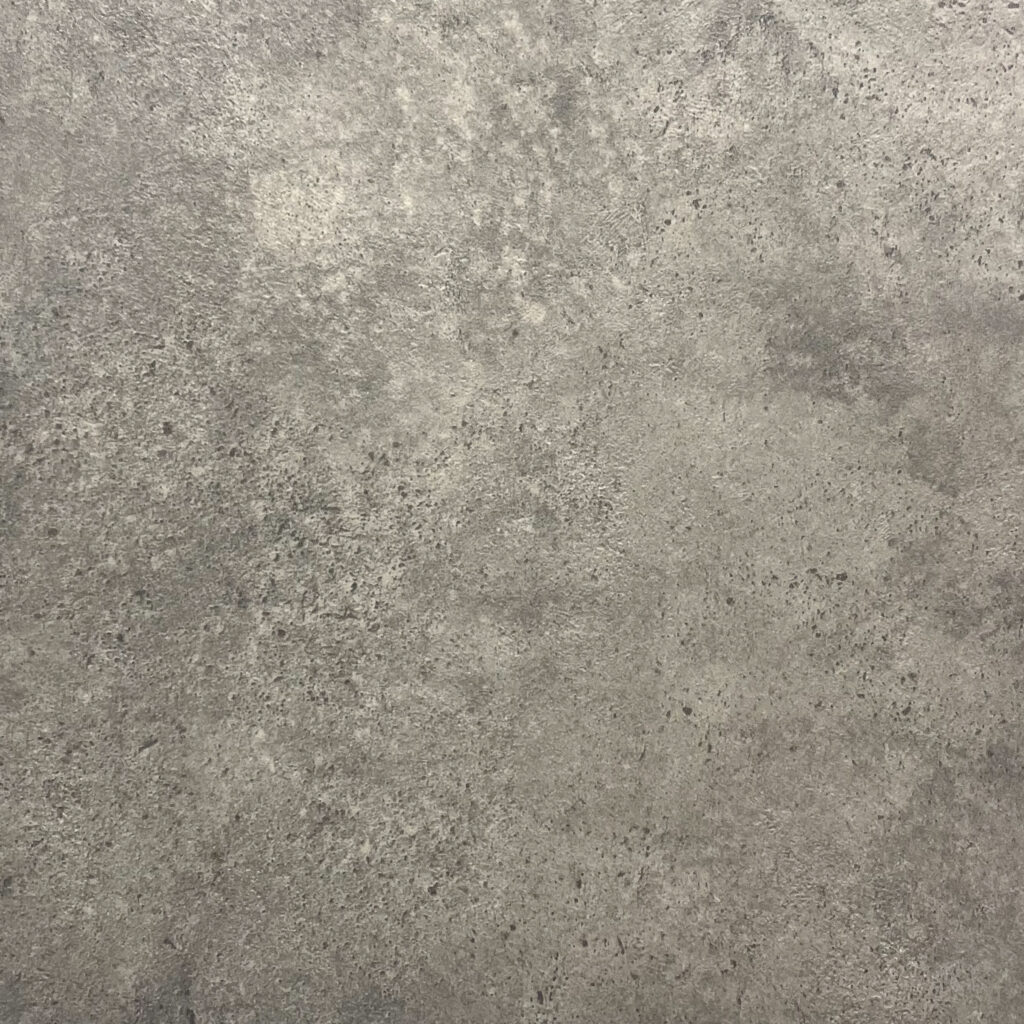
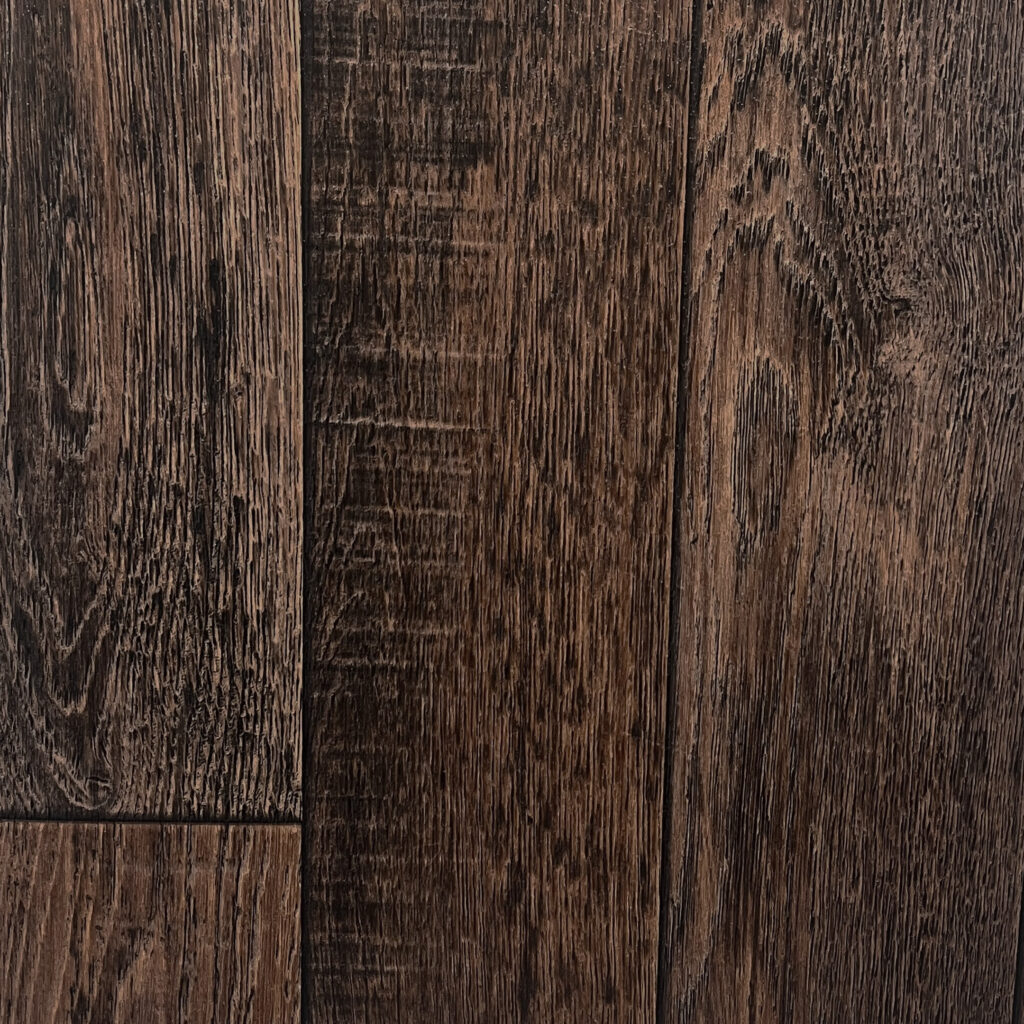
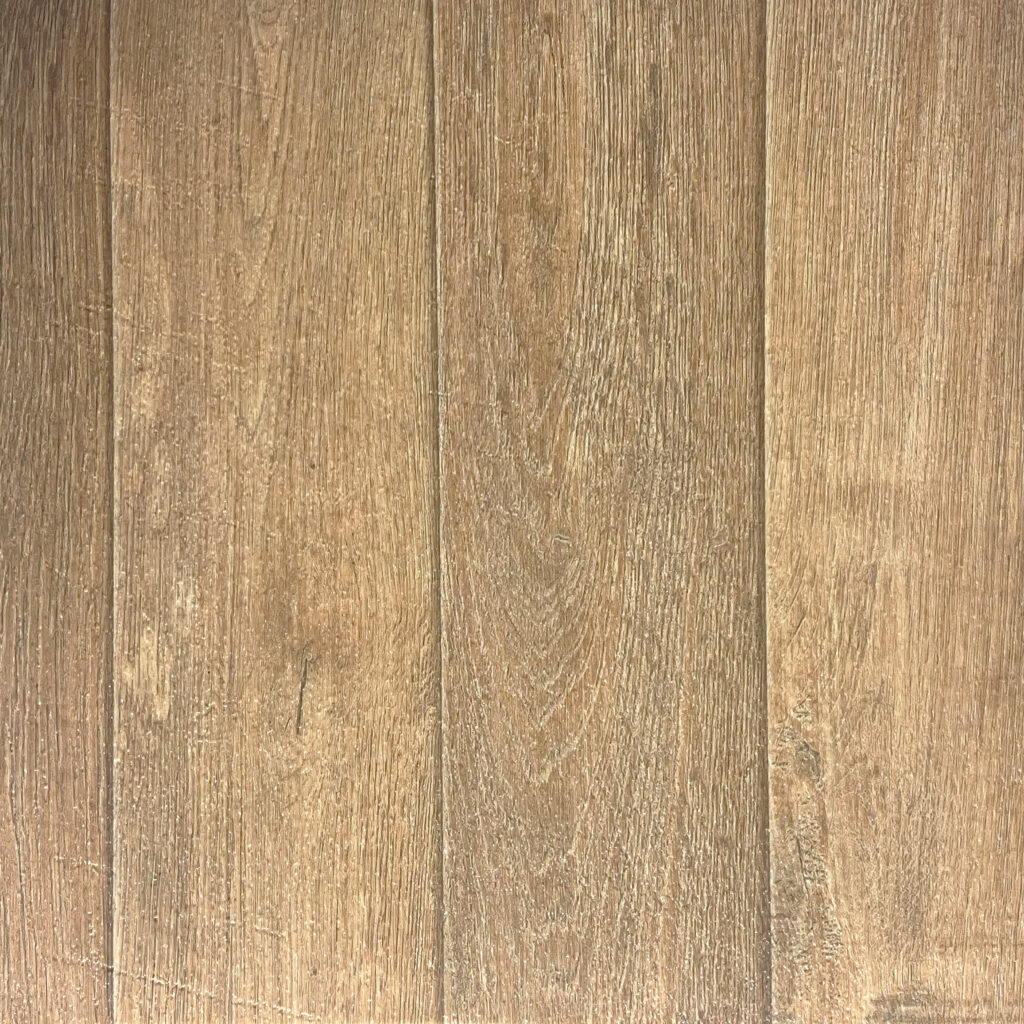
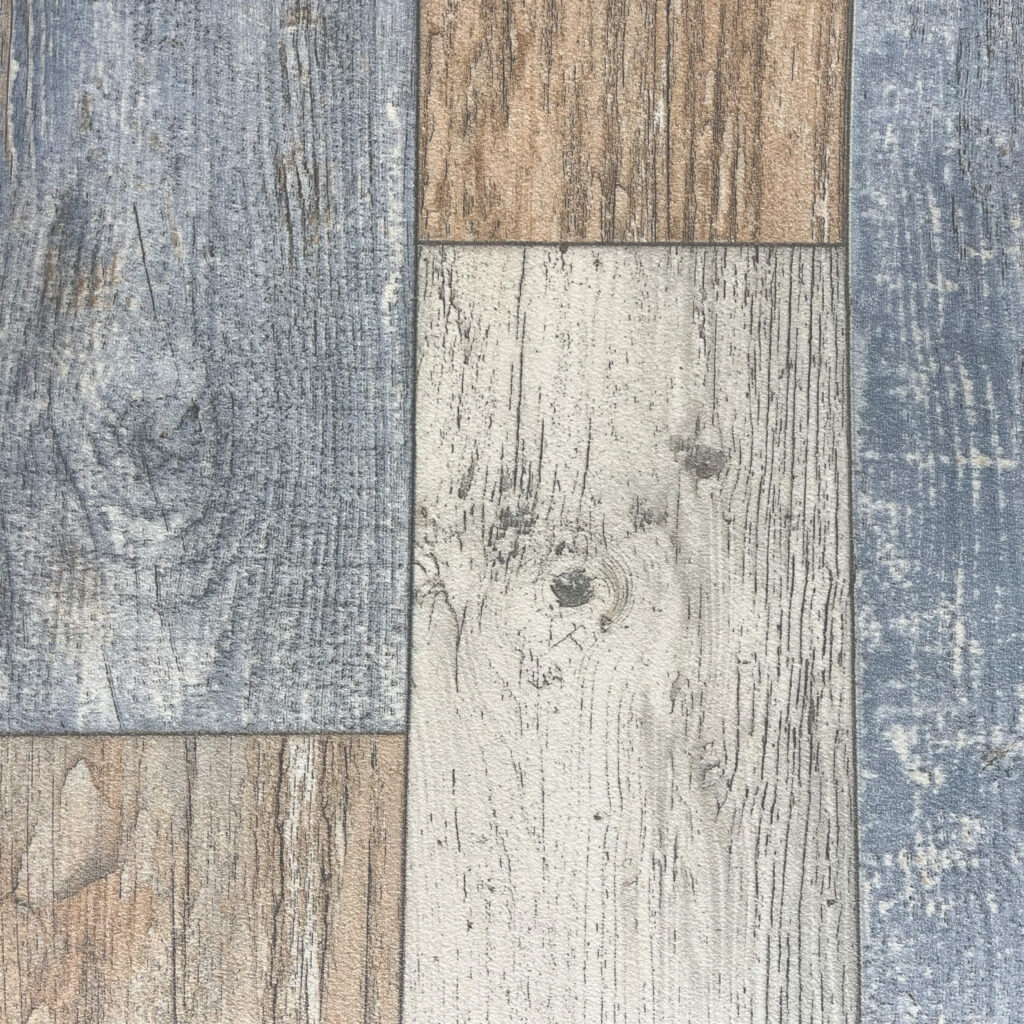
↑ FSC-certified timber and closed-loop carpet used in stand construction.
Graphics printed on sustainable substrates with water-based inks are offset at source. This avoid the solvent-heavy printing that older exhibition graphics relied on. A simple discipline often missed at the brief stage is leaving show names and dates off the graphics. This actually lets the artwork survive into the next event instead of getting binned for looking dated.
Reusing furniture project to project removes an entire category of waste before the stand even reaches the show floor. This is much more sustainablethan buying new for each show. Giveaways close out the same logic at the point visitors take something home. QR codes instead of stacks of brochures, bamboo used instead of plastic.
Why reuse beats rebuild
A modular stand designed for several shows avoids the cycle that drives most exhibition waste. Design, build, use for three days, then bin.
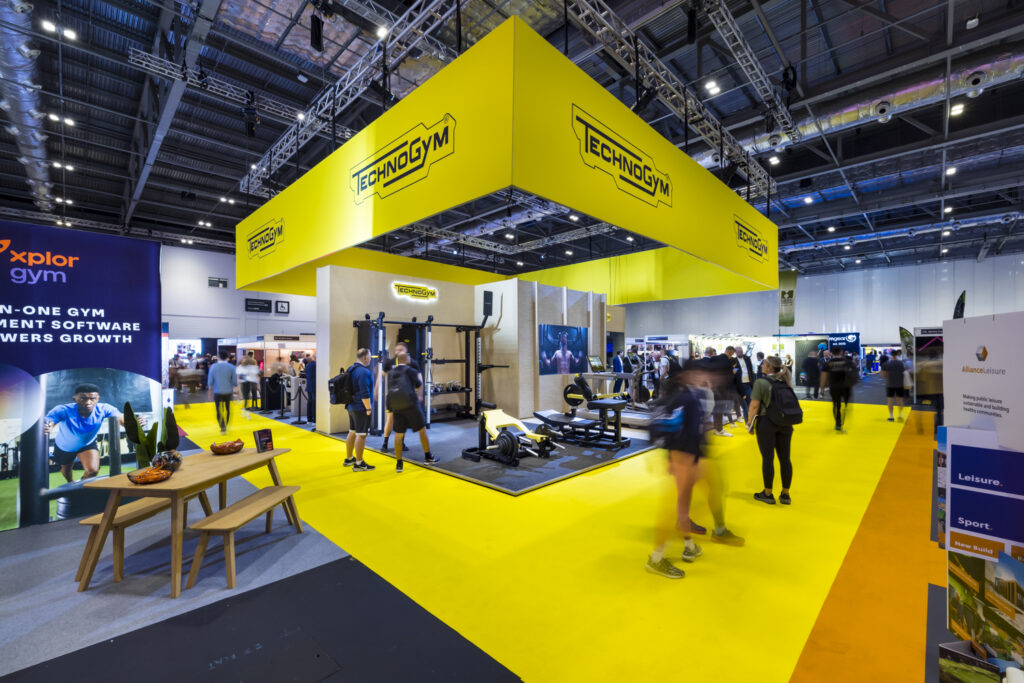
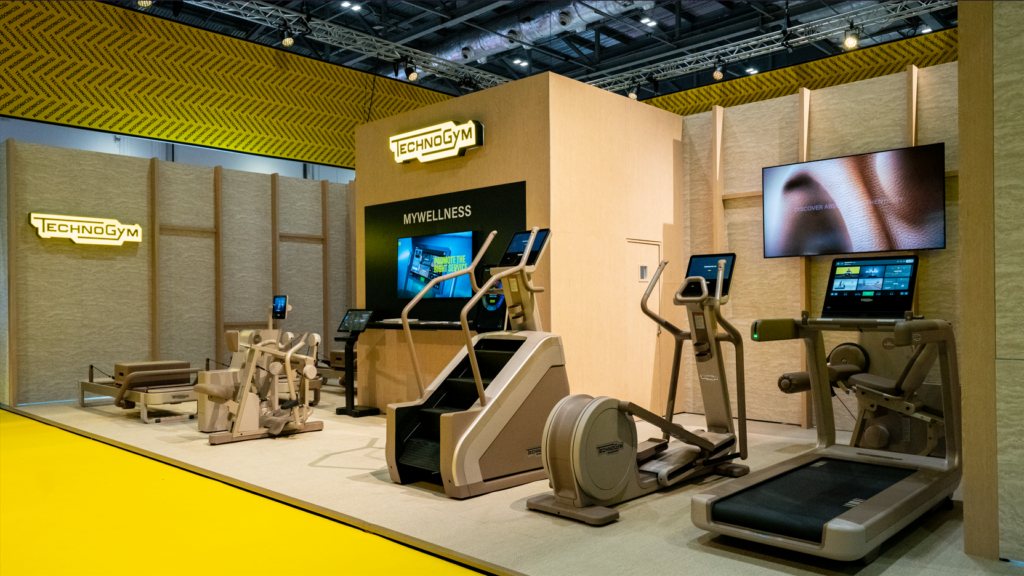
↑ The same modular system reused across two different shows.
Every show a reusable stand attends without a full rebuild is a show where that waste simply doesn’t happen. That’s the logic behind industry programmes such as the Better Stands Programme, which exists to rate stands built this way. The simplest way to capture the benefit is to plan a year’s show calendar with reuse in mind from the start: standardising on a similar stand footprint across several events makes a single modular system genuinely reusable, instead of needing a different structure for every show.
We’re deliberately cautious about quoting a single universal percentage for how much waste reuse avoids compared with a single-use build. The real figure depends on how many times a specific stand actually gets reused and what it replaces. A number borrowed from someone else’s stand wouldn’t be honest about yours.
What we can do instead is model that figure for your own stand and show calendar. Every project we deliver includes project-specific carbon reporting. That’s a more useful answer than a headline statistic that may not reflect your circumstances at all.
Cutting transport and energy emissions
Transport and energy are the two parts of an exhibition stand’s footprint that happen away from the show floor. Due to this they’re often the easiest to overlook because nobody sees them happen.
Staff travel and accommodation
Staff travel and accommodation consistently ranks among the highest-impact areas of attending a show, frequently outweighing the stand itself once flights, hotels and multiple cars enter the picture. It’s also one of the easiest areas to reduce.
Comparing three days at a show against the equivalent sales trips a team would otherwise make across the year gives a fair picture of the real cost. From there, the practical levers are straightforward: take only the staff genuinely needed on the stand, share transport rather than travelling separately, use public transport on show days where realistic, and book accommodation within walking distance of the venue to cut unnecessary journeys during the show itself.
Manufacturing and supply chain
Building in-house in the UK shortens the supply chain behind a build considerably compared with sourcing components from overseas. Every stage from design to fabrication sits under one roof, rather than moving between subcontractors and shipping routes.
Energy and net zero
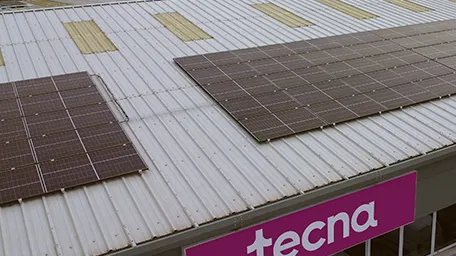
On energy, the clearest figure we can point to is our own: solar installation at our facility generated 85% of its energy in 2024 and cut 1,360,000kg of CO2e — a figure from our own operations rather than a borrowed industry average. That sits alongside a published roadmap rather than a vague ambition.
Tecna has committed to net zero by 2030, two decades ahead of the global 2050 target set by the Net Zero Carbon Events Pledge it has signed. Full self-generated energy forms part of that target, and the plan prioritises carbon reduction across procurement, production and logistics before offsetting comes into play at all.
What to ask a supplier about sustainability
Five questions separate a supplier with genuine evidence from one with a well-written sustainability page:
Which independent body has actually certified them: ISO 20121 and ESSA Tier 5 both require external assessment, so nobody can check a claim with no named certifying body behind it.
How they measure carbon: Do they measure it project by project, or only describe it in general terms? A supplier that can model your specific stand’s footprint is working from real data rather than a company-wide estimate applied to every client.
What specifically happens to a stand at the end of its life: Reuse, donation and redirection into other uses are very different outcomes from the vague promise that materials are recyclable in principle.
Whether the materials themselves carry a recognised certification: FSC for timber is one example, rather than a description that simply uses the word sustainable.
Ask for the evidence in writing: A supplier confident in its own record will hand over ESG documentation without hesitation, while one relying on the word alone usually cannot.
Practical steps that make the biggest difference
Beyond the big structural choices, a handful of practical decisions made early in the planning process do more for a stand’s footprint than anything decided in the final week before a show. Settling on a stand footprint that works across most of a year’s shows, rather than designing each one separately, is what actually makes a modular system pay off. Leaving show names and dates off graphics keeps them usable at the next event instead of disposable after one outing.
Choosing flooring on a cradle-to-cradle basis closes a loop that traditional show carpet never had: the flooring returns to source and gets recycled into new products, instead of getting thrown away. Swapping printed brochures for QR codes, and single-use plastic water bottles for a refill station, are both small changes with an outsized effect on what actually ends up in a skip at the end of a show. None of these require a bigger budget — just a decision made earlier in the process than most teams are used to making it.
Frequently asked questions
What makes an exhibition stand eco-friendly?
An eco-friendly exhibition stand combines three things: it supports reuse rather than a single show, it uses materials that carry an independent certification rather than just a description, and an outside body measures and audits its environmental impact rather than someone estimating it for marketing purposes. A claim missing any one of these three is closer to a description than evidence.
How do you make an exhibition stand more sustainable?
Specify modular, reusable components instead of a single-use custom build. Choose certified materials such as FSC timber and recycled aluminium. Print graphics with water-based inks on sustainable substrates and leave off the show dates. Plan what happens to the stand at the end of its life before the build even starts. Asking your supplier to measure carbon project by project, rather than quote a general estimate, makes the biggest difference to how much of this you can actually prove.
Are reusable exhibition stands more sustainable than custom builds?
In principle, yes. A stand that returns to the floor across several shows avoids repeating the build-and-bin cycle that drives most exhibition waste. The exact saving depends on how many times a specific stand gets reused and what it replaces, which is why a figure modelled for your own stand and calendar is more useful than a single percentage borrowed from someone else’s project.
How do you measure an exhibition stand’s carbon footprint?
Through a lifecycle analysis covering materials and production, transport to and from the venue, and energy use both in manufacturing and on site, carried out project by project as part of an independently audited process rather than estimated once and applied to every client. That measurement should exist as documentation a client’s ESG team can actually check, not a general claim.
What sustainable materials are used in exhibition stands?
Recyclable aluminium framing, FSC-certified timber, recycled plastics, closed-loop carpets, sustainable vinyl and graphics printed with water-based inks all carry a recognised standard behind them, unlike materials simply described as eco-friendly without independent certification.
What is ESSA Tier 5 accreditation?
ESSA Tier 5 is the highest level of sustainability recognition in the UK events and exhibitions industry. The Event Supplier and Services Association awards it based on independently assessed, measurable evidence of performance across environmental, social and governance factors. Tecna became the first UK exhibition stand builder to achieve it and has held it for three consecutive years.
Is Tecna’s sustainability certification independently verified?
Yes. External bodies award both ESSA Tier 5 and ISO 20121 based on assessed evidence rather than a company’s own description of its practices, and Tecna is one of only twelve UK exhibition stand design and build companies certified to ISO 20121.
Request our ESG documentation to see the certification and the process behind it, or talk to us about a sustainability-led design for your next stand.
Our case study with Gunnebo shows what that looks like in practice: they chose Tecna for these credentials and for the ability to turn sustainability ambition into a measurable result on their stand, not just a stated intention.