The UK exhibition industry generated £11.5 billion in economic output and supported around 126,000 jobs in 2025. This is driven by strong international connectivity and mature venue infrastructure. It is also supported by established industry regulation and sustainability standards that are now the norm rather than the exception.
According to the Events Industry Alliance’s SASIE report, this is the highest level the sector has reached in a decade. Behind these figures sits a combination of connectivity, venue infrastructure and regulatory maturity. These sit on a well-established supply chain that keeps organisers and exhibitors choosing the UK over other markets.
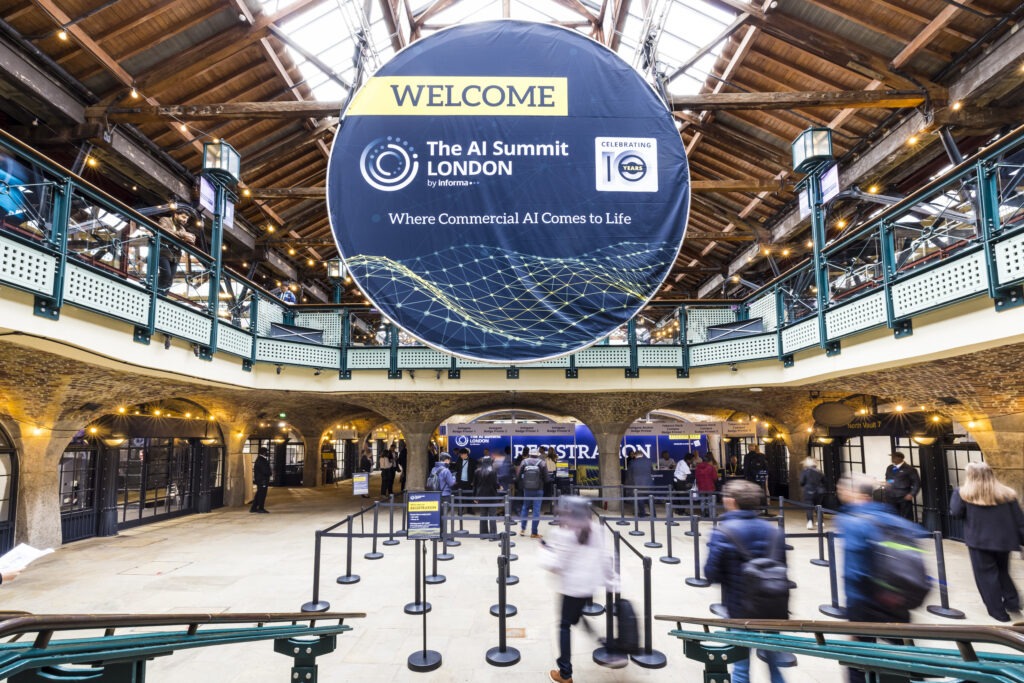
Here’s what’s actually driving that position, and why it matters for anyone planning a show or a stand.
1. Connectivity That Works for International Exhibitors
London alone is served by six airports. UK venues are within easy reach of major European, North American, and Middle Eastern markets. A meaningful factor for shows that depend on international exhibitor and visitor numbers. Combined with a well-developed rail and logistics network for freight and stand transport, it keeps build timelines predictable even for exhibitors shipping from overseas.
2. A Mature Venue Infrastructure Across the UK Exhibition Industry
The UK’s exhibition venues are purpose-built and well-established rather than adapted spaces, which matters for builds requiring heavy rigging, large-format builds, or multiple concurrent halls:
- ExCeL London — one of Europe’s largest exhibition centres, hosting major international trade shows across multiple halls
- NEC Birmingham — a long-standing hub for UK trade and consumer exhibitions, centrally located for national logistics
- Olympia London and Business Design Centre — established central-London venues for design, fashion, and specialist trade events
- Manchester Central — a growing venue for events looking beyond London
This infrastructure is backed by an experienced supplier base; stand builders, AV providers, and logistics contractors, who are used to working to UK health and safety standards and venue technical requirements without needing extensive onboarding.
3. Regulatory Maturity and Industry Standards
The UK exhibition sector operates within a well-defined regulatory and best-practice framework. Bodies including the AEO (Association of Event Organisers), AEV (Association of Event Venues), and ESSA (Event Supplier and Services Association) set standards around safety, sustainability, and supplier accreditation that give organisers, exhibitors, and international visitors a consistent baseline of trust; something less mature markets are still building toward.
4. A Genuine Trade and Consumer Mix
According to the 2025 SASIE report, there were an estimated 1,154 exhibitions and conferences held at major UK venues in 2025, drawing around 6.8 million visits, with trade exhibitions making up the largest share at 42%. That breadth (from B2B trade shows to large-scale consumer exhibitions) means the UK’s exhibition supply chain, including stand builders, is equipped to handle very different formats and scales within the same market.
5. A Sustainability Standard That’s Becoming the Norm
Sustainability requirements are increasingly built into UK venue contracts and exhibitor manuals rather than treated as optional. Reusable and modular stand systems, waste reduction targets, and accreditations such as ISO 20121 for sustainable event management are now standard expectations for many organisers, but close to a baseline requirement for working with major UK shows.
What This Means for the UK Exhibition Industry Exhibitors and Organisers
For international brands choosing where to exhibit, and for organisers choosing where to run a show, the UK offers a combination that’s hard to find elsewhere at the same scale: established venues, a regulated and accountable supplier market, strong connectivity, and a sustainability standard that’s already mainstream rather than aspirational.
Frequently Asked Questions
What is the SASIE report? SASIE (Size and Scale Index for Exhibitions) is an annual report UK’s Events Industry Alliance — the collective body of AEO, AEV, and ESSA — produces, providing market data on the size, value, and trends of the UK exhibitions sector.
What are the main exhibition venues in the UK? The largest include ExCeL London, the NEC Birmingham, Olympia London, the Business Design Centre, and Manchester Central, each serving different regional and format needs.
Is sustainability a requirement for exhibiting in the UK? Increasingly, yes. Many UK venues and organisers now build sustainability requirements, such as reusable stand structures or supplier accreditation like ISO 20121, directly into exhibitor manuals and contracts, rather than leaving it as a voluntary add-on.
Tecna designs and builds exhibition stands across the UK and Europe, working to ISO 20121 sustainable event management standards. Get in touch to talk through your next UK show.