Show organisers should look for an official contractor for exhibitions with a proven track record of on-schedule delivery, full regulatory and safety compliance and consistent quality across multiple stands. They should be have sustainability accreditation (such as ISO 20121), and transparent communication throughout build-up and breakdown.
For a show organiser, the build partner isn’t just another exhibitor supplier, it’s the company whose work determines whether build-up runs to schedule, whether the floor is safe to open, and whether the show as a whole looks professional and on-brand.
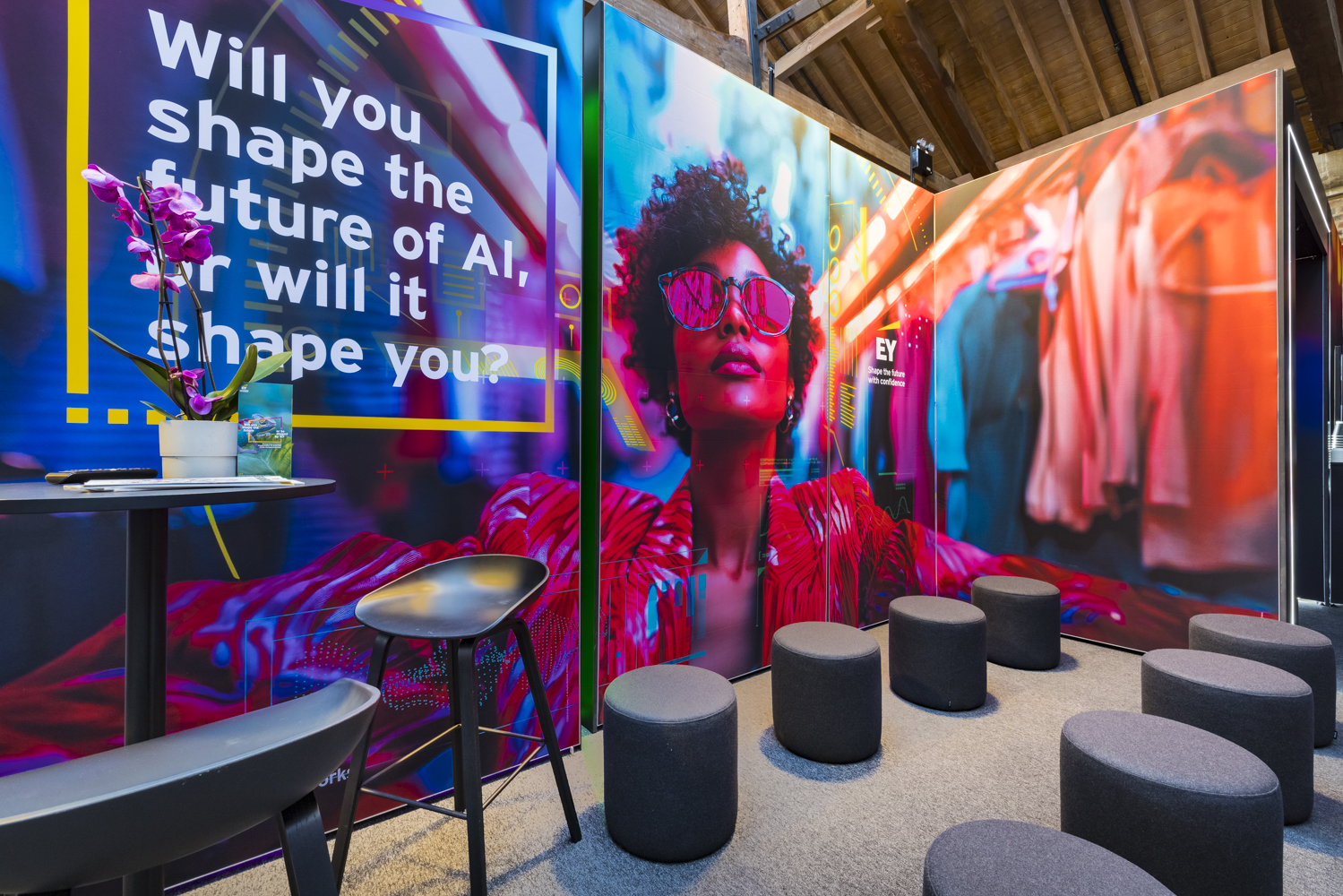
A single unreliable contractor can hold up the entire build. The right one raises the standard for every exhibitor on the floor, not just their own clients.
Here’s what that partnership actually involves, and what organisers should be checking for before appointing an official or preferred contractor.
Why the Build Partner Matters to the Whole Show, Not Just Individual Stands
Organisers carry the risk for the entire show; venue compliance, build-up and breakdown timings, health and safety sign-off, exhibitor success and the overall visitor experience. A contractor’s work affects all of that, whether they’re building one stand or 80:
- Schedule risk: Late or delayed builds can push back hall opening for everyone, not just the exhibitor involved
- Safety and compliance: Structural sign-off, fire regulations, and rigging standards sit with the organiser if something goes wrong on the floor
- Show reputation: A poorly finished stand next to a competitor’s polished one reflects on the show’s overall production quality, not just the exhibitor
- Exhibitor experience: Smooth, well-managed process is one of the biggest drivers of whether an exhibitor rebooks the following year
What Organisers Should Expect From an Official Contractor for Exhibitions
Reliable, On-Schedule Delivery
Build windows are designed, fixed and shared in meticulous detail and managed in-person to the same level. A dependable contractor plans backwards from the deadline, with contingency built in; not just for their own stands, but with awareness of how their build affects neighbouring exhibitors and shared access points. They should also be fully owning logistics with the venue.
Full Regulatory and Safety Compliance
This covers structural certification, fire-safety materials, electrical sign-off, and adherence to the specific venue’s technical manual, which varies by space and by country. An organiser shouldn’t have to chase this information down; a good partner supplies it proactively and adheres to the venue’s rules throughout, guiding others in how to do the same.
Consistent Quality Across Multiple Stands
For shows working with an official or preferred contractor across many exhibitors, consistency matters. Organisers need a partner who can scale; running several builds in parallel without a drop in finish quality or safety standards on any one of them. Ideally, they would have in-house installations teams rather than outsource this.
Sustainability Credentials
Sustainability requirements are increasingly written into exhibitor manuals and venue contracts, not just requested informally. Contractors working to recognised standards — such as ISO 20121 for sustainable event management, or ESSA membership — give organisers a way to demonstrate compliance across the show rather than exhibitor by exhibitor.
Transparent, Proactive Communication
Organisers need visibility into build progress across the show, especially where issues might affect neighbouring stands or shared infrastructure. A contractor who flags problems early and retains ownership of them, rather than letting them surface later is easier to work with at scale.
Questions to Ask Before Appointing a Contractor
- Can they show a track record delivering multiple stands, at scale, within a single show?
- What’s their process for coordinating with venue technical teams and other on-site contractors?
- Do they hold recognised accreditation (ISO 20121, ESSA, or local equivalents)?
- How do they handle contingency if a build falls behind schedule?
- What’s their communication process during build-up and breakdown — who is the organiser’s single point of contact?
- Do they use in-house teams or outsource and subcontract?
- How do they manage exhibitor relationships and communication?
Frequently Asked Questions
What’s the difference between an official contractor and a preferred contractor?
An official contractor is typically the sole or default supplier organisers direct exhibitors toward, often with exclusive access to certain services. A preferred contractor is recommended but not mandatory, usually appearing on a shortlist provided to exhibitors.
Why do organisers care about a contractor’s sustainability accreditation?
Many venues and corporate exhibitors now require proof of sustainable event practices as part of their own compliance. An accredited contractor makes it easier for organisers to meet those requirements show-wide, rather than verifying each exhibitor’s supplier individually.
How does contractor reliability affect exhibitor retention?
A smooth build experience is consistently cited as a factor in whether exhibitors rebook a show. Delays or on-site issues during build-up reflect on the show’s organisation, even when the fault sits with a specific contractor.
Tecna works with show organisers across Europe as an official contractor for exhibitions, delivering builds to ISO 20121 sustainable event management standards. Get in touch to discuss partnering on your next show.