A beautiful exhibition stand that nobody engages with can be an expensive failure.
It might win internal applause. It might even get a few “wow, that looks great” comments as people walk past. But if it doesn’t start conversations, generate intent, and move people toward action, it’s not doing its job.
After more than 20 years in the exhibition industry, we understand what your exhibition stand needs to do for you and how it needs to be used.
This guide breaks down how to design an exhibition stand that actually drives conversations, using practical, proven principles grounded in real-world performance and Tecna expertise.
1. Start with people (not Pinterest)
Before you think about layouts, lighting, or materials, or inspo, ask one specific question:
Who is this stand actually for?
It sounds obvious, but it’s easily looked over. Stands are often designed around internal preferences (“we like this look”) rather than external realities (“our audience cares about this problem”).
To design a high-performing exhibition stand, your design process should start with:
- Your ideal customer profile (ICP)
- Their pain points, motivations, and context at this specific event
- What would make them think: “This is relevant to me”
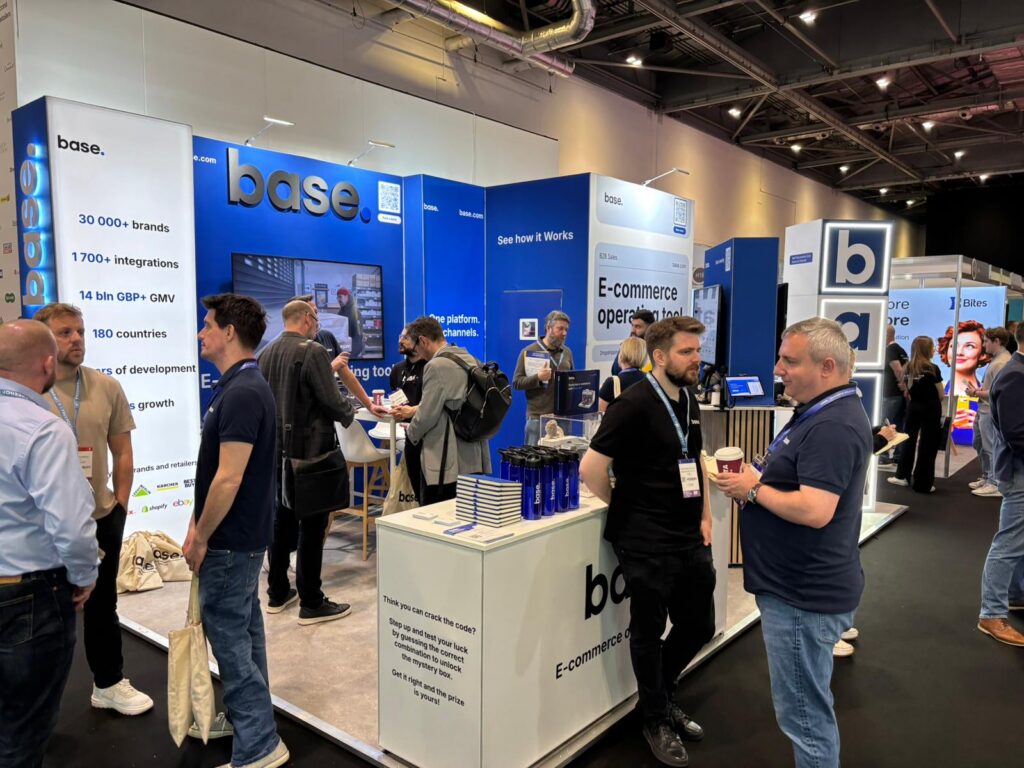
2. Give people a reason to stop (you have about 3 seconds)
Exhibition halls and show floors are competitive environments. People are overwhelmed, distracted, in a rush or multitasking.
You don’t have minutes to grab attention, you have seconds.
Think of your stand like digital content:
- A strong hook stops the scroll
- A clear message keeps attention
- A reason to engage drives action
This “hook” doesn’t have to be loud or gimmicky.
It can come from:
- Architectural form
- Unexpected materials or textures
- A bold, clear proposition
- A visually intriguing focal point
The goal is to simply spark curiosity.
That’s how we turn a passerby into a participant.
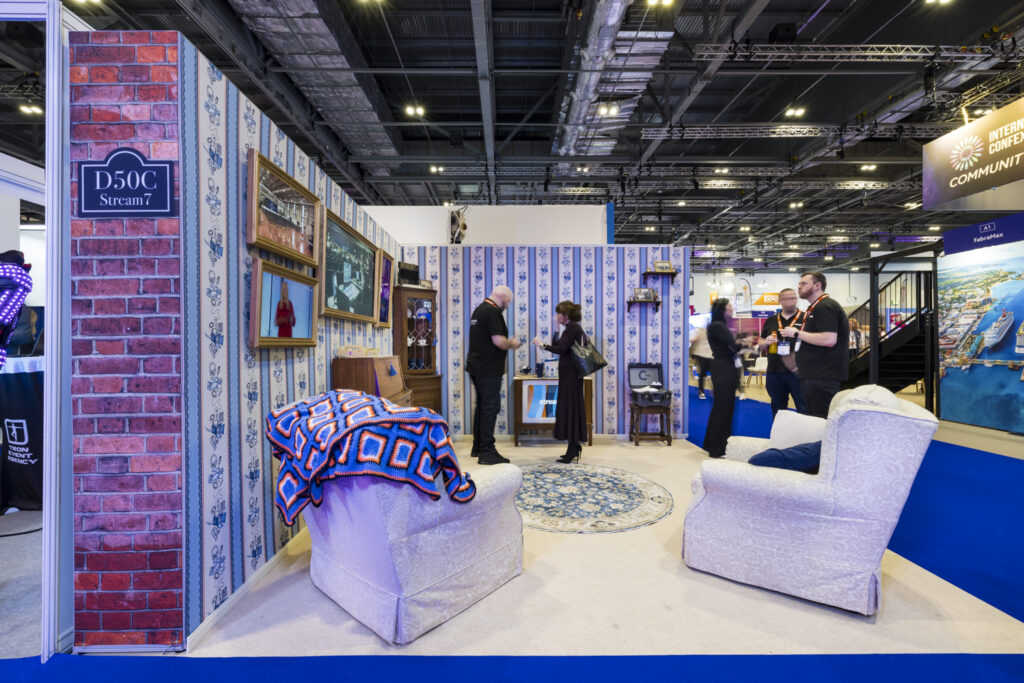
3. Design from an idea, not a shopping list
Hear us out here… We often see exhibition stand design being treated like a checklist:
“We need a screen. A counter. Some graphics. Maybe a coffee machine…”
That’s not a concept or a theme. It’s a collection of objects.
What we’re missing here from the design element is a single, clear idea, something that connects:
- Your brand
- Your audience
- Your objective
Everything else should build up to that idea.
If it doesn’t help you:
- Attract the right people
- Hold their attention
- Enable meaningful interaction
Then (brace yourself)… you probably don’t need it.
4. Turn attention into action (on the stand, not later)
Getting people to stop is only half the job.
If you’re asking for someone’s time, you need to offer something in return:
- A live demo
- An interactive experience
- A useful insight
- A fun activation to engage in (make it relevant)
- A compelling giveaway (that makes sense for your brand)
And here’s the important bit:
it has to be meaningfully connected to your brand.
A random gimmick might attract attention, you may even have a tonne of traffic and footfall and be the busiest stand at the show, but it won’t necessarily drive the right conversations.
Effective stand design should create a natural progression:
- Attract
- Engage
- Convert (in some form)
That conversion might be:
- Booking a meeting
- Starting a demo
- Agreeing next steps
But it should happen on the stand, not as a vague “we’ll follow up next week.”
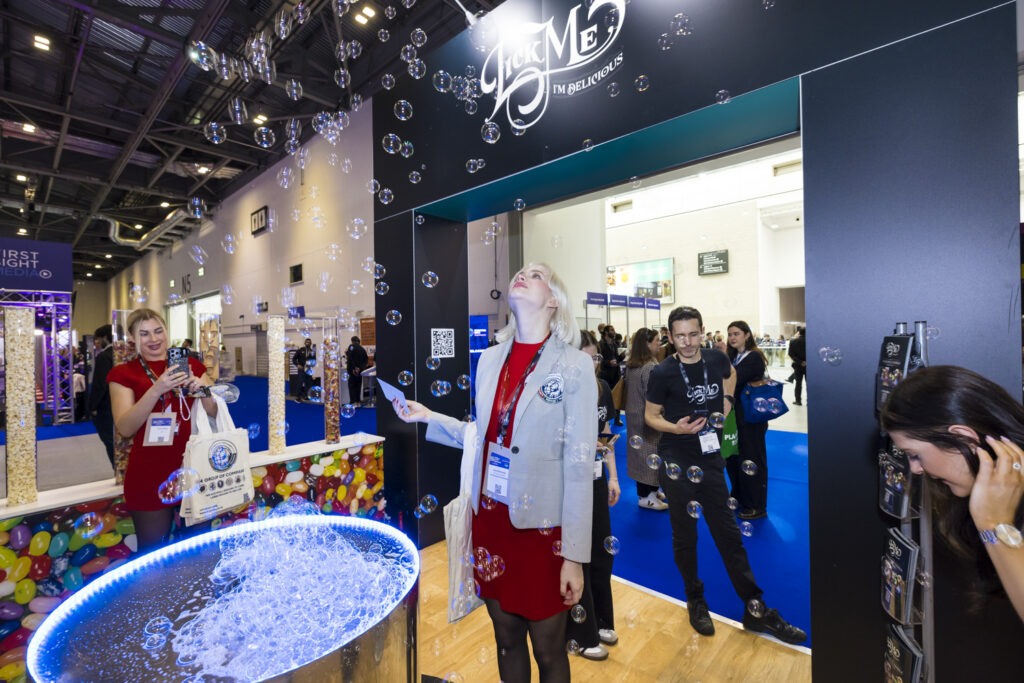
5. Design the space around behaviour (not just aesthetics)
Here’s where exhibition stand design requires a bit of architecture knowledge.
A stand isn’t just something people look at, you move through it, interact with it, behave in certain ways on it.
There are many ways to shape behaviour but it’s really important to consider what you’re trying to achieve:
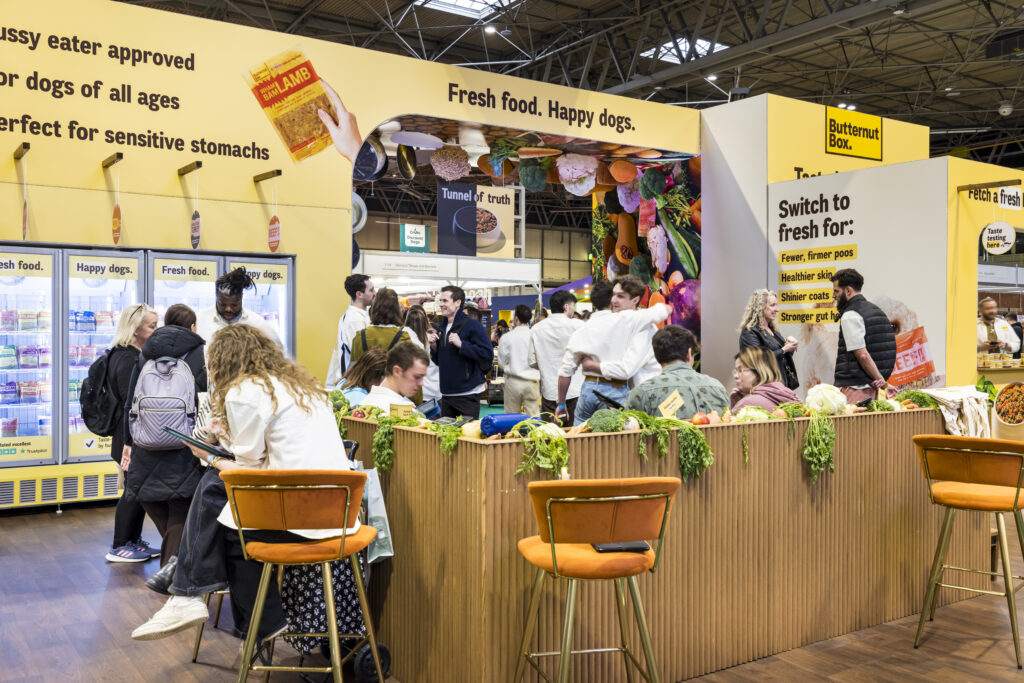
- Open, inviting layouts that draw people in
- Clear pathways that guide movement
- Defined zones for different types of interaction
- Want more meaningful conversations? → Create dedicated, semi-private meeting spaces
- Want more demos? → Build a clear, central demo area that is easy to access
- Want pre-orders? → Make that action visible and easy to complete
In other words, flow design follows function, and function follows your set objectives.
6. Make your brand physical (consistency builds trust)
Is this not what we’re doing? Yes and no. Brands don’t just exist digitally, they need to show up consistently in physical space and with liquid content becoming all the rage, we need to understand how that is being consumed across multiple platforms and formats, keeping a consistent brand message.
Think about how Apple translates its brand:
- Clean lines
- Precision detailing
- Consistent materials
- A unified visual language across products, stores, and interfaces
That same principle applies to exhibition stand design.
Ask yourself:
- How does our brand feel in physical form?
- What architectural language reflects your values?
- How do materials, textures, and structure reinforce identity?
When done well, this creates something powerful:
Even if visitors can’t articulate it, they feel they understand and recognise the brand, and that feeling builds credibility before a single word is spoken. If this isn’t aligned and the theme is too “out there” for the brand, then visitors can become confused and this can have a negative impact on your brand awareness.
7. Set measurable objectives (then design backwards)
“Brand awareness” is often cited as an exhibition goal, but what does that actually mean on the stand?
High-performing exhibition strategies define clear, measurable outcomes:
- Number of qualified conversations
- Meetings booked on-site
- Demos completed
- Pre-orders secured
Once you have those, you can design for them.
For example:
- Want 20 in-depth meetings? → You need enough private, comfortable meeting space
- Want 1,000 qualified leads? → You need efficient qualification and engagement flow
- Want pre-orders? → You need a clear, prominent conversion point
A simple test we use at Tecna:
“Does this element help us achieve our objective?”
If the answer is no, it shouldn’t be a design feature.
8. Invest in the right things
Even an exceptionally well designed stand won’t perform without the right supporting elements.
Think of your exhibition presence as a whole project, there are elements that aren’t necessarily part of the stand, but they need to be planned to make the stand effective:
- Impactful design → grabs attention
- Engaging technology or experience → holds it
- Well-trained team → converts it
The human element is critical and shouldn’t be overlooked.
A knowledgeable, confident team can transform any stand, and an unprepared team can easily undermine even the most impressive design. Ensure your team are trained and able to handle any kind of enquiry.
9. Build for today (but think about tomorrow)
Exhibition stands don’t have to be one-off builds. Smart brands looking at their full show calendar are increasingly balancing and integrating:
- Custom design → for strong, tailored brand expression
- Modular systems → for flexibility, scalability, and sustainability
This allows you to:
- Reuse structures across multiple events
- Adapt messaging for different audiences or regions
- Maintain consistency while evolving creatively
We’re always thinking about circular design principles to bring about sustainability, longevity and efficiency too.
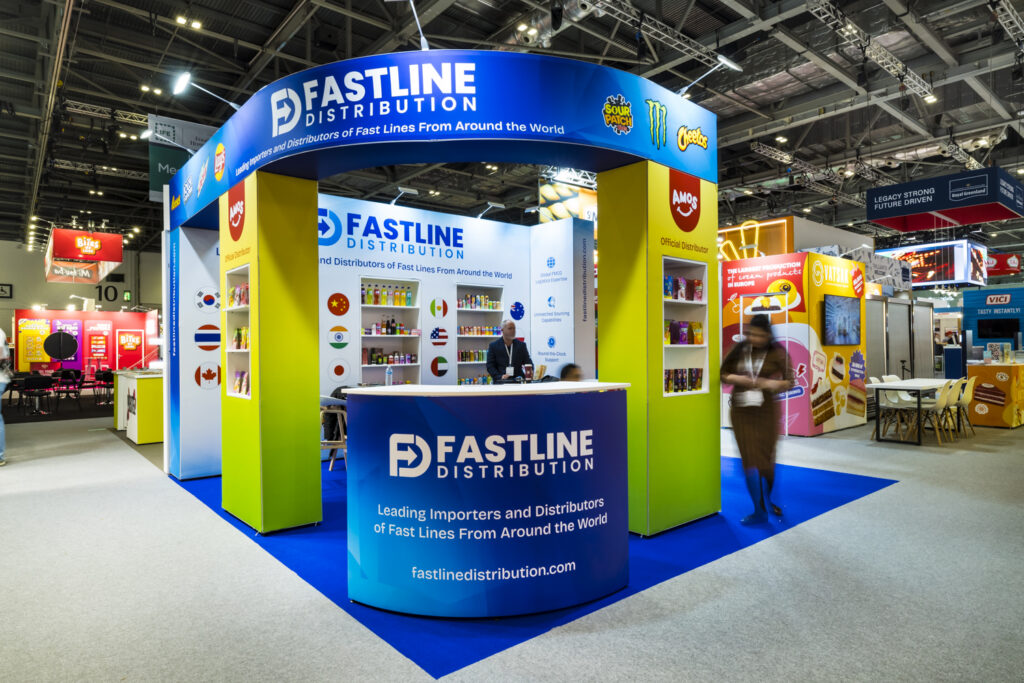
When people walk into an exhibition, they’re not just looking for products, they’re looking for:
- Ideas
- Experiences
- Solutions
- Conversations that feel worth their time
Your stand really exists to facilitate that. Shifting the view to what value you can provide your audience will transform your design and make the stand work for your outcomes and ROI.
So yes, make it look great.
But more importantly, make it work.
Learn more about our creative team headed up by Robert Andersen here