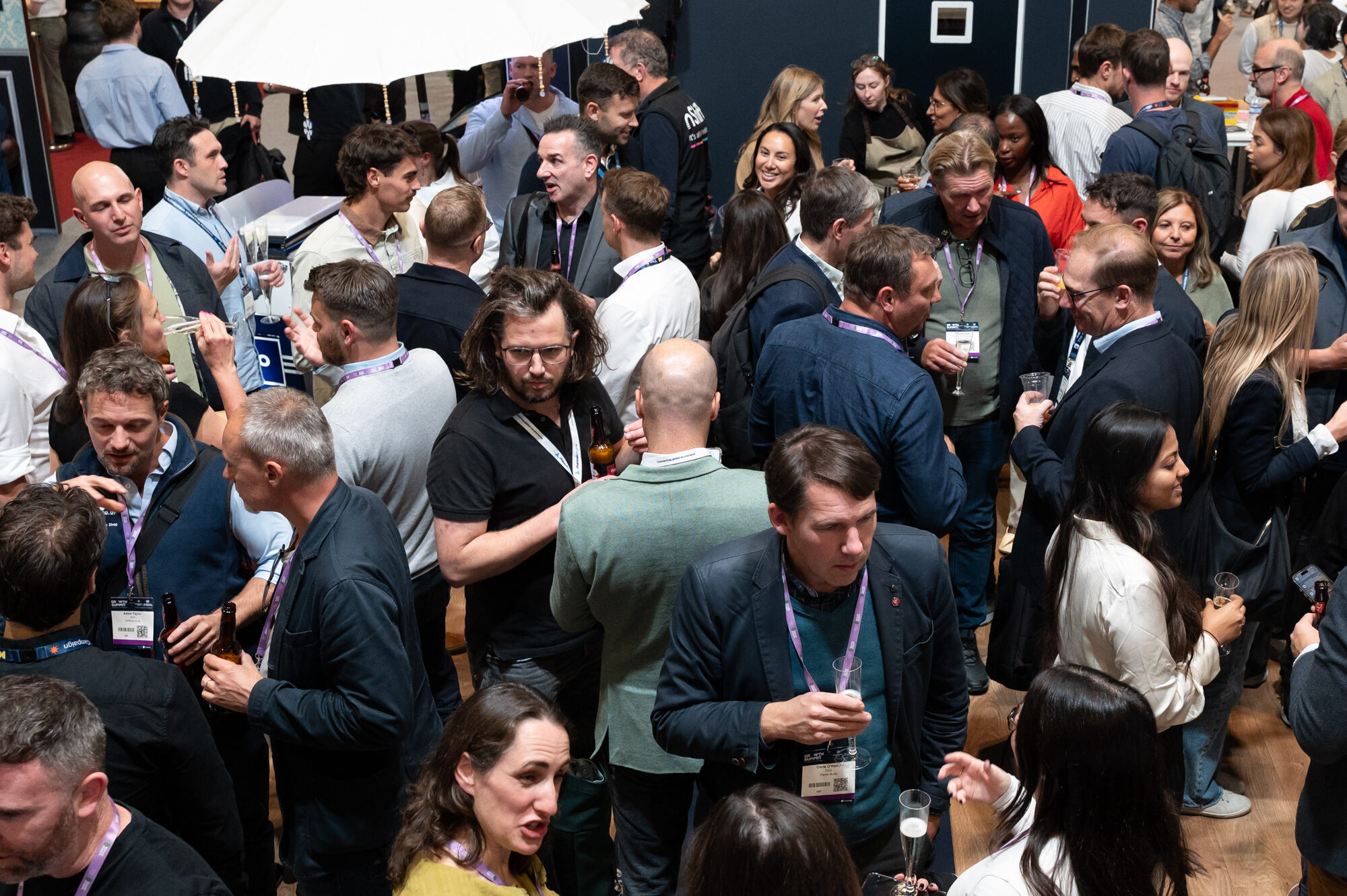
Staffing is one of the most under-planned aspects of exhibition preparation and one of the most consequential for commercial outcome. Too few people and the stand feels abandoned at busy periods, conversations get cut short, and leads are missed. Too many and the cost escalates, the stand feels crowded, and staff morale drops across a long day. The right number is specific to your stand size, show format, and objectives – and it is a number worth calculating deliberately.
The Core Staffing Formula
A workable starting point is one active staff member per eight to ten square metres of stand space, with a minimum of two people at all times. The ‘at all times’ element is important: people need breaks, and a stand with a single member of staff that is temporarily empty at a critical moment loses visitors it cannot recover. For a 30-square-metre stand, three to four people is typically right. For a 60-square-metre stand, five to seven.
These numbers assume your staff are all actively engaging visitors. If some of your team are in a back-office or meeting room function, they do not count towards the active floor number. If your stand includes a meeting space where conversations are conducted separately from the main floor, add one or two people specifically to manage that space.
The Role Mix Matters as Much as the Number
Staffing is not just a headcount question. The mix of roles on the stand determines what it can achieve. A stand staffed entirely by salespeople will be strong on closing conversations but may feel pushy to early-stage visitors. A stand staffed entirely by technical or product experts will have excellent depth conversations but may struggle with high-volume qualifying at peak times. The best-performing stands typically have a mix: one or two people whose primary job is attracting and qualifying visitors at the stand entrance, and one or two who handle deeper conversations and relationship development.
Senior presence on the stand also matters more than most teams acknowledge. A senior leader or founder who is visibly present on the stand – not for decoration, but for specific high-value conversations with identified target accounts – will have a disproportionate impact on the quality of the commercial relationships built at the show.
Managing Energy Across a Full Show Day
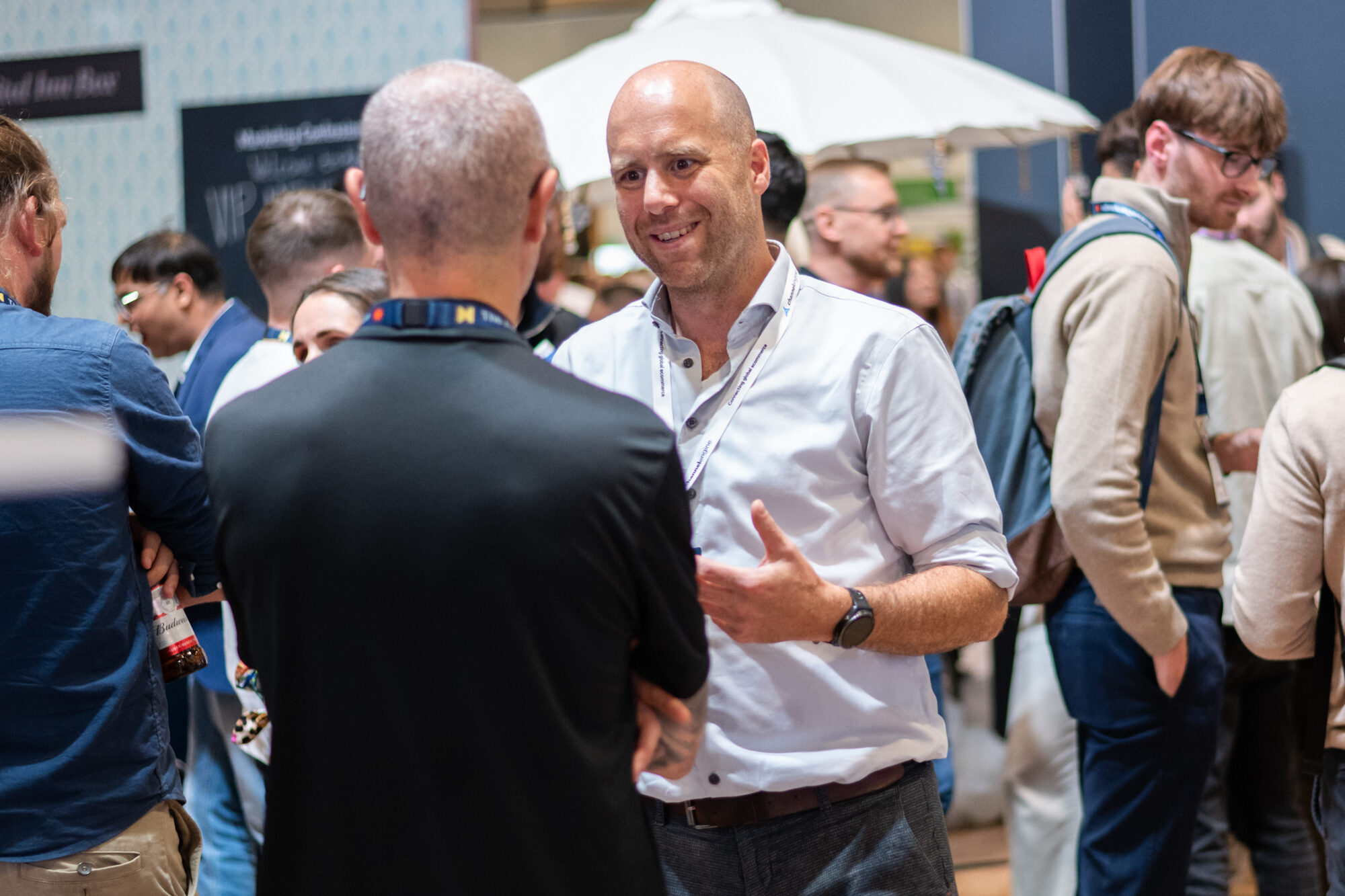
Exhibition stand work is physically and cognitively demanding in a way that is easy to underestimate. Standing for eight to ten hours, maintaining genuine enthusiasm and quality of conversation throughout, engaging constructively with dozens of strangers in succession – this is genuinely tiring, and quality of conversation drops measurably in the final two hours of a show day when staff are exhausted.
The operational solution is structured rotation. Plan explicit break schedules into the day. No one should be on their feet and actively engaging for more than 90 to 120 minutes without a meaningful break away from the stand. Staff who return refreshed have better conversations than staff who have been grinding through since the doors opened. This is not a soft wellbeing consideration; it is a commercial one.
Briefing Over Numbers
The most important investment in stand staffing is not the number of people but the quality of their preparation. A well-briefed team of three will significantly outperform a poorly-briefed team of six. The briefing should cover the specific objectives for the show; who the ideal visitor is and how to recognise them quickly; the two or three conversation openers that work; how to qualify interest efficiently; what the next step is for different types of conversation; and the data capture process. This briefing should happen before the show, not on the morning of day one.
Who Not to Bring
It is worth being explicit about who should not be on the stand. People who are not comfortable with high-volume stranger interaction, regardless of their seniority or technical expertise, will deliver a poor return on the investment their time represents. People who will spend significant time on their phones or laptops create a negative impression on the stand. People who are attending primarily to enjoy the show rather than deliver commercial outcomes should be in the audience, not on the floor.
Exhibition staffing should be treated with the same intentionality as any other commercial team deployment. The right people, in the right number, with the right preparation, make a stand perform. The wrong people, even in a beautifully designed environment, will underdeliver against every investment made around them.
At Tecna, we have over 20 years exhibition experience, alongside expert advice, we offer training for stand staff so every member of the team can be fully prepared for your next event.