Four on-site metrics that matter more than footfall at exhibitions
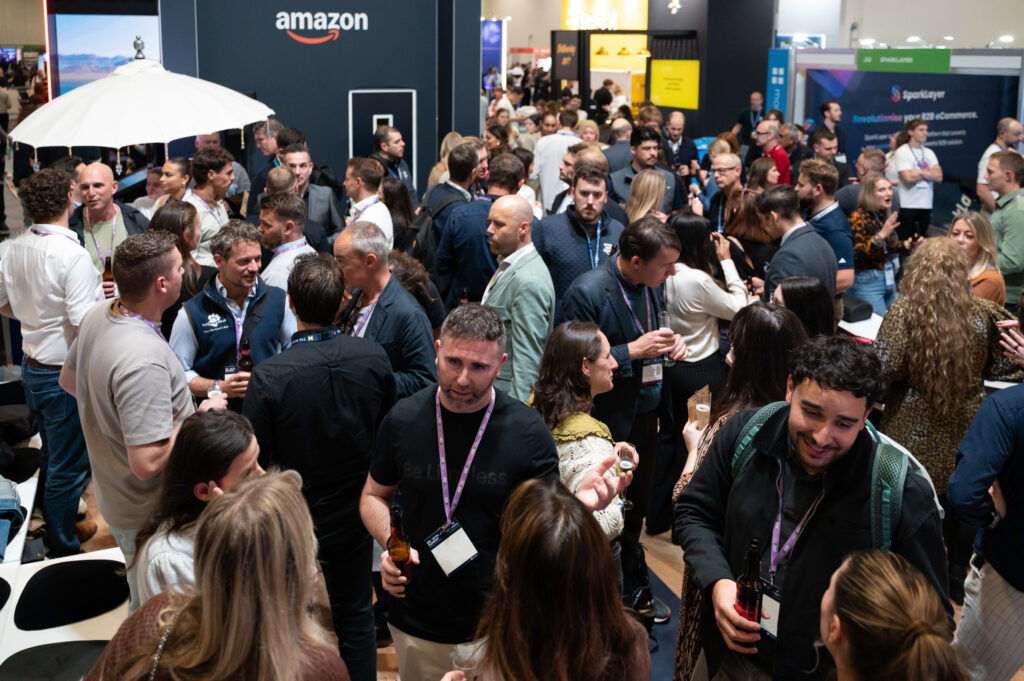
Footfall is often a key headline number in exhibition reporting. But after more than 20 years delivering exhibition stands, experiences, and measurable outcomes, we can say this with confidence: footfall is one of the least useful metrics on the show floor.
It’s easy to capture, easy to inflate, and crucially, almost impossible to tie directly to commercial impact.
2026 exhibition strategy demands something a little more rigorous, certainly more commercially aligned.
Below are four on-site metrics that matter far more in 2026, ranked deliberately (and a little provocatively) to challenge the status quo.
Dwell time and engagement depth
Let’s start with is easy to overlook: how long people actually stay.
Research across experiential marketing consistently shows that longer dwell times correlate with higher brand recall and stronger purchase intent. Put simply: people remember what they spend time with.
But dwell time alone isn’t enough, it’s about what happens during that time:
- Are visitors actively participating in a demo?
- Are they asking questions?
- Are they having so much fun on the activation they’re not actually paying attention to your brand and what you do?
A 30-second glance and a 7-minute conversation are not the same interaction. Yet footfall treats them as equal.
What we suggest doing differently? Aim to design your stand for progressive engagement:
- A hook that stops people (obvious)
- An experience that holds them (probably an activation but one linked to what you do)
- A conversation that deepens value (ensure there is this third step, and space to enable it)
The goal isn’t just to attract attention; you also want to engage people then extend the time they spend with you.
Live conversion actions
Now we’re thinking more commercially, rather than just generating interest and time on stand, we want to convert it on the spot.
We’re talking about:
- Meetings or demos booked there and then
- Consultations scheduled before the visitor moves on
- Clear, agreed next steps with a defined timeline
This aligns with broader sales objectives, as speed when following up dramatically increases conversion rates. By capturing intent in the moment, you remove friction, shorten the sales cycle, and prevent leads from going cold as you already have your next action planned.
Basically, why wait weeks to follow up when the buyer is standing right in front of you?
The stand doesn’t just need to be a just a brand showcase it can actively support your marketing and sales journey.
That means:
- Training teams to confidently move conversations forward (at the right time)
- Integrating booking tools and calendars on-site (removing friction)
- Designing spaces that support decision-making, not just browsing
This is all about convert interest when it’s at its peak.
Meaningful conversations
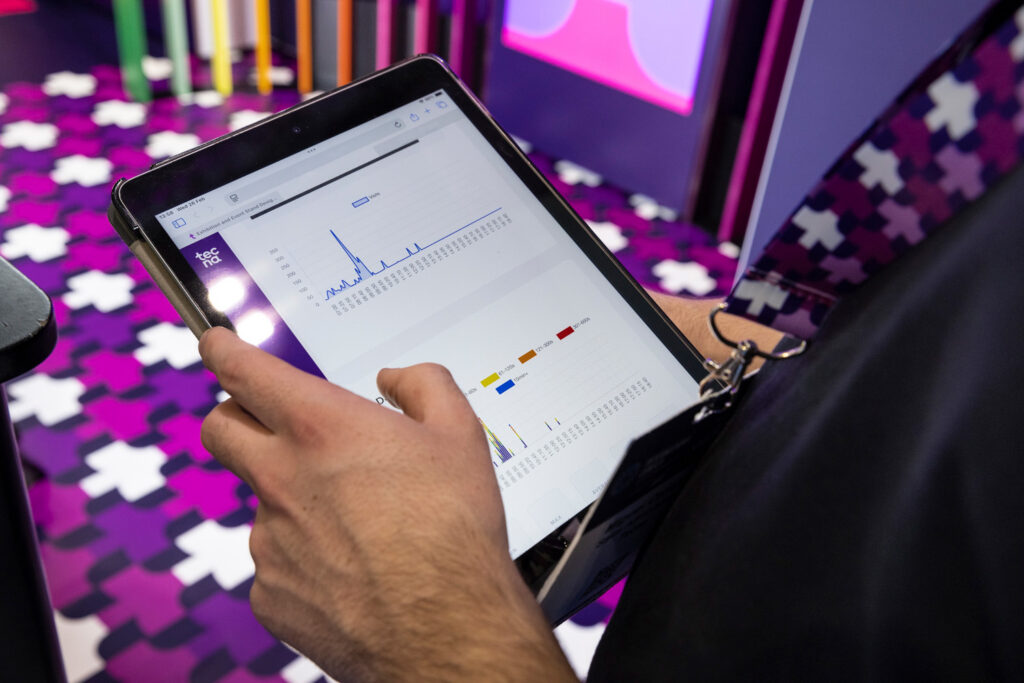
Not as wishy-washy as it sounds, honest. If there’s one metric we’d put above all others, it’s this.
Not leads/scans. Not “contacts captured.”
Meaningful conversations.
Defined simply as:
- A sustained interaction (typically 3–5+ minutes)
- With a relevant individual
- Where a genuine business need is uncovered
This reflects a broader shift in B2B marketing aiming for quality over quantity. Studies repeatedly show that smaller volumes of high-quality interactions outperform large volumes of low-intent leads when it comes to pipeline and revenue.
And yet, many exhibitors still optimise for volume, collecting hundreds of badge scans that never progress anywhere.
Prioritise:
- Fewer, deeper conversations
- Better initial qualification on the stand
- Teams who can listen, probe, and adapt in real time
Moving away from tonnes of polite exchanges, into the space where you’re learning more about a potential client can be so much more meaningful to your metrics.
ICP engagement rate
The metric that brings it all together.
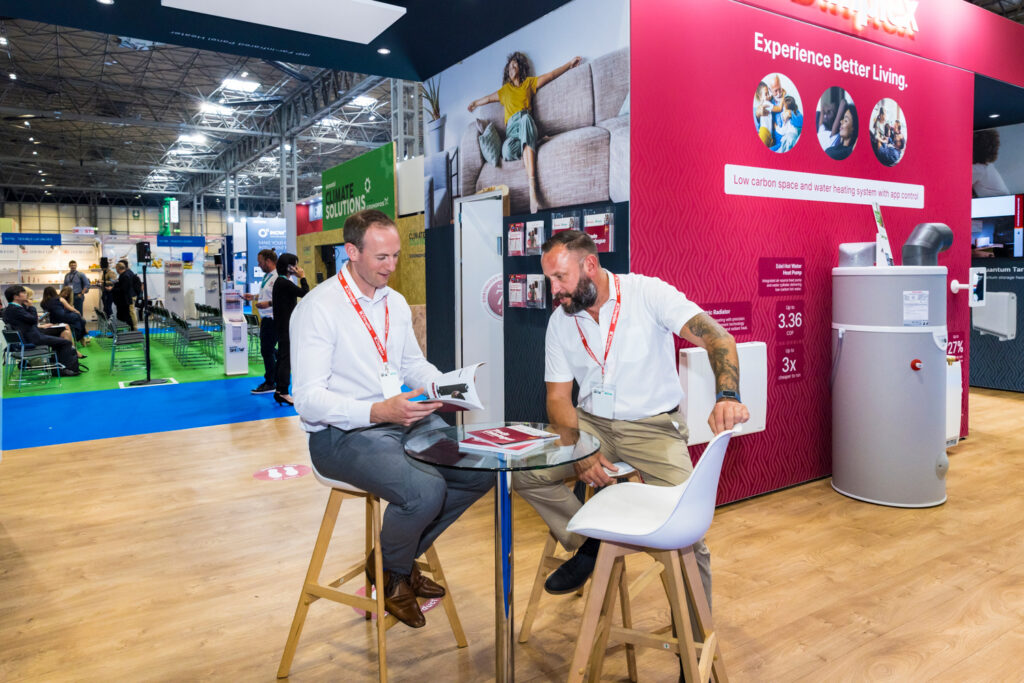
ICP (Ideal Customer Profile) engagement rate measures:
- How many of your interactions match your target audience?
- The proportion of decision-makers or senior influencers?
- Engagement with named accounts or priority prospects?
Precision marketing applied to shows can really help you excel in targeting the right customers, we’re seeing this in everything from account-based marketing (ABM) to advanced audience targeting.
In exhibitions, it can really signify the difference between:
- A busy stand full of the wrong people
- A quieter stand full of the right ones
By mapping this all out in advance you’re giving yourself the opportunity to create:
- Messaging tailored to specific roles and industries
- Pre-event targeting to drive the right traffic
- On-site qualification that filters quickly and effectively
Relevance is really the key here.
Don’t get us wrong, footfall isn’t useless, it can tells us about visibility, positioning, and general interest, but on its own it can look impressive whilst simultaneously masking underperformance.
In 2026 we’re seeing much more emphasis on engagement, intent and outcomes which is exactly what we’re designing for to ensure your success is based on metrics that matter.